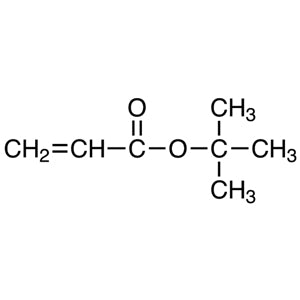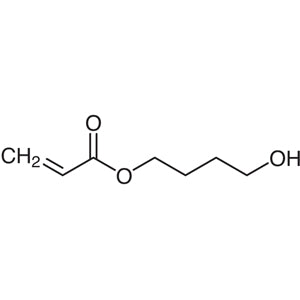
4-Hydroxybutyl Acrylate (stabilized with MEHQ) is a versatile chemical compound widely used in laboratory settings for polymer synthesis and composite material development. As a key building block in organic chemistry, it plays a crucial role in creating functional polymers and advanced materials. Its molecular structure enables efficient polymerization reactions, making it an essential monomer in the production of polyacrylates and other polymer-based products. This compound is frequently utilized in research and development processes where high reactivity and chemical compatibility are required.
The compound’s stability and reactivity make it a preferred choice for many applications. The inclusion of MEHQ as a stabilizer ensures that the material remains chemically stable during storage and use, preventing degradation that could affect performance. Its high reactivity allows it to participate in a wide range of chemical reactions, enhancing the efficiency of synthetic processes. Additionally, its compatibility with various chemical systems makes it suitable for use in diverse experimental setups. These properties contribute to its reliability and effectiveness in both academic and industrial research environments.
In Indonesian laboratories, 4-Hydroxybutyl Acrylate is commonly used in chemical, material science, and technology research. It is a go-to choice for researchers working on polymer synthesis, composite formulations, and material development. Its availability and performance make it a standard component in many laboratory workflows, supporting innovation and scientific advancement in the region.
TCI brochures (PDF)
- Biomaterials Research Reagents 2025-02-19 · p. 8
- Monomers 2025-05-28 · p. 3
Related TCI products
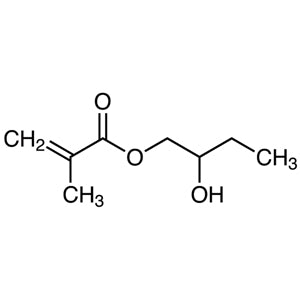
- TCI H1714 13159-51-8 2-Hydroxybutyl Methacrylate (mixture of isomers) (stabilized with MEHQ)
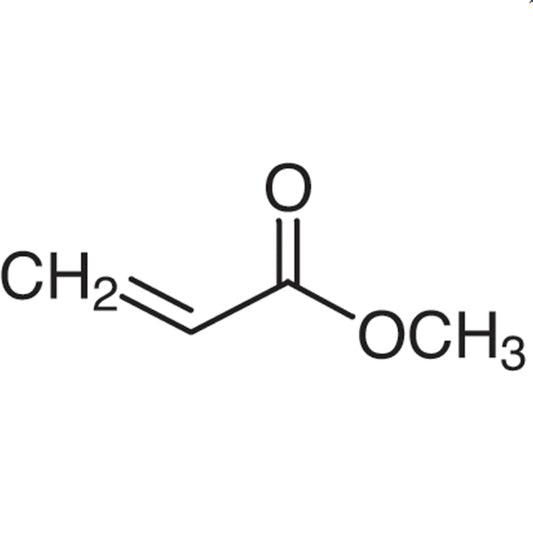
- TCI A0145 96-33-3 Methyl Acrylate (stabilized with MEHQ)
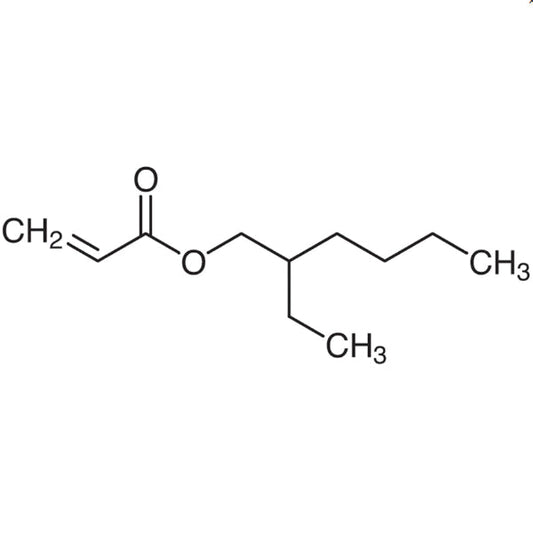
- TCI A0144 103-11-7 2-Ethylhexyl Acrylate Monomer (stabilized with MEHQ)
- TCI A0142 141-32-2 Butyl Acrylate (stabilized with MEHQ)
- TCI U0117 31098-20-1 3-Sulfopropyl Acrylate Potassium Salt
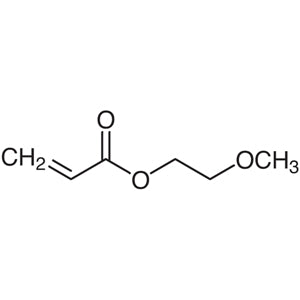
- TCI A1405 3121-61-7 2-Methoxyethyl Acrylate (stabilized with MEHQ)
- Polymer synthesis and composite material development due to its effective polymerization properties and compatibility with various chemical systems.
- Organic chemistry research for creating functional polymers and advanced materials through efficient chemical reactions.
- Material science studies where high reactivity and chemical stability are essential for developing new material formulations.
- Industrial and academic research applications requiring reliable and consistent chemical performance in controlled environments.
- Chemical synthesis processes that benefit from the compound’s ability to form strong chemical bonds with other components.
| Brand | TCI |
|---|---|
| CAS number | 2478-10-6 |
| Molecular formula | — |
| Purity | — |
| Category | Chemistry > Building Blocks > Non-Heterocyclic Building Blocks |
| Pack sizes | Available in standard laboratory quantities as per supplier specifications |
| Physical form | Liquid |
| Storage | Store in a cool, dry place away from light and incompatible substances |
This compound should be stored in a cool, dry place, away from direct sunlight and sources of heat. It is recommended to use sealed containers to prevent exposure to air and moisture, which could affect its stability. Proper ventilation is necessary when handling the material to minimize inhalation risks. Keep it away from incompatible substances such as strong oxidizing agents or acids. Always wear appropriate personal protective equipment, including gloves and safety goggles, when working with this chemical. Ensure that storage areas are well-ventilated and accessible only to authorized personnel to maintain safety standards in the laboratory.
—
Product Categories
Produk Terkait
-
2-HydroxybutylMethacrylate(mixtureofisomers)(stabilizedwithMEHQ) TCI H1714
Regular price Rp 743.400,00Regular priceRp 519.750,00Sale price Rp 743.400,00 -
MethylAcrylate(stabilizedwithMEHQ) TCI A0145
Regular price Rp 477.750,00Regular priceRp 333.900,00Sale price Rp 477.750,00 -
2-EthylhexylAcrylateMonomer(stabilizedwithMEHQ) TCI A0144
Regular price Rp 505.050,00Regular priceRp 352.800,00Sale price Rp 505.050,00 -
ButylAcrylate(stabilizedwithMEHQ) TCI A0142
Regular price Rp 505.050,00Regular priceRp 352.800,00Sale price Rp 505.050,00 -
3-SulfopropylAcrylatePotassiumSalt TCI U0117
Regular price Rp 1.565.550,00Regular priceRp 1.094.100,00Sale price Rp 1.565.550,00 -
2-MethoxyethylAcrylate(stabilizedwithMEHQ) TCI A1405
Regular price Rp 505.050,00Regular priceRp 352.800,00Sale price Rp 505.050,00 -
tert-ButylAcrylate(stabilizedwithMEHQ) TCI A1389
Regular price Rp 452.550,00Regular priceRp 316.050,00Sale price Rp 452.550,00 -
HydroxypropylAcrylate(mixtureof2-Hydroxypropyland2-Hydroxy-1-methylethylAcrylate)(stabilizedwithMEHQ) TCI A0744
Regular price Rp 477.750,00Regular priceRp 333.900,00Sale price Rp 477.750,00