2-Hydroxyethyl Acrylate (stabilized with MEHQ) is a versatile chemical compound widely used in various laboratory applications. It serves as a key building block in organic synthesis and polymer chemistry, enabling the creation of complex molecular structures. This compound is commonly employed as a monomer in the production of thermoplastic polymers, playing a crucial role in industrial and medical applications. Its chemical stability and reactivity make it an essential component in many synthetic processes, contributing to the development of advanced materials and functional compounds.
The stabilization with MEHQ (methyl ethyl glycol hydroquinone) significantly enhances its resistance to oxidation and degradation, ensuring a longer shelf life compared to unstabilized variants. This makes it a reliable choice for experiments requiring consistent performance over time. Its stable chemical and physical properties allow for predictable outcomes in laboratory settings, making it a preferred material for researchers seeking precision and reliability in their work. The compound’s compatibility with various reaction conditions further broadens its utility in both academic and industrial research environments.
In Indonesian laboratories, 2-Hydroxyethyl Acrylate is widely used in chemical research, material development, and composite production. Its availability in multiple packaging sizes makes it practical for both small-scale and mid-sized laboratory operations. The compound is particularly valuable for applications involving crosslinking reactions and polymer modification, supporting a wide range of scientific investigations and technological innovations.
TCI brochures (PDF)
- Biomaterials Research Reagents 2025-02-19 · p. 8
- Monomers 2025-05-28 · p. 3
Related TCI products
- TCI M0085 868-77-9 2-Hydroxyethyl Methacrylate (stabilized with MEHQ)
- TCI A0145 96-33-3 Methyl Acrylate (stabilized with MEHQ)
- TCI A0144 103-11-7 2-Ethylhexyl Acrylate Monomer (stabilized with MEHQ)
- TCI A0142 141-32-2 Butyl Acrylate (stabilized with MEHQ)
- TCI U0117 31098-20-1 3-Sulfopropyl Acrylate Potassium Salt
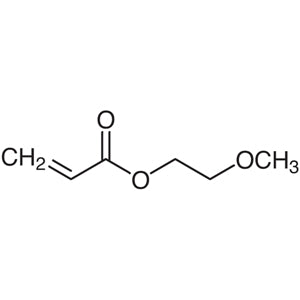
- TCI A1405 3121-61-7 2-Methoxyethyl Acrylate (stabilized with MEHQ)
- Polymer synthesis for thermoplastic production in industrial and medical applications due to its reactivity and stability.
- Organic molecule synthesis in crosslinking and modification reactions because of its functional groups and compatibility with various reagents.
- Material development in composite manufacturing where it serves as a key component in creating durable and functional materials.
- Chemical research in academic settings for its role in building blocks for complex molecular structures.
- Industrial applications in the production of coatings and adhesives due to its ability to form stable polymers under controlled conditions.
| Brand | TCI |
|---|---|
| CAS number | 818-61-1 |
| Molecular formula | — |
| Purity | — |
| Category | Chemistry > Building Blocks > Non-Heterocyclic Building Blocks |
| Pack sizes | Available in multiple sizes for laboratory use |
| Physical form | Liquid |
| Storage | Store in a cool, dark place away from heat and direct sunlight |
This compound should be stored in a cool, dark place away from heat and direct sunlight to maintain its stability and prolong its shelf life. It is recommended to use airtight containers to prevent exposure to moisture and air, which could affect its chemical integrity. Due to its potential reactivity, it should be handled in a well-ventilated area, and appropriate personal protective equipment should be worn when working with it. The compound is not flammable but should be kept away from strong oxidizing agents to avoid any unwanted reactions. Proper labeling and storage conditions are essential to ensure safety and effectiveness in laboratory environments.
—
Product Categories
- Polymer/Macromolecule ReagentsMonomersAcrylic Monomers
- Biomaterials/Biocompatible Materials Research ReagentsMonomers and Macromonomers [Biomaterials/Biocompatible Materials Research Reagents]Acrylic Monomers [Biomaterials/Biocompatible Materials Research Reagents]
- Biomaterials/Biocompatible Materials Research ReagentsMonomers and Macromonomers [Biomaterials/Biocompatible Materials Research Reagents]Double Network Gel (DN Gel) Synthesis Reagents
Produk Terkait
-
2-HydroxyethylMethacrylate(stabilizedwithMEHQ) TCI M0085
Regular price From Rp 505.050,00Regular priceRp 352.800,00Sale price From Rp 505.050,00 -
MethylAcrylate(stabilizedwithMEHQ) TCI A0145
Regular price From Rp 477.750,00Regular priceRp 333.900,00Sale price From Rp 477.750,00 -
2-EthylhexylAcrylateMonomer(stabilizedwithMEHQ) TCI A0144
Regular price From Rp 505.050,00Regular priceRp 352.800,00Sale price From Rp 505.050,00 -
ButylAcrylate(stabilizedwithMEHQ) TCI A0142
Regular price From Rp 505.050,00Regular priceRp 352.800,00Sale price From Rp 505.050,00 -
3-SulfopropylAcrylatePotassiumSalt TCI U0117
Regular price Rp 1.565.550,00Regular priceRp 1.094.100,00Sale price Rp 1.565.550,00 -
2-MethoxyethylAcrylate(stabilizedwithMEHQ) TCI A1405
Regular price From Rp 505.050,00Regular priceRp 352.800,00Sale price From Rp 505.050,00 -
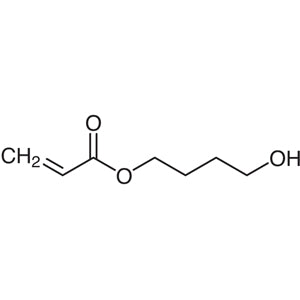
4-HydroxybutylAcrylate(stabilizedwithMEHQ) TCI A1390
Regular price From Rp 557.550,00Regular priceRp 389.550,00Sale price From Rp 557.550,00 -
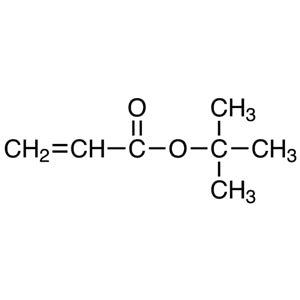
tert-ButylAcrylate(stabilizedwithMEHQ) TCI A1389
Regular price From Rp 452.550,00Regular priceRp 316.050,00Sale price From Rp 452.550,00