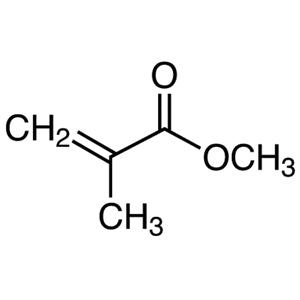
2-Hydroxyethyl Methacrylate (HEMA) is a key chemical compound widely used in polymerization reactions and the synthesis of organic compounds. As a building block in chemistry, it serves as a fundamental component in the creation of polymers, resins, and composite materials. In laboratory settings, HEMA is essential for developing polymers with elastic properties and environmental resistance. Its versatility makes it a valuable tool for researchers working on advanced material synthesis and functional group modification.
The stability and reactivity of HEMA make it a preferred choice for chemical experiments requiring high precision and reliability. The inclusion of MEHQ (methyl ethyl ketone peroxide) as a stabilizer ensures that the compound remains chemically stable during storage and use, preventing degradation. This stability allows for consistent results in polymer synthesis and functional group reactions. Its ability to react with various functional groups further enhances its applicability in diverse chemical processes.
In Indonesian laboratories, HEMA is extensively used in chemical research, pharmaceutical development, and the production of specialized materials. Its relevance spans across multiple industries, including optics, coatings, and medical applications. Researchers in Indonesia rely on HEMA for its predictable behavior and compatibility with a wide range of chemical processes, making it a staple in both academic and industrial settings.
TCI brochures (PDF)
- Cyclic Ketene Acetal (CKA) Monomer MDO 2025-09-30 · p. 1
- Acrylamide Monomer for the Synthesis of Polymer Having TMP Side-Chain 2025-03-18 · p. 1
- Dental Materials Research Reagents 2026-07-23 · p. 1
- Drug Delivery System (DDS) Research Reagents 2025-01-29 · p. 2
- Biomaterials Research Reagents 2025-02-19 · p. 9
- Monomers 2025-05-28 · p. 6
Related TCI products
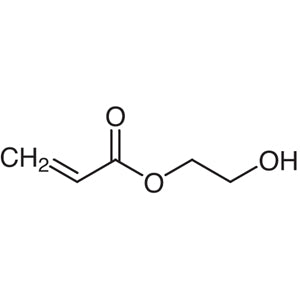
- TCI A0743 818-61-1 2-Hydroxyethyl Acrylate (stabilized with MEHQ)
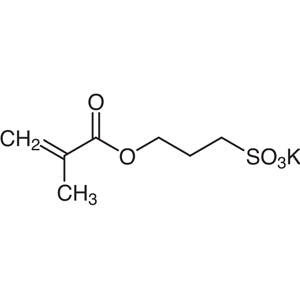
- TCI M1158 31098-21-2 3-Sulfopropyl Methacrylate Potassium Salt
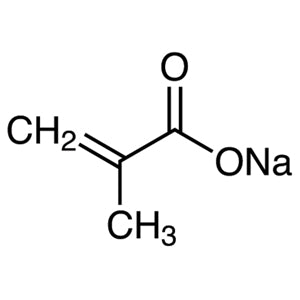
- TCI S0987 5536-61-8 Sodium Methacrylate (stabilized with MEHQ)
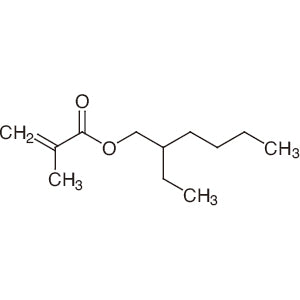
- TCI M0591 688-84-6 2-Ethylhexyl Methacrylate (stabilized with MEHQ)
- TCI M0512 27813-02-1 Hydroxypropyl Methacrylate (mixture of 2-Hydroxypropyl and 2-Hydroxy-1-methylethyl Methacrylate) (stabilized with MEHQ)
- TCI M0326 585-07-9 tert-Butyl Methacrylate Monomer (stabilized with MEHQ)
- Polymer synthesis and modification where high stability and reactivity are required.
- Development of medical devices and coatings that demand durable and biocompatible materials.
- Creation of optical materials such as lenses and contact lenses due to its optical clarity and elasticity.
- Formulation of adhesives and sealants that require strong bonding properties and environmental resistance.
- Research in organic chemistry for functional group reactions and compound synthesis.
From the TCI brochure
- Reactant in the scheme for development of biodegradable tissue adhesives applicable to wet tissues
| Brand | TCI |
|---|---|
| CAS number | 868-77-9 |
| Molecular formula | — |
| Purity | — |
| Category | Chemistry > Building Blocks > Non-Heterocyclic Building Blocks |
| Pack sizes | Available in various quantities as per standard laboratory requirements |
| Physical form | Liquid |
| Storage | Store in a cool, dry place away from direct sunlight and incompatible materials |
HEMA should be stored in a cool, dry environment, away from direct sunlight and sources of heat. It is recommended to use sealed containers made of materials compatible with organic solvents to prevent contamination and evaporation. Laboratory personnel should handle HEMA with appropriate personal protective equipment, including gloves and safety goggles, to avoid skin contact and inhalation. The compound should be kept away from strong oxidizers and incompatible substances to ensure safety. Regular inspection of storage conditions is advised to maintain the integrity and stability of the material over time.
—
Product Categories
- Polymer/Macromolecule ReagentsMonomersAcrylic Monomers
- Biomaterials/Biocompatible Materials Research ReagentsDental Materials Research Reagents
- Biomaterials/Biocompatible Materials Research ReagentsMonomers and Macromonomers [Biomaterials/Biocompatible Materials Research Reagents]Acrylic Monomers [Biomaterials/Biocompatible Materials Research Reagents]
- Biomaterials/Biocompatible Materials Research ReagentsMonomers and Macromonomers [Biomaterials/Biocompatible Materials Research Reagents]Double Network Gel (DN Gel) Synthesis Reagents
Produk Terkait
-
2-HydroxyethylAcrylate(stabilizedwithMEHQ) TCI A0743
Regular price From Rp 442.000,00Regular priceRp 301.000,00Sale price From Rp 442.000,00 -
3-SulfopropylMethacrylatePotassiumSalt TCI M1158
Regular price From Rp 1.842.000,00Regular priceRp 1.253.000,00Sale price From Rp 1.842.000,00 -
SodiumMethacrylate(stabilizedwithMEHQ) TCI S0987
Regular price From Rp 1.609.000,00Regular priceRp 1.095.000,00Sale price From Rp 1.609.000,00 -
2-EthylhexylMethacrylate(stabilizedwithMEHQ) TCI M0591
Regular price From Rp 494.000,00Regular priceRp 336.000,00Sale price From Rp 494.000,00 -
HydroxypropylMethacrylate(mixtureof2-Hydroxypropyland2-Hydroxy-1-methylethylMethacrylate)(stabilizedwithMEHQ) TCI M0512
Regular price From Rp 494.000,00Regular priceRp 336.000,00Sale price From Rp 494.000,00 -
tert-ButylMethacrylateMonomer(stabilizedwithMEHQ) TCI M0326
Regular price From Rp 494.000,00Regular priceRp 336.000,00Sale price From Rp 494.000,00 -
IsobutylMethacrylate(stabilizedwithHQ) TCI M0132
Regular price From Rp 468.000,00Regular priceRp 318.000,00Sale price From Rp 468.000,00 -
MethylMethacrylate(stabilizedwith6-tert-Butyl-2,4-xylenol) TCI M0087
Regular price From Rp 442.000,00Regular priceRp 301.000,00Sale price From Rp 442.000,00