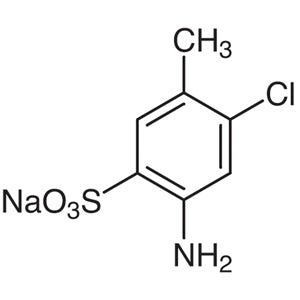
Sodium 2-Amino-4-chloro-5-methylbenzenesulfonate is a chemical compound widely used in organic synthesis reactions within laboratory settings. This compound serves as a key building block in the development of complex molecules, particularly those involving heterocyclic structures or carbon chains. Its versatility makes it a valuable resource for chemists working on a variety of synthetic pathways. Due to its chemical stability and controlled reactivity, it is frequently employed in research related to organic chemistry and pharmacology.
The compound's unique molecular structure, featuring both sulfonate and amino groups, contributes to its reactivity and functional versatility. These functional groups allow it to participate in various chemical reactions, including substitution, coupling, and reduction processes. Its solubility in organic solvents such as ethylamine and acetone further enhances its utility in laboratory applications. This combination of chemical properties and solubility makes it a preferred choice for researchers seeking reliable and effective reagents.
In Indonesian laboratories, Sodium 2-Amino-4-chloro-5-methylbenzenesulfonate is commonly used in both fundamental and applied chemical research. It plays a crucial role in the development of new compounds with potential applications in pharmaceuticals and materials science. Many research institutions and universities in Indonesia rely on this compound to advance their studies and innovations in the field of chemistry.
Related TCI products
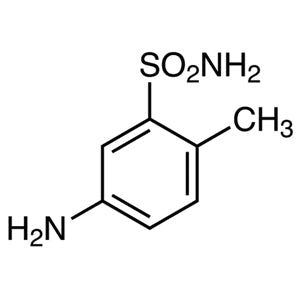
- TCI A2552 6973-09-7 5-Amino-2-methylbenzenesulfonamide
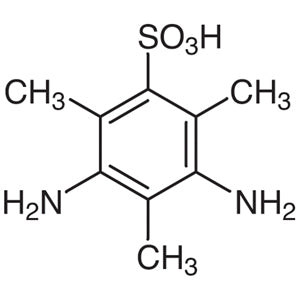
- TCI D2709 32432-55-6 3,5-Diamino-2,4,6-trimethylbenzenesulfonic Acid
- TCI M3506 77544-68-4 2-[2-(2-Hydroxyethoxy)ethoxy]ethyl 4-Methylbenzenesulfonate
- TCI M3122 62921-74-8 2-[2-(2-Methoxyethoxy)ethoxy]ethyl 4-Methylbenzenesulfonate
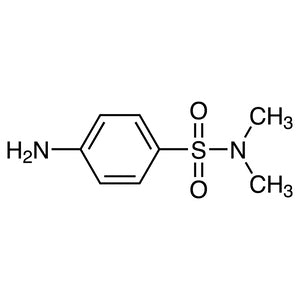
- TCI A3570 1709-59-7 4-Amino-N,N-dimethylbenzenesulfonamide
- TCI M1822 4760-34-3 N1-Methylbenzene-1,2-diamine
- Organic synthesis reactions benefit from its reactivity and structural versatility, enabling the creation of complex molecules.
- It is ideal for substitution reactions due to its stable sulfonate group and reactive amino functionality.
- Coupling reactions often utilize this compound as a key intermediate, facilitating the formation of new molecular frameworks.
- Reduction processes can be effectively carried out using this compound, thanks to its controlled reactivity and chemical stability.
- Pharmaceutical research leverages its structural features to develop new drug candidates with targeted biological activities.
| Brand | TCI |
|---|---|
| CAS number | 6627-59-4 |
| Molecular formula | — |
| Purity | — |
| Category | Chemistry > Building Blocks > Non-Heterocyclic Building Blocks |
| Pack sizes | Available in various quantities to meet different research needs |
| Physical form | Solid powder |
| Storage | Store in a cool, dry place away from moisture and direct sunlight |
This compound should be stored in a cool, dry environment to maintain its chemical stability and prevent degradation. It is recommended to use airtight containers to protect it from moisture and contaminants. Due to its potential reactivity, it should be handled in a well-ventilated area, and appropriate personal protective equipment should be worn. Avoid exposure to heat and direct sunlight to ensure long-term storage integrity. Regular checks of storage conditions are advised to maintain the compound's quality and usability in laboratory settings.
—
Produk Terkait
-
5-Amino-2-methylbenzenesulfonamide TCI A2552
Regular price Rp 822.150,00Regular priceRp 590.100,00Sale price Rp 822.150,00 -
3,5-Diamino-2,4,6-trimethylbenzenesulfonicAcid TCI D2709
Regular price Rp 1.378.650,00Regular priceRp 979.650,00Sale price Rp 1.378.650,00 -
2-[2-(2-Hydroxyethoxy)ethoxy]ethyl4-Methylbenzenesulfonate TCI M3506
Regular price Rp 5.300.400,00Regular priceRp 3.722.250,00Sale price Rp 5.300.400,00 -
2-[2-(2-Methoxyethoxy)ethoxy]ethyl4-Methylbenzenesulfonate TCI M3122
Regular price Rp 2.942.100,00Regular priceRp 2.072.700,00Sale price Rp 2.942.100,00 -
4-Amino-N,N-dimethylbenzenesulfonamide TCI A3570
Regular price Rp 2.411.850,00Regular priceRp 1.702.050,00Sale price Rp 2.411.850,00 -
N1-Methylbenzene-1,2-diamine TCI M1822
Regular price Rp 1.988.700,00Regular priceRp 1.390.200,00Sale price Rp 1.988.700,00 -
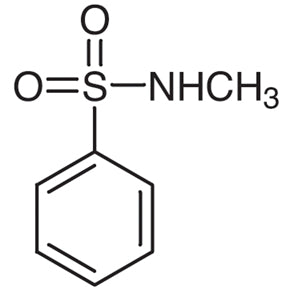
N-Methylbenzenesulfonamide TCI M0157
Regular price Rp 1.801.800,00Regular priceRp 1.275.750,00Sale price Rp 1.801.800,00 -
4-Ethylbenzenesulfonamide TCI E0773
Regular price Rp 822.150,00Regular priceRp 590.100,00Sale price Rp 822.150,00
![77544-68-4 2-[2-(2-Hydroxyethoxy)ethoxy]ethyl 4-Methylbenzenesulfonate - AMI Scientific](http://amiscientific.com/cdn/shop/files/TCI2510M3506.jpg?v=1767128334&width=533)
![62921-74-8 2-[2-(2-Methoxyethoxy)ethoxy]ethyl 4-Methylbenzenesulfonate - AMI Scientific](http://amiscientific.com/cdn/shop/files/TCI2510M3122.jpg?v=1767127774&width=533)