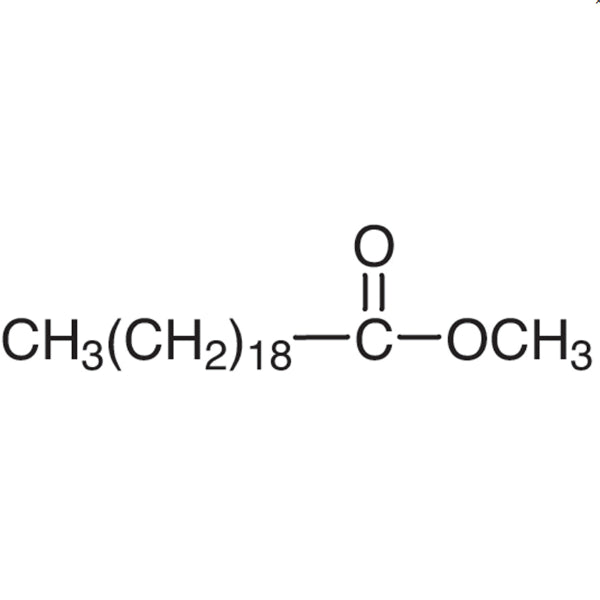
Methyl Arachidate is a chemical compound classified under the lipid category, commonly used in laboratory experiments related to biochemistry and biochemical research. As a derivative of arachidic acid, it plays a crucial role in the study of lipid metabolism and cellular function. Its molecular structure contributes to its utility in various biochemical processes, making it a valuable reagent for scientific investigations. This compound is widely utilized in both academic and industrial research settings due to its stability and reliability.
One of the key properties that make Methyl Arachidate a preferred choice is its chemical stability and resistance to degradation under normal laboratory conditions. It exhibits low solubility in water but dissolves well in organic solvents such as ethyl acetate and chloroform, which enhances its versatility in chemical reactions and analytical procedures. These characteristics ensure consistent performance and accurate results in experiments, making it a reliable component in laboratory workflows.
In Indonesian laboratories, Methyl Arachidate is frequently used in research focused on lipid metabolism, drug development, and the study of biological components. It is also employed in investigations related to lipid-associated diseases, such as heart disease and diabetes. Its unique chemical properties support a wide range of applications, contributing to the advancement of scientific knowledge in the region.
TCI brochures (PDF)
- Lipids 2025-12-17 · p. 9
Related TCI products
- Lipid Metabolism Studies - Methyl Arachidate is ideal for analyzing how lipids are processed in biological systems, aiding in understanding metabolic pathways and cellular functions.
- Drug Development Research - It serves as a building block for synthesizing compounds used in pharmaceutical research, supporting the creation of new therapeutic agents.
- Biochemical Reagent Testing - Its stable nature makes it suitable for use as a control in qualitative and quantitative assays, ensuring accurate experimental outcomes.
- Biological Component Analysis - It is used to study the composition and behavior of biological molecules, contributing to advancements in molecular biology and biochemistry.
- Disease-Related Research - Methyl Arachidate is employed in investigating lipid-related disorders, helping researchers explore potential treatments for conditions like diabetes and cardiovascular diseases.
| Brand | TCI |
|---|---|
| CAS number | 1120-28-1 |
| Molecular formula | — |
| Purity | — |
| Category | Life Science > Biochemicals and Reagents > Lipids |
| Pack sizes | Available in various quantities as per supplier specifications |
| Physical form | Solid at room temperature |
| Storage | Store in a cool, dry place away from direct light |
Methyl Arachidate should be stored in a cool, dry environment, away from direct sunlight and sources of heat. It is recommended to keep it in a sealed container to prevent moisture absorption and maintain its chemical integrity. Due to its low water solubility, it is best stored in glass or polyethylene containers to avoid contamination. In laboratory settings, it is important to handle the compound with care, using appropriate personal protective equipment such as gloves and safety goggles. Regular monitoring of storage conditions ensures the compound remains stable and suitable for use in experiments. Proper labeling and storage practices help maintain safety and prevent accidental exposure.
—
Product Categories
Produk Terkait
-
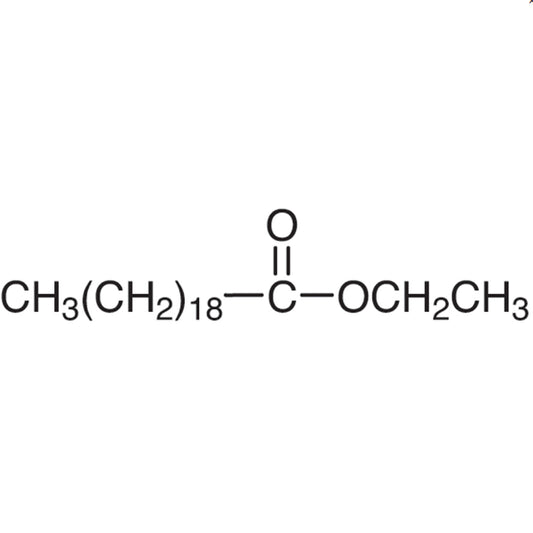
EthylArachidate TCI A0899
Regular price From Rp 3.763.200,00Regular priceRp 2.647.050,00Sale price From Rp 3.763.200,00