Allopurinol, with CAS number 315-30-0, is a widely used chemical compound in biochemical and pharmacological research. It plays a crucial role in laboratory settings by serving as an inhibitor of the enzyme xanthine oxidase. This property makes it essential for studying purine metabolism and the regulation of uric acid levels in the body. Allopurinol is commonly employed in experiments that explore the biochemical pathways involved in gout and other purine-related disorders. Its presence in research protocols highlights its importance in understanding enzyme function and metabolic processes.
Allopurinol is valued for its chemical stability under specific conditions and its solubility in organic solvents such as ethylamine. These characteristics make it a preferred choice for use in synthetic reactions and as a reagent in various chemical processes. Its ability to react with different substrates allows it to be utilized in the synthesis of other compounds, enhancing its versatility in laboratory applications. The combination of stability and reactivity ensures that Allopurinol remains a reliable component in scientific experiments requiring precision and consistency.
In Indonesian laboratories, Allopurinol is frequently used in pharmacological, biochemical, and health sciences research. It is a key material for studies involving purine metabolism, enzyme inhibition, and the development of therapeutic agents. Researchers in Indonesia rely on Allopurinol to conduct experiments that contribute to the understanding of metabolic diseases and the development of new treatment strategies.
TCI brochures (PDF)
- Nucleosides, Nucleotides, Nucleic Acids and Related Reagents 2026-03-23 · p. 9
- Antimicrobials and Antitumor Agents for Research and Experimental Use 2025-04-24 · p. 14
- Pharmaceutical Ingredients for Research and Experimental Use 2026-03-09 · p. 15
- Reagents for Biological Research 2025-03-11 · p. 44
- Purine Metabolism Studies: Allopurinol is used to investigate the metabolic pathways of purines and its role in regulating uric acid levels.
- Enzyme Inhibition Research: Its ability to inhibit xanthine oxidase makes it ideal for studying enzyme mechanisms and their impact on metabolic processes.
- Gout and Metabolic Disorder Research: Allopurinol is a critical tool for studying the biochemical basis of gout and other purine-related diseases.
- Synthetic Chemistry Applications: Its solubility and reactivity make it suitable for use in the synthesis of various chemical compounds and pharmaceuticals.
- Pharmacological Testing: Allopurinol is widely used in drug development and testing to evaluate its effects on enzyme activity and metabolic pathways.
| Brand | TCI |
|---|---|
| CAS number | 315-30-0 |
| Molecular formula | — |
| Purity | — |
| Category | Life Science > Biochemicals and Reagents > Nucleosides, Nucleotides, Oligonucleotides |
| Pack sizes | Available in various quantities as per standard laboratory requirements |
| Physical form | Solid (powder or crystalline, depending on formulation) |
| Storage | Store in a cool, dry place away from light and moisture |
Allopurinol should be stored in a cool, dry place, away from direct light and moisture to maintain its chemical stability. It is recommended to use airtight containers made of glass or polyethylene to prevent contamination and degradation. Handling should be done with appropriate personal protective equipment, such as gloves and safety goggles, to ensure safety in laboratory settings. Due to its reactivity with certain substrates, it should be stored separately from incompatible materials. Regular inspection of storage conditions is advised to ensure the integrity of the compound. Proper labeling and documentation of storage locations are essential for safe and efficient laboratory operations.
—
Product Categories
- Biochemicals and ReagentsNucleosides, Nucleotides, OligonucleotidesNucleobases and their Analogs
- Biochemicals and ReagentsPharmaceutical Research Reagents (for Experimental Use)Antitumor Research Reagents (for Experimental Use)
- Biochemicals and ReagentsPharmaceutical Research Reagents (for Experimental Use)Anti-inflammatory Ingredients (for Research and Experimental Use)
- Biochemicals and Reagents
- Cell BiologyCell Signaling and NeuroscienceOxidative Stress
- Pharmaceutical Development and Drug Discovery ResearchPharmaceutical Research Reagents (for Experimental Use)Antitumor Research Reagents (for Experimental Use)
- Pharmaceutical Development and Drug Discovery ResearchPharmaceutical Research Reagents (for Experimental Use)Anti-inflammatory Ingredients (for Research and Experimental Use)
Produk Terkait
-
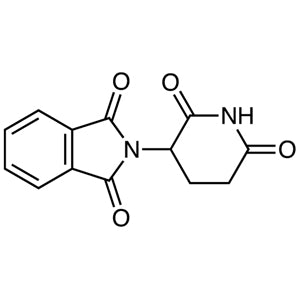
(+/-)-Thalidomide TCI T2524
Regular price From Rp 3.021.900,00Regular priceRp 2.128.350,00Sale price From Rp 3.021.900,00 -
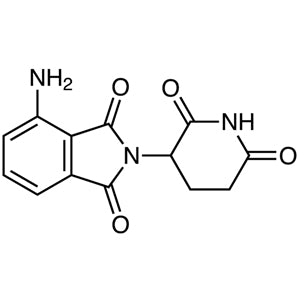
Pomalidomide TCI P2074
Regular price From Rp 4.399.500,00Regular priceRp 3.092.250,00Sale price From Rp 4.399.500,00 -
Imatinib TCI I0906
Regular price From Rp 1.378.650,00Regular priceRp 979.650,00Sale price From Rp 1.378.650,00 -
SunitinibMalate TCI U0095
Regular price Rp 3.074.400,00Regular priceRp 2.165.100,00Sale price Rp 3.074.400,00 -
Trifluorothymidine TCI T2511
Regular price From Rp 3.232.950,00Regular priceRp 2.276.400,00Sale price From Rp 3.232.950,00 -
AbirateroneAcetate TCI A2891
Regular price From Rp 4.081.350,00Regular priceRp 2.869.650,00Sale price From Rp 4.081.350,00 -
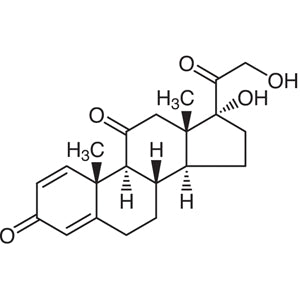
Prednisone TCI P1276
Regular price From Rp 1.643.250,00Regular priceRp 1.164.450,00Sale price From Rp 1.643.250,00 -
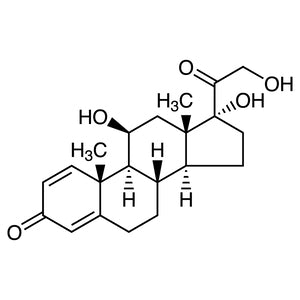
Prednisolone TCI P0637
Regular price From Rp 1.431.150,00Regular priceRp 1.016.400,00Sale price From Rp 1.431.150,00