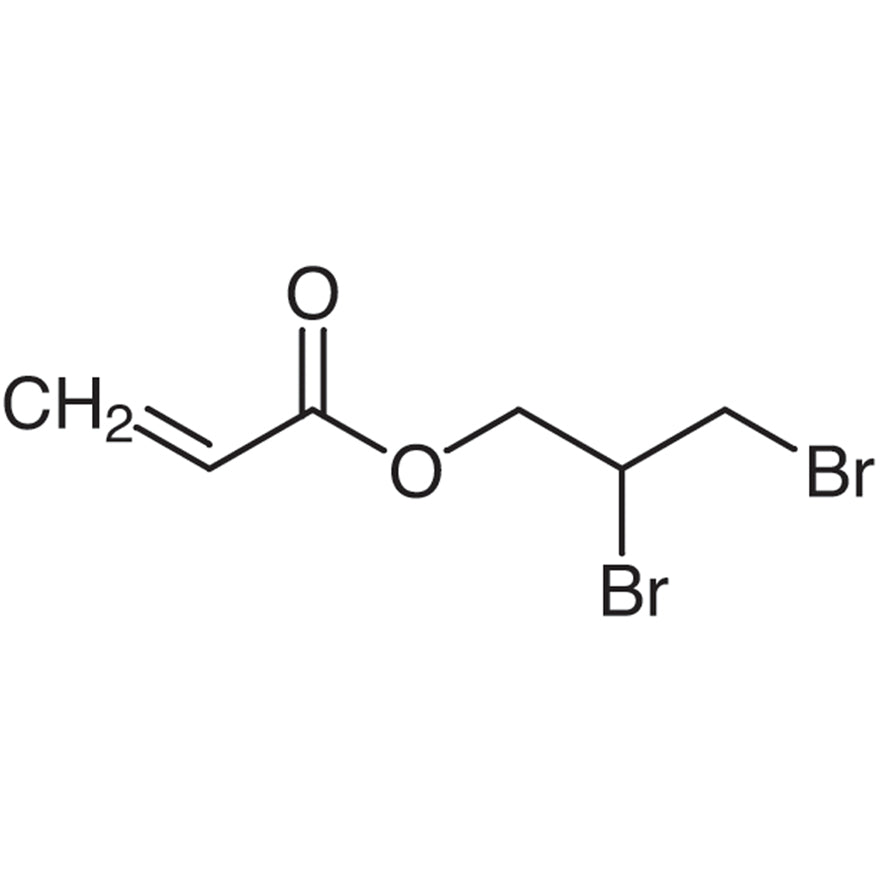
2,3-Dibromopropyl Acrylate is a chemical compound widely used in laboratory settings for its versatile applications in chemical experimentation and material science. As a monomer, it contains an acrylate group, which is essential for polymerization processes, enabling the formation of various polymers. This compound plays a crucial role in organic synthesis, particularly in polymerization and polymer modification reactions. Its reactivity makes it a valuable reagent in the development of composite materials and specialized chemical substances.
The compound's unique structure, featuring bromine atoms at the 2 and 3 positions of the propyl chain, contributes to its high reactivity. These bromine groups enhance its ability to participate in substitution and polymerization reactions, making it a preferred choice for chemists. Its liquid form and distinct odor also make it easy to handle and incorporate into experimental protocols. The chemical's reactivity and versatility support its use in a wide range of laboratory applications.
In Indonesian laboratories, 2,3-Dibromopropyl Acrylate is frequently utilized in material research, organic chemistry, and polymer technology. Its availability in liquid form and ease of use make it a popular choice for researchers working on polymer synthesis and modification. The compound's properties align well with the needs of modern chemical laboratories, supporting both academic and industrial research activities.
TCI brochures (PDF)
- Monomers 2025-05-28 · p. 3
Related TCI products
- TCI Z0069 14643-87-9 Zinc Acrylate
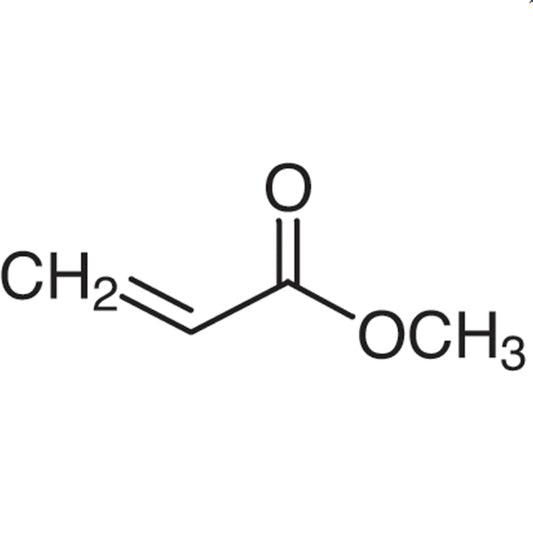
- TCI A0145 96-33-3 Methyl Acrylate (stabilized with MEHQ)
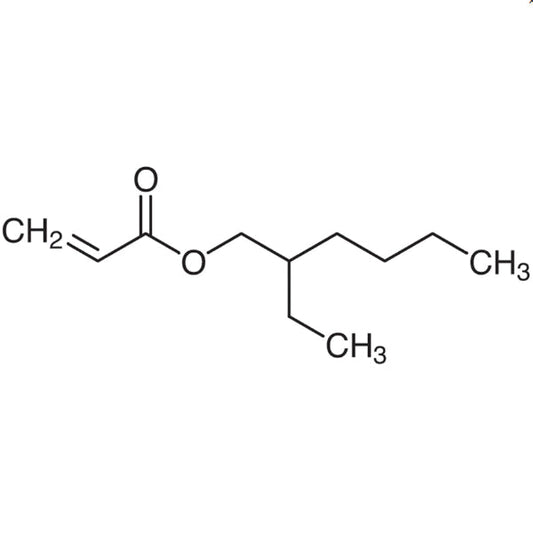
- TCI A0144 103-11-7 2-Ethylhexyl Acrylate Monomer (stabilized with MEHQ)
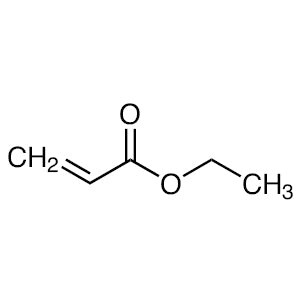
- TCI A0143 140-88-5 Ethyl Acrylate (stabilized with MEHQ)
- TCI A0142 141-32-2 Butyl Acrylate (stabilized with MEHQ)
- TCI U0117 31098-20-1 3-Sulfopropyl Acrylate Potassium Salt
- Polymer synthesis and modification due to its acrylate group and reactivity for cross-linking and chain extension.
- Organic chemistry research for substitution reactions and functional group transformations.
- Composite material development because of its ability to form reactive intermediates with other monomers.
- Specialty chemical production where brominated acrylates are required for specific functional properties.
- Material science experiments involving polymerization processes and polymer characterization techniques.
| Brand | TCI |
|---|---|
| CAS number | 19660-16-3 |
| Molecular formula | — |
| Purity | — |
| Category | Materials Science > Polymer/Macromolecule Reagents > Monomers |
| Pack sizes | Available in standard laboratory quantities |
| Physical form | Liquid |
| Storage | Store in a cool, dark place away from heat and direct sunlight |
2,3-Dibromopropyl Acrylate should be stored in a cool, dark location, away from heat and direct sunlight to maintain its chemical integrity. It is recommended to use sealed, airtight containers to prevent exposure to moisture and air, which can affect its stability. Due to its reactivity, it should be handled in a well-ventilated area, and appropriate personal protective equipment such as gloves and goggles should be worn. Avoid contact with skin and eyes, and ensure that spill containment measures are in place. The compound is flammable, so it should be kept away from open flames and potential ignition sources. Proper labeling and storage conditions are essential to ensure safe handling and long-term usability in laboratory environments.
—
Product Categories
Produk Terkait
-
ZincAcrylate TCI Z0069
Regular price Rp 769.650,00Regular priceRp 537.600,00Sale price Rp 769.650,00 -
MethylAcrylate(stabilizedwithMEHQ) TCI A0145
Regular price Rp 477.750,00Regular priceRp 333.900,00Sale price Rp 477.750,00 -
2-EthylhexylAcrylateMonomer(stabilizedwithMEHQ) TCI A0144
Regular price Rp 505.050,00Regular priceRp 352.800,00Sale price Rp 505.050,00 -
EthylAcrylate(stabilizedwithMEHQ) TCI A0143
Regular price Rp 477.750,00Regular priceRp 333.900,00Sale price Rp 477.750,00 -
ButylAcrylate(stabilizedwithMEHQ) TCI A0142
Regular price Rp 505.050,00Regular priceRp 352.800,00Sale price Rp 505.050,00 -
3-SulfopropylAcrylatePotassiumSalt TCI U0117
Regular price Rp 1.565.550,00Regular priceRp 1.094.100,00Sale price Rp 1.565.550,00 -
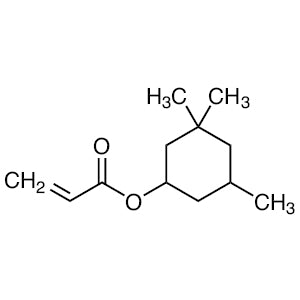
3,3,5-TrimethylcyclohexylAcrylate(cis-andtrans-mixture)(stabilizedwithMEHQ) TCI T3984
Regular price Rp 1.510.950,00Regular priceRp 1.056.300,00Sale price Rp 1.510.950,00 -
2,4,6-TribromophenylAcrylate TCI T3130
Regular price Rp 1.644.300,00Regular priceRp 1.149.750,00Sale price Rp 1.644.300,00