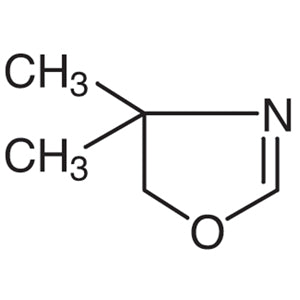
2-Amino-2-oxazoline Hydrochloride is a chemical compound widely used in organic synthesis reactions, particularly in the formation of heterocyclic compounds. This versatile reagent plays a crucial role in both academic and industrial research settings, serving as a foundational building block for the development of complex molecular structures. Its presence in the laboratory is essential for researchers aiming to explore new synthetic pathways and create compounds with unique chemical properties. Due to its reactivity and structural versatility, it is frequently employed in substitution and cyclization reactions, making it an indispensable tool for chemists working in diverse fields.
The compound is characterized by its complex chemical structure and its ability to participate in a wide range of chemical reactions. It exhibits good solubility in organic solvents, which facilitates its use in purification and reaction processes. This solubility, combined with its stability under controlled conditions, makes it a preferred choice for synthetic chemists. Its reactivity allows for the formation of various functional groups, enhancing its utility in the development of pharmaceuticals and specialty chemicals. These properties ensure its consistent performance in laboratory applications.
In Indonesian laboratories, 2-Amino-2-oxazoline Hydrochloride is commonly used in pure chemical research, drug development, and organic synthesis. Its reliability and effectiveness make it a top choice for researchers requiring high-quality reagents. Its availability in various packaging options further supports its use in both small-scale and larger research projects. This compound is a key component in advancing chemical innovation in the region.
- Organic synthesis reactions benefit from this compound’s ability to form heterocyclic structures, making it ideal for creating complex molecular frameworks.
- Drug development projects utilize it as a building block for synthesizing pharmaceutical compounds with specific biological activities.
- Heterocyclic compound research relies on its reactivity and structural versatility to explore new chemical pathways and functional group modifications.
- Industrial chemical production uses it for the synthesis of specialty chemicals with tailored properties and applications.
- Analytical chemistry applications take advantage of its solubility and stability for use in purification and reaction processes.
| Brand | TCI |
|---|---|
| CAS number | 375855-07-5 |
| Molecular formula | — |
| Purity | — |
| Category | Chemistry > Building Blocks > Heterocyclic Building Blocks |
| Pack sizes | Available in various packaging options to suit different laboratory needs |
| Physical form | Solid (as per standard chemical reagent form) |
| Storage | Store in a cool, dry place away from moisture and direct sunlight |
This compound should be stored in a cool, dry environment to maintain its stability and prevent degradation. It is recommended to use airtight containers to protect it from moisture and humidity, which can affect its chemical integrity. Due to its reactivity, it should be handled with care in a well-ventilated area, following standard laboratory safety protocols. Avoid exposure to incompatible substances and ensure proper personal protective equipment is worn when handling. Regular monitoring of storage conditions is advised to ensure optimal performance and safety in the laboratory setting.
—
Produk Terkait
-
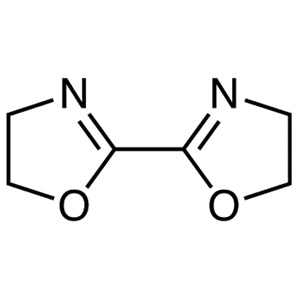
2,2'-Bis(2-oxazoline) TCI B1226
Regular price From Rp 2.835.000,00Regular priceRp 1.998.150,00Sale price From Rp 2.835.000,00 -
2,4,4-Trimethyl-2-oxazoline TCI T1060
Regular price Rp 2.518.950,00Regular priceRp 1.776.600,00Sale price Rp 2.518.950,00 -
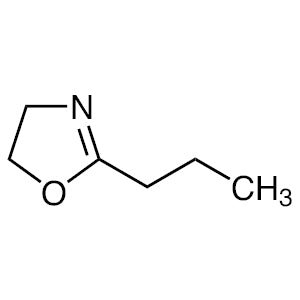
2-Propyl-2-oxazoline TCI P1739
Regular price From Rp 1.378.650,00Regular priceRp 979.650,00Sale price From Rp 1.378.650,00 -
2-Methyl-2-oxazoline TCI M0857
Regular price From Rp 1.220.100,00Regular priceRp 868.350,00Sale price From Rp 1.220.100,00 -
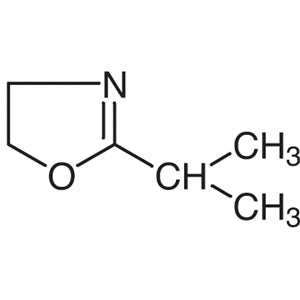
2-Isopropyl-2-oxazoline TCI I0642
Regular price Rp 3.498.600,00Regular priceRp 2.462.250,00Sale price Rp 3.498.600,00 -
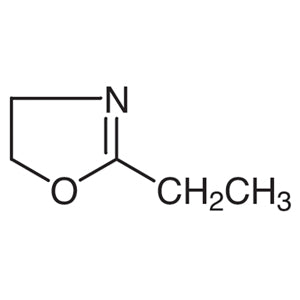
2-Ethyl-2-oxazoline TCI E0373
Regular price From Rp 742.350,00Regular priceRp 534.450,00Sale price From Rp 742.350,00 -
4,4-Dimethyl-2-oxazoline TCI D2742
Regular price Rp 1.776.600,00Regular priceRp 1.257.900,00Sale price Rp 1.776.600,00 -
2,2'-Bis[(4S)-4-benzyl-2-oxazoline] TCI B6639
Regular price From Rp 2.121.000,00Regular priceRp 1.498.350,00Sale price From Rp 2.121.000,00