4-Amidinobenzamide Hydrochloride is a chemical compound widely used in laboratory settings, particularly in organic synthesis reactions. As a key building block, it plays a vital role in the development of new compounds and molecular modifications. This compound is commonly employed in reactions that require the amidine functional group, making it a versatile reagent in synthetic chemistry. Its presence in various chemical processes highlights its importance in both academic and industrial research environments.
The compound's properties make it a preferred choice for chemists. Being a hydrochloride salt, it exhibits good solubility in both organic solvents and water, which enhances its usability across a range of experimental conditions. Its chemical stability allows it to participate efficiently in functional group transformations and bond formation reactions. Additionally, its salt form facilitates easier handling and integration into complex reaction systems, ensuring reliable performance in laboratory protocols.
In Indonesian laboratories, 4-Amidinobenzamide Hydrochloride is a critical component in the synthesis of various organic compounds. It is frequently used in research and development projects aimed at creating new materials or pharmaceutical intermediates. Its availability and chemical properties make it a go-to reagent for chemists working on diverse synthetic pathways. The compound's role in supporting scientific innovation underscores its significance in the Indonesian chemical research community.
- Organic synthesis reactions where amidine functionality is required for compound modification and structural changes.
- Development of pharmaceutical intermediates and new chemical entities through functional group transformations.
- Research projects involving the creation of novel materials and advanced chemical compounds.
- Analytical chemistry applications requiring stable and reactive building blocks for compound characterization.
- Educational and training purposes in chemistry laboratories for teaching synthetic techniques and reaction mechanisms.
| Brand | TCI |
|---|---|
| CAS number | 59855-11-7 |
| Molecular formula | — |
| Purity | — |
| Category | Chemistry > Building Blocks > Non-Heterocyclic Building Blocks |
| Pack sizes | Available in various quantities as per standard laboratory supply |
| Physical form | Solid powder |
| Storage | Store in a cool, dry place away from moisture and direct sunlight |
This compound should be stored in a cool, dry environment to maintain its chemical integrity. It is recommended to use airtight containers to prevent moisture absorption and ensure long-term stability. Due to its hydrochloride salt form, it is sensitive to humidity and should be kept in a controlled environment. Proper labeling and storage conditions are essential to avoid cross-contamination. Laboratory personnel should handle the compound with care, using appropriate personal protective equipment. Regular monitoring of storage conditions ensures the compound remains effective for its intended applications.
—
Produk Terkait
-
2-Aminobenzamide TCI A0262
Regular price From Rp 1.510.950,00Regular priceRp 1.072.050,00Sale price From Rp 1.510.950,00 -
4-Aminobenzamide TCI A0631
Regular price From Rp 1.008.000,00Regular priceRp 720.300,00Sale price From Rp 1.008.000,00 -
3-Aminobenzamide TCI A0630
Regular price From Rp 2.702.700,00Regular priceRp 1.905.750,00Sale price From Rp 2.702.700,00 -
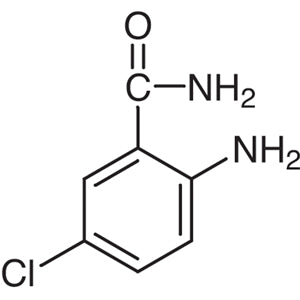
2-Amino-5-chlorobenzamide TCI A1970
Regular price From Rp 717.150,00Regular priceRp 516.600,00Sale price From Rp 717.150,00 -
3,4-Dichlorobenzamide TCI D4474
Regular price From Rp 1.272.600,00Regular priceRp 905.100,00Sale price From Rp 1.272.600,00 -
2,4-Dichlorobenzamide TCI D2867
Regular price Rp 1.563.450,00Regular priceRp 1.108.800,00Sale price Rp 1.563.450,00 -
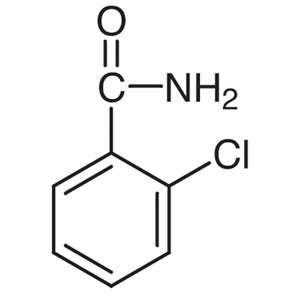
2-Chlorobenzamide TCI C0564
Regular price Rp 3.285.450,00Regular priceRp 2.313.150,00Sale price Rp 3.285.450,00 -
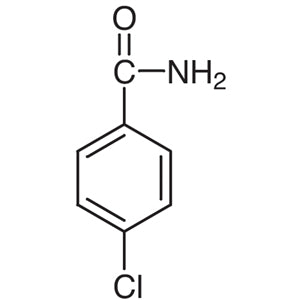
4-Chlorobenzamide TCI C0563
Regular price From Rp 1.934.100,00Regular priceRp 1.368.150,00Sale price From Rp 1.934.100,00