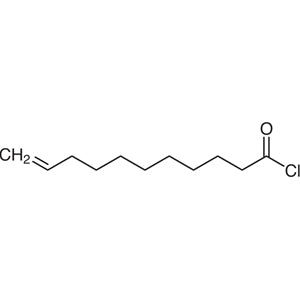
2-Acetoxyisobutyryl Chloride is a chemical compound widely used as a building block in the synthesis of complex organic compounds. It plays a crucial role in laboratory settings where researchers aim to create functionalized molecules through substitution and other chemical reactions. Its versatile structure allows it to participate in various synthetic pathways, making it an essential reagent for organic chemists. This compound is particularly valuable in the development of pharmaceuticals, polymers, and industrial chemicals due to its reactivity and compatibility with a range of reaction conditions.
The compound's high purity and chemical stability make it a preferred choice for laboratory applications requiring precision and accuracy. Its excellent solubility in organic solvents enhances its usability in a wide array of chemical reactions, enabling efficient synthesis processes. Additionally, its reactivity allows for the formation of diverse functional groups, which is vital in the design of new compounds with specific properties. These characteristics ensure that it remains a reliable and consistent material for use in both academic and industrial research environments.
In Indonesian laboratories, 2-Acetoxyisobutyryl Chloride is commonly used by researchers and educational institutions for research and development purposes. Its availability in the local market supports the needs of scientists working in organic chemistry, pharmacology, and material science. The compound's relevance in these fields ensures its continued use in both teaching and applied research settings across Indonesia.
- Organic Synthesis: This compound is ideal for creating complex organic molecules due to its reactivity and ability to undergo substitution reactions.
- Pharmaceutical Development: It is used in the synthesis of drug compounds, offering a reliable building block for functional group introduction.
- Polymer Chemistry: Its structure allows for the formation of polymer chains, making it useful in the development of new materials.
- Industrial Chemistry: It serves as a key reagent in the production of various chemical products due to its solubility and reactivity.
- Research and Education: Widely used in academic settings for teaching and experimental purposes, supporting both theoretical and practical learning.
| Brand | TCI |
|---|---|
| CAS number | 40635-66-3 |
| Molecular formula | — |
| Purity | — |
| Category | Chemistry > Building Blocks > Non-Heterocyclic Building Blocks |
| Pack sizes | Available in various quantities as per standard laboratory requirements |
| Physical form | Liquid |
| Storage | Store in a cool, dry place away from light and incompatible materials |
This compound should be stored in a cool, dry environment, away from direct sunlight and sources of heat. It is recommended to keep it in a sealed container to prevent exposure to moisture and air. Due to its reactivity, it should be handled in a well-ventilated area, preferably under a fume hood, to minimize inhalation risks. Avoid contact with incompatible substances such as strong bases or reactive metals. Always use appropriate personal protective equipment, including gloves and safety goggles, when handling this material. Proper storage and handling ensure the compound remains stable and safe for use in laboratory applications.
—
Produk Terkait
-
IsobutyrylChloride TCI I0115
Regular price From Rp 822.150,00Regular priceRp 590.100,00Sale price From Rp 822.150,00 -
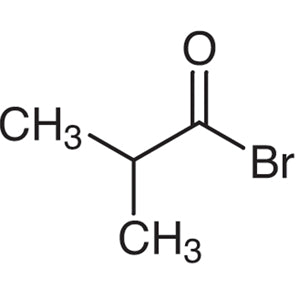
IsobutyrylBromide TCI I0114
Regular price From Rp 1.856.400,00Regular priceRp 1.313.550,00Sale price From Rp 1.856.400,00 -
Anthraquinone-2-carbonylChloride TCI A0503
Regular price From Rp 3.232.950,00Regular priceRp 2.276.400,00Sale price From Rp 3.232.950,00 -
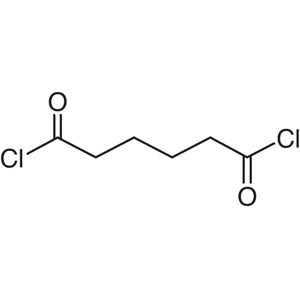
AdipoylChloride TCI A0169
Regular price From Rp 1.272.600,00Regular priceRp 905.100,00Sale price From Rp 1.272.600,00 -
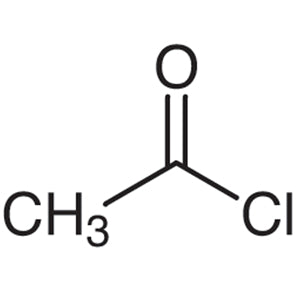
AcetylChloride TCI A0082
Regular price From Rp 848.400,00Regular priceRp 609.000,00Sale price From Rp 848.400,00 -
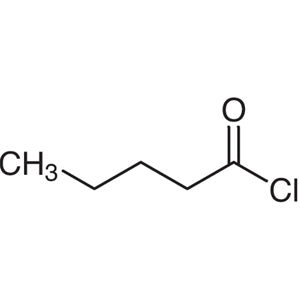
ValerylChloride TCI V0010
Regular price From Rp 1.008.000,00Regular priceRp 720.300,00Sale price From Rp 1.008.000,00 -
UndecanoylChloride TCI U0026
Regular price From Rp 1.590.750,00Regular priceRp 1.127.700,00Sale price From Rp 1.590.750,00 -
10-UndecenoylChloride TCI U0008
Regular price From Rp 1.405.950,00Regular priceRp 998.550,00Sale price From Rp 1.405.950,00