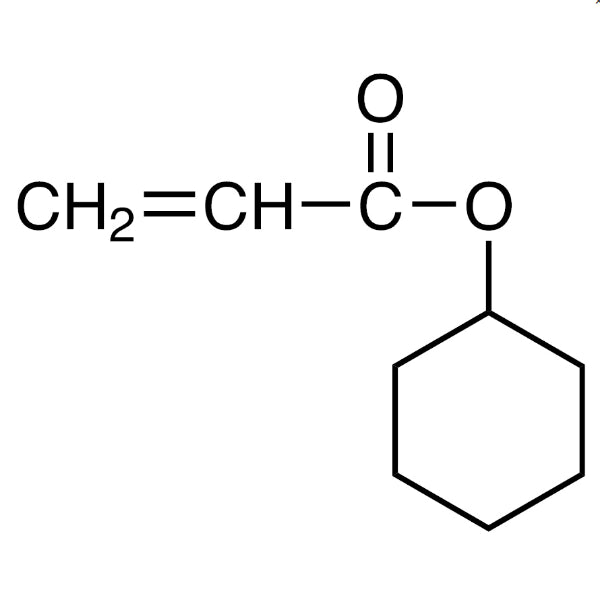
Cyclohexyl Acrylate (stabilized with MEHQ), with CAS number 3066-71-5, is a chemical monomer widely used in materials science and polymer chemistry. It serves as a fundamental building block in the synthesis of various polymers, particularly in free radical polymerization processes. This compound is essential for creating materials with tailored properties, making it a key component in polymer research and development. Its versatility allows it to react with a range of initiators and inhibitors, enabling the production of polymers with specific mechanical and chemical characteristics.
The stability and reactivity of Cyclohexyl Acrylate make it a preferred choice for laboratory applications. It is chemically stable due to the inclusion of MEHQ, which acts as an antioxidant and prevents oxidation. This stabilization ensures that the material maintains its properties over extended periods, enhancing its reliability in experimental settings. Additionally, its good solubility in organic solvents makes it easy to incorporate into various chemical reactions. These properties contribute to its widespread use in both academic and industrial research environments.
In Indonesian laboratories, Cyclohexyl Acrylate is commonly used for polymer synthesis and material development. It is particularly favored for its ability to produce polymers with high tensile strength and flexibility. Its non-toxic nature under normal conditions also makes it a safe option for use in laboratories that prioritize safety and compliance with chemical handling protocols. The compound is integral to research focused on creating advanced materials and polymer-based products.
TCI brochures (PDF)
- Monomers 2025-05-28 · p. 3
Related TCI products
- TCI M0594 101-43-9 Cyclohexyl Methacrylate (stabilized with MEHQ)
- TCI Z0069 14643-87-9 Zinc Acrylate
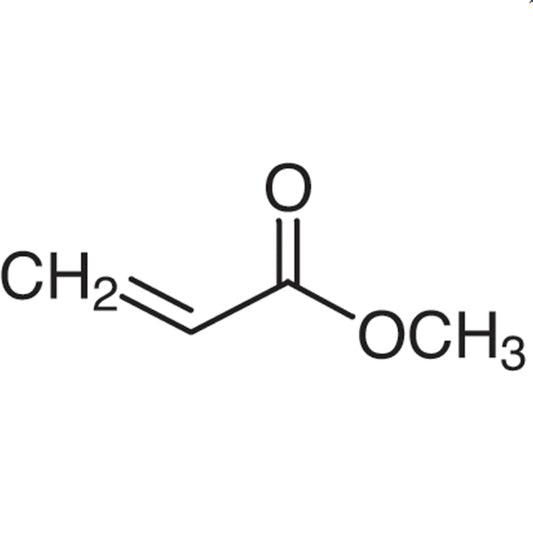
- TCI A0145 96-33-3 Methyl Acrylate (stabilized with MEHQ)
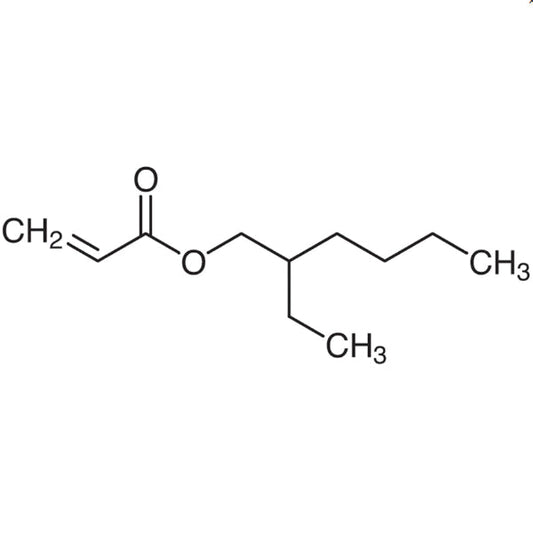
- TCI A0144 103-11-7 2-Ethylhexyl Acrylate Monomer (stabilized with MEHQ)
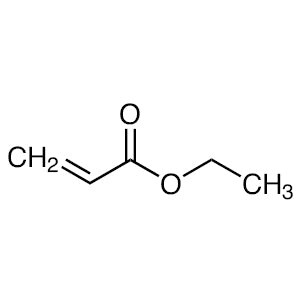
- TCI A0143 140-88-5 Ethyl Acrylate (stabilized with MEHQ)
- TCI A0142 141-32-2 Butyl Acrylate (stabilized with MEHQ)
- Free Radical Polymerization: Cyclohexyl Acrylate is ideal for free radical polymerization due to its reactivity and compatibility with various initiators, enabling the synthesis of a wide range of polymers with tailored properties.
- Polymer Film Production: Its solubility in organic solvents makes it suitable for creating thin polymer films, which are used in coatings and protective layers in material science applications.
- Composite Material Development: It is frequently used in the formulation of composite materials, where it enhances the mechanical properties of the final product by acting as a cross-linking agent.
- Coating and Adhesive Formulations: The compound's ability to form stable polymer networks makes it a valuable component in the development of adhesives and coating materials.
- Research and Development in Polymer Chemistry: Cyclohexyl Acrylate is a key reagent in polymer research, allowing scientists to explore new polymer structures and properties for industrial applications.
| Brand | TCI |
|---|---|
| CAS number | 3066-71-5 |
| Molecular formula | — |
| Purity | — |
| Category | Materials Science > Polymer/Macromolecule Reagents > Monomers |
| Pack sizes | Available in various quantities as per standard supplier offerings |
| Physical form | Liquid |
| Storage | Store in a cool, dark place away from heat and direct sunlight |
Cyclohexyl Acrylate should be stored in a cool, dark location, away from heat and direct sunlight to maintain its stability. It is recommended to use suitable containers such as glass or high-density polyethylene (HDPE) to prevent degradation and contamination. The material should be kept in a well-ventilated area to ensure safe handling. Due to its chemical stability, it does not require refrigeration but should be protected from moisture and potential sources of oxidation. Always follow standard laboratory safety protocols when handling this compound, including the use of personal protective equipment such as gloves and safety goggles. Proper storage and handling help ensure the longevity and effectiveness of the material in laboratory applications.
—
Product Categories
Produk Terkait
-
CyclohexylMethacrylate(stabilizedwithMEHQ) TCI M0594
Regular price Rp 452.550,00Regular priceRp 316.050,00Sale price Rp 452.550,00 -
ZincAcrylate TCI Z0069
Regular price Rp 769.650,00Regular priceRp 537.600,00Sale price Rp 769.650,00 -
MethylAcrylate(stabilizedwithMEHQ) TCI A0145
Regular price Rp 477.750,00Regular priceRp 333.900,00Sale price Rp 477.750,00 -
2-EthylhexylAcrylateMonomer(stabilizedwithMEHQ) TCI A0144
Regular price Rp 505.050,00Regular priceRp 352.800,00Sale price Rp 505.050,00 -
EthylAcrylate(stabilizedwithMEHQ) TCI A0143
Regular price Rp 477.750,00Regular priceRp 333.900,00Sale price Rp 477.750,00 -
ButylAcrylate(stabilizedwithMEHQ) TCI A0142
Regular price Rp 505.050,00Regular priceRp 352.800,00Sale price Rp 505.050,00 -
3-SulfopropylAcrylatePotassiumSalt TCI U0117
Regular price Rp 1.565.550,00Regular priceRp 1.094.100,00Sale price Rp 1.565.550,00 -
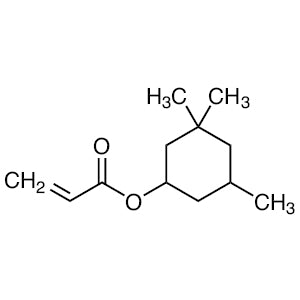
3,3,5-TrimethylcyclohexylAcrylate(cis-andtrans-mixture)(stabilizedwithMEHQ) TCI T3984
Regular price Rp 1.510.950,00Regular priceRp 1.056.300,00Sale price Rp 1.510.950,00