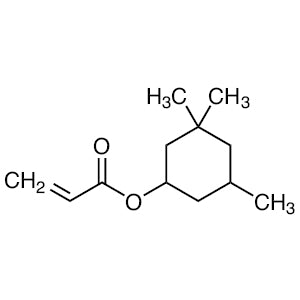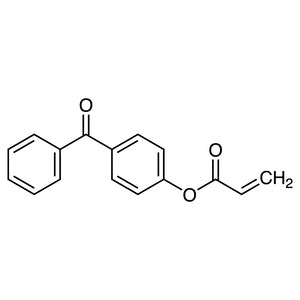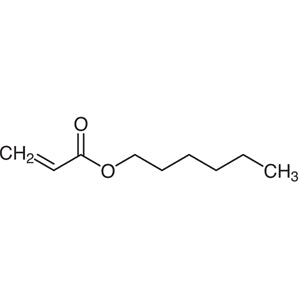
Hexyl Acrylate (stabilized with HQ), with the CAS number 2499-95-8, is a versatile chemical compound widely used in laboratory settings as a building block for various chemical reactions and molecular synthesis. It serves as a fundamental component in the creation of polymers, esters, and other organic compounds. Its simple chemical structure supports its role in multiple synthetic pathways, making it an essential material for chemists working on complex molecule development. This compound is commonly found in both academic and industrial research environments due to its broad applicability and reliability in chemical processes.
The stability and reactivity of Hexyl Acrylate make it a preferred choice for laboratory use. The stabilization with hydroquinone (HQ) ensures that the compound remains chemically inert during storage and application, reducing the risk of degradation. This characteristic is crucial for maintaining the integrity of the compound throughout experimental procedures. Its non-reactive nature under normal conditions allows it to be used in a variety of reaction types, including esterification, polymerization, and chain modification, without compromising the outcome of the synthesis.
In Indonesian laboratories, Hexyl Acrylate is extensively used in chemical research, development of new materials, and the production of industrial chemical products. Its relevance spans across organic synthesis programs, polymer research, and the creation of chemical intermediates. The compound's availability and cost-effective nature make it a go-to choice for researchers and industrial chemists in Indonesia.
TCI brochures (PDF)
- Monomers 2025-05-28 · p. 3
Related TCI products
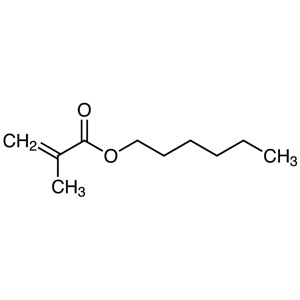
- TCI M0503 142-09-6 Hexyl Methacrylate (stabilized with MEHQ)
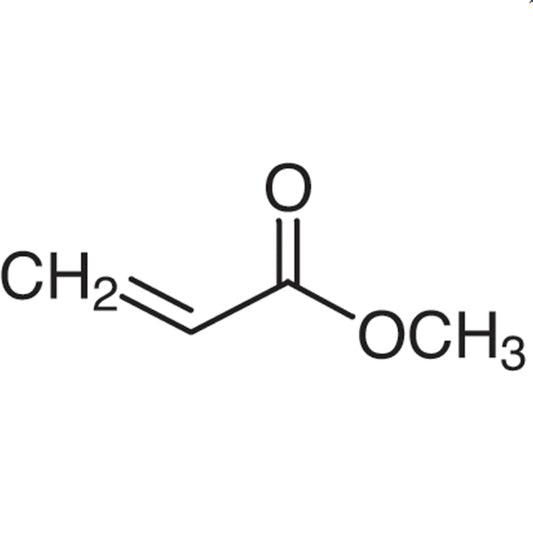
- TCI A0145 96-33-3 Methyl Acrylate (stabilized with MEHQ)
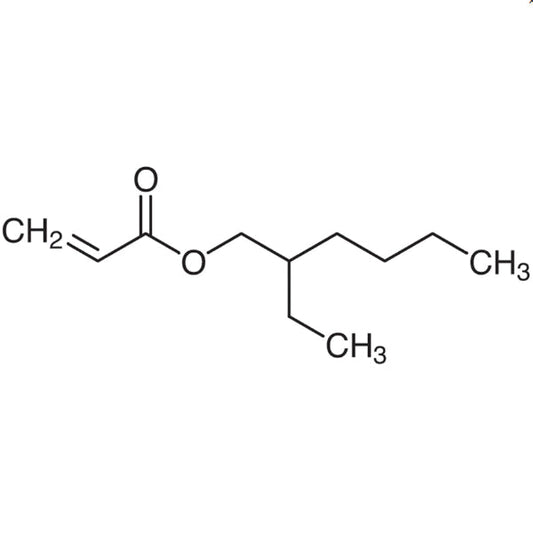
- TCI A0144 103-11-7 2-Ethylhexyl Acrylate Monomer (stabilized with MEHQ)
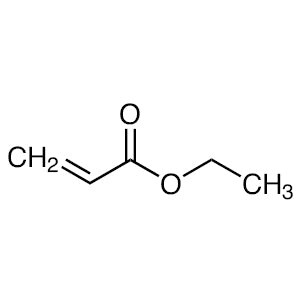
- TCI A0143 140-88-5 Ethyl Acrylate (stabilized with MEHQ)
- TCI A0142 141-32-2 Butyl Acrylate (stabilized with MEHQ)
- TCI U0117 31098-20-1 3-Sulfopropyl Acrylate Potassium Salt
- Esterification Reactions: Hexyl Acrylate is ideal for esterification due to its reactivity and stability, enabling the synthesis of ester compounds with high yield.
- Polymerization Processes: It is commonly used in polymer synthesis as a monomer, contributing to the formation of polymeric materials with desired properties.
- Chain Modification Studies: Its structure allows for effective chain modification, making it valuable in research focused on altering molecular chains for specific applications.
- Organic Synthesis Projects: Hexyl Acrylate serves as a key building block in the synthesis of complex organic molecules, supporting diverse chemical research initiatives.
- Industrial Chemical Development: It is widely used in the development of new chemical products, offering a reliable and stable starting material for various industrial applications.
| Brand | TCI |
|---|---|
| CAS number | 2499-95-8 |
| Molecular formula | — |
| Purity | — |
| Category | Chemistry > Building Blocks > Non-Heterocyclic Building Blocks |
| Pack sizes | Available in various quantities as per standard laboratory supply |
| Physical form | Liquid |
| Storage | Store in a cool, dark place away from heat and direct sunlight |
Hexyl Acrylate should be stored in a cool, dark location, away from heat and direct sunlight to maintain its stability. It is recommended to use airtight containers made of glass or high-density polyethylene to prevent contamination and evaporation. Due to its chemical nature, it should be handled in a well-ventilated area, and appropriate personal protective equipment, such as gloves and safety goggles, should be worn. Avoid exposure to incompatible materials, and ensure that the storage area is secure to prevent accidental spills or leaks. Regular monitoring of storage conditions is advised to ensure the compound remains in optimal condition for laboratory use.
—
Produk Terkait
-
HexylMethacrylate(stabilizedwithMEHQ) TCI M0503
Regular price From Rp 1.087.800,00Regular price -
MethylAcrylate(stabilizedwithMEHQ) TCI A0145
Regular price From Rp 477.750,00Regular price -
2-EthylhexylAcrylateMonomer(stabilizedwithMEHQ) TCI A0144
Regular price From Rp 505.050,00Regular price -
EthylAcrylate(stabilizedwithMEHQ) TCI A0143
Regular price From Rp 477.750,00Regular price -
ButylAcrylate(stabilizedwithMEHQ) TCI A0142
Regular price From Rp 505.050,00Regular price -
3-SulfopropylAcrylatePotassiumSalt TCI U0117
Regular price Rp 1.565.550,00Regular priceRp 1.094.100,00Sale price Rp 1.565.550,00 -
3,3,5-TrimethylcyclohexylAcrylate(cis-andtrans-mixture)(stabilizedwithMEHQ) TCI T3984
Regular price Rp 1.510.950,00Regular priceRp 1.056.300,00Sale price Rp 1.510.950,00 -
4-BenzoylphenylAcrylate TCI A3715
Regular price From Rp 1.590.750,00Regular price