2-Azabicyclo[2.2.1]hept-5-en-3-one is a chemical compound widely used as a foundational building block in the synthesis of complex molecules. Its unique structure makes it a valuable tool for organic chemists seeking to create compounds with specific functional groups and molecular frameworks. This compound is particularly useful in the development of pharmaceuticals, industrial chemicals, and other organic materials, where precise molecular design is essential. Due to its versatility, it is frequently employed in both academic and industrial research settings.
The compound's chemical properties make it a preferred choice for researchers. It exhibits stability under certain conditions but remains highly reactive in specific chemical reactions, allowing for a wide range of synthetic applications. Its cyclic structure enables it to participate in various reaction mechanisms, including substitution, addition, and cyclization. This reactivity, combined with its structural versatility, makes it an ideal candidate for the synthesis of heterocyclic compounds, which are common in drug development and material science.
In Indonesian laboratories, 2-Azabicyclo[2.2.1]hept-5-en-3-one is commonly used in organic chemistry research, especially in projects involving the synthesis of heterocyclic compounds. Its availability in various packaging options ensures easy access for researchers requiring small to moderate quantities. Its role in creating complex molecular structures supports ongoing scientific innovation in the region.
Related TCI products
- TCI B6094 73799-63-0 3-Benzyl-3-azabicyclo[3.1.0]hexane-2,4-dione
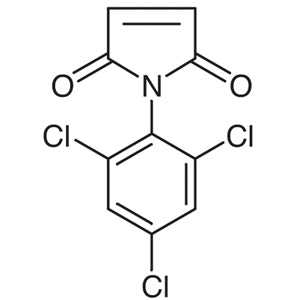
- TCI T1987 13167-25-4 N-(2,4,6-Trichlorophenyl)maleimide
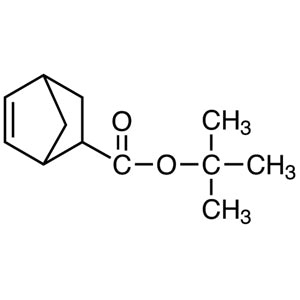
- TCI B4267 154970-45-3 tert-Butyl 5-Norbornene-2-carboxylate (endo- and exo- mixture)
- TCI P1214 42189-56-0 N-(1-Pyrenyl)maleimide
- TCI P0900 941-69-5 N-Phenylmaleimide
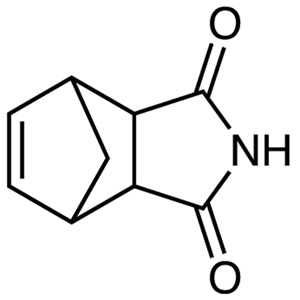
- TCI N0903 3647-74-3 5-Norbornene-2,3-dicarboximide
- Organic synthesis projects benefit from this compound's ability to form complex molecular frameworks, enabling the creation of heterocyclic compounds essential in pharmaceutical research.
- Drug development initiatives utilize its reactivity to design new molecules with specific biological activities, supporting the discovery of novel therapeutic agents.
- Industrial chemical production relies on its versatility in synthetic pathways, allowing for the efficient production of a wide range of organic compounds.
- Academic research in chemistry often incorporates this building block to explore reaction mechanisms and structural modifications in heterocyclic systems.
- Material science studies use its cyclic structure to develop new polymers and functional materials with tailored properties for specialized applications.
| Brand | TCI |
|---|---|
| CAS number | 49805-30-3 |
| Molecular formula | — |
| Purity | — |
| Category | Chemistry > Building Blocks > Non-Heterocyclic Building Blocks |
| Pack sizes | Available in various packaging options to suit different research needs |
| Physical form | — |
| Storage | Store in a cool, dry place away from direct sunlight and incompatible materials |
This compound should be stored in a cool, dry environment, away from direct sunlight and sources of heat. It is recommended to keep it in airtight containers to prevent exposure to moisture and air, which may affect its stability. Due to its reactivity, it should be handled with care, using appropriate personal protective equipment such as gloves and safety goggles. It is important to store it separately from strong acids, bases, and oxidizing agents to avoid unwanted chemical interactions. Proper labeling and storage conditions help maintain its integrity and ensure safe laboratory practices.
—
Produk Terkait
-
3-Benzyl-3-azabicyclo[3.1.0]hexane-2,4-dione TCI B6094
Regular price Rp 3.392.550,00Regular priceRp 2.387.700,00Sale price Rp 3.392.550,00 -
N-(2,4,6-Trichlorophenyl)maleimide TCI T1987
Regular price Rp 3.578.400,00Regular priceRp 2.517.900,00Sale price Rp 3.578.400,00 -
tert-Butyl5-Norbornene-2-carboxylate(endo-andexo-mixture) TCI B4267
Regular price From Rp 1.538.250,00Regular priceRp 1.090.950,00Sale price From Rp 1.538.250,00 -
N-(1-Pyrenyl)maleimide TCI P1214
Regular price Rp 2.862.300,00Regular priceRp 2.017.050,00Sale price Rp 2.862.300,00 -
N-Phenylmaleimide TCI P0900
Regular price From Rp 557.550,00Regular priceRp 405.300,00Sale price From Rp 557.550,00 -
5-Norbornene-2,3-dicarboximide TCI N0903
Regular price Rp 4.636.800,00Regular priceRp 3.258.150,00Sale price Rp 4.636.800,00 -
5-Norbornen-2-ylAcetate(endo-andexo-mixture) TCI N0895
Regular price From Rp 2.545.200,00Regular priceRp 1.779.750,00Sale price From Rp 2.545.200,00 -
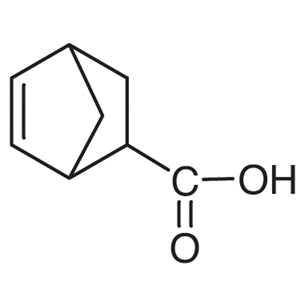
5-Norbornene-2-carboxylicAcid(endo-andexo-mixture) TCI N0667
Regular price From Rp 742.350,00Regular priceRp 534.450,00Sale price From Rp 742.350,00