Atenolol is a pharmacological compound widely used in pharmaceutical and biochemical research for various scientific experiments. As a beta-adrenergic blocker, it plays a crucial role in studies related to the sympathetic nervous system and its effects on the heart. This compound is essential for understanding cardiovascular responses and is frequently employed in experiments involving blood pressure regulation and cardiac function. Its significance extends to drug development and pharmacological analysis, making it a valuable tool in modern laboratory settings.
Atenolol is favored for its chemical stability and consistent quality, which ensure reliable results in experimental studies. Its well-defined molecular structure allows for accurate analysis using techniques such as HPLC and spectroscopy. The compound’s resistance to degradation makes it suitable for long-term research and repeated testing. Additionally, its high purity and reproducibility contribute to the accuracy and reliability of scientific findings. These properties make it a preferred choice for researchers in both academic and industrial environments.
In Indonesian laboratories, atenolol is commonly used in pharmaceutical, biochemical, and pharmacological research. It is integral to the development of new drugs, the assessment of side effects, and the study of drug interactions. Its availability and reliability make it a key component in various research projects aimed at advancing medical science and improving therapeutic outcomes.
TCI brochures (PDF)
- Pharmaceutical Ingredients for Research and Experimental Use 2026-03-09 · p. 20
- Reagents for Biological Research 2025-03-11 · p. 45
- Cardiovascular Research – Atenolol is ideal for studying heart function and blood pressure regulation due to its beta-blocking properties.
- Drug Development – It is used to evaluate the efficacy and safety of new pharmaceutical compounds in preclinical trials.
- Pharmacological Analysis – Its stability and purity make it suitable for use as a reference standard in analytical procedures.
- Toxicology Studies – Atenolol helps assess the impact of drugs on the cardiovascular system and potential adverse effects.
- Biochemical Experiments – It is frequently employed in experiments examining the effects of beta-adrenergic antagonists on cellular processes.
| Brand | TCI |
|---|---|
| CAS number | 29122-68-7 |
| Molecular formula | — |
| Purity | — |
| Category | Life Science > Biochemicals and Reagents > Pharmaceutical Research Reagents |
| Pack sizes | Available in various quantities as per standard laboratory requirements |
| Physical form | Solid powder |
| Storage | Store in a cool, dry place away from direct sunlight |
Atenolol should be stored in a cool, dry environment to maintain its chemical stability and prevent degradation. It is recommended to keep the compound in a tightly sealed container to minimize exposure to moisture and air. Proper labeling of storage containers is essential for safe handling and easy identification. Laboratory personnel should wear appropriate personal protective equipment when handling this compound to ensure safety. Regular monitoring of storage conditions helps maintain the integrity of the material. Atenolol is not flammable, but it should be kept away from incompatible substances to prevent any potential chemical interactions.
—
Product Categories
- Biochemicals and ReagentsPharmaceutical Research Reagents (for Experimental Use)Antihypertensive Ingredients (for Research and Experimental Use)
- Biochemicals and Reagents
- Pharmaceutical Development and Drug Discovery ResearchPharmaceutical Research Reagents (for Experimental Use)Antihypertensive Ingredients (for Research and Experimental Use)
Produk Terkait
-
Irbesartan TCI I0859
Regular price From Rp 1.008.000,00Regular priceRp 720.300,00Sale price From Rp 1.008.000,00 -
VerapamilHydrochloride TCI V0118
Regular price From Rp 1.618.050,00Regular priceRp 1.146.600,00Sale price From Rp 1.618.050,00 -
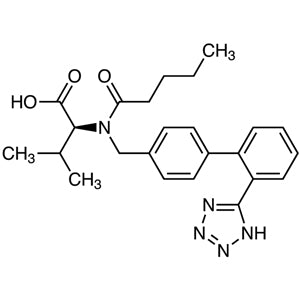
Valsartan TCI V0112
Regular price From Rp 1.087.800,00Regular priceRp 775.950,00Sale price From Rp 1.087.800,00 -
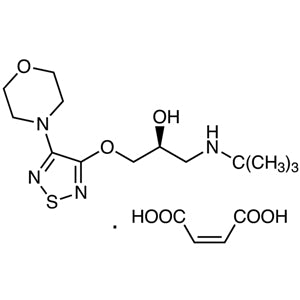
TimololMaleate TCI T2905
Regular price Rp 3.578.400,00Regular priceRp 2.517.900,00Sale price Rp 3.578.400,00 -
Telmisartan TCI T2861
Regular price From Rp 2.013.900,00Regular priceRp 1.423.800,00Sale price From Rp 2.013.900,00 -
BetaxololHydrochloride TCI B4474
Regular price From Rp 3.365.250,00Regular priceRp 2.368.800,00Sale price From Rp 3.365.250,00 -
BenazeprilHydrochloride TCI B3611
Regular price Rp 2.491.650,00Regular priceRp 1.757.700,00Sale price Rp 2.491.650,00 -
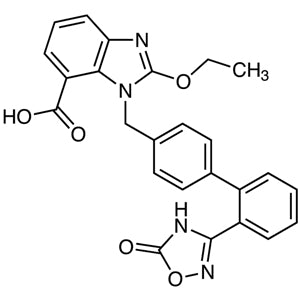
Azilsartan TCI A2601
Regular price From Rp 2.384.550,00Regular priceRp 1.683.150,00Sale price From Rp 2.384.550,00