Betaxolol Hydrochloride is a chemical compound widely used in pharmaceutical research and pharmacological studies. As an active ingredient in glaucoma medications, it plays a crucial role in reducing intraocular pressure by inhibiting beta-adrenergic activity in ocular tissues. This compound is essential for researchers aiming to understand the mechanisms of beta-blockers and their effects on the eye. Its application extends beyond clinical use, making it a vital component in experimental settings where precision and reliability are paramount.
The compound is known for its chemical stability and solubility in organic solvents, which makes it a preferred choice for laboratory use. Its high purity and consistent quality ensure accurate results in analytical and experimental procedures. The well-defined molecular structure also facilitates chemical analysis and identification, making it a reliable reagent for various scientific investigations. These properties contribute to its widespread use in both academic and industrial research environments.
In Indonesian laboratories, Betaxolol Hydrochloride is commonly used in pharmaceutical and pharmacological research. It is frequently found in studies related to drug development, clinical trials, and the investigation of pharmacological effects on the nervous system. Its availability in various packaging options allows for flexible use across different experimental scales, supporting both small-scale research and large-scale studies.
TCI brochures (PDF)
- Pharmaceutical Ingredients for Research and Experimental Use 2026-03-09 · p. 20
- Reagents for Biological Research 2025-03-11 · p. 45
- Pharmaceutical Research: Betaxolol Hydrochloride is ideal for drug development studies due to its well-defined pharmacological profile and stability.
- Clinical Trials: It is used in experimental settings to evaluate the efficacy and safety of beta-blockers in treating glaucoma and other eye-related conditions.
- Pharmacological Analysis: Its chemical stability and solubility make it suitable for analytical studies involving drug interactions and metabolic pathways.
- Neuropharmacological Studies: The compound is used to investigate the effects of beta-adrenergic antagonists on the nervous system and ocular tissues.
- Biochemical Research: It supports experiments requiring precise reagents for enzyme activity assays and receptor binding studies.
| Brand | TCI |
|---|---|
| CAS number | 63659-19-8 |
| Molecular formula | — |
| Purity | — |
| Category | Life Science > Biochemicals and Reagents > Pharmaceutical Research Reagents |
| Pack sizes | Available in various sizes to suit different experimental needs |
| Physical form | White crystalline powder |
| Storage | Store in a cool, dry place away from light and moisture |
Betaxolol Hydrochloride should be stored in a cool, dry place, away from light and moisture to maintain its chemical stability. It is recommended to use airtight containers to prevent exposure to humidity and contaminants. Due to its pharmaceutical nature, it should be handled with care to avoid contamination and ensure the integrity of experimental results. Proper labeling and storage conditions are essential to maintain its effectiveness for research applications. Always follow standard laboratory safety protocols when handling and storing chemical reagents.
—
Product Categories
- Biochemicals and ReagentsPharmaceutical Research Reagents (for Experimental Use)Antihypertensive Ingredients (for Research and Experimental Use)
- Biochemicals and Reagents
- Pharmaceutical Development and Drug Discovery ResearchPharmaceutical Research Reagents (for Experimental Use)Antihypertensive Ingredients (for Research and Experimental Use)
Produk Terkait
-
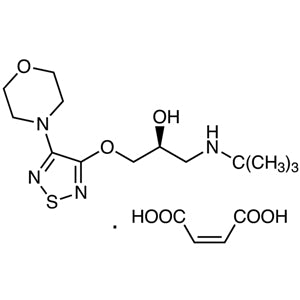
TimololMaleate TCI T2905
Regular price Rp 3.578.400,00Regular priceRp 2.517.900,00Sale price Rp 3.578.400,00 -
Irbesartan TCI I0859
Regular price From Rp 1.008.000,00Regular priceRp 720.300,00Sale price From Rp 1.008.000,00 -
VerapamilHydrochloride TCI V0118
Regular price From Rp 1.618.050,00Regular priceRp 1.146.600,00Sale price From Rp 1.618.050,00 -
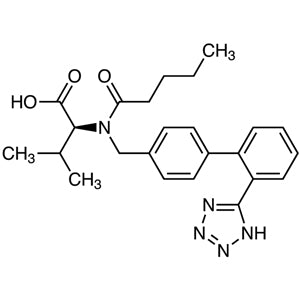
Valsartan TCI V0112
Regular price From Rp 1.087.800,00Regular priceRp 775.950,00Sale price From Rp 1.087.800,00 -
Telmisartan TCI T2861
Regular price From Rp 2.013.900,00Regular priceRp 1.423.800,00Sale price From Rp 2.013.900,00 -
BenazeprilHydrochloride TCI B3611
Regular price Rp 2.491.650,00Regular priceRp 1.757.700,00Sale price Rp 2.491.650,00 -
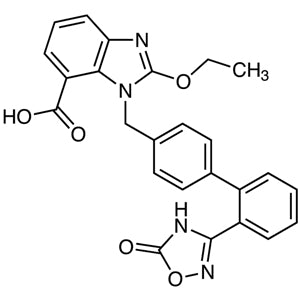
Azilsartan TCI A2601
Regular price From Rp 2.384.550,00Regular priceRp 1.683.150,00Sale price From Rp 2.384.550,00 -
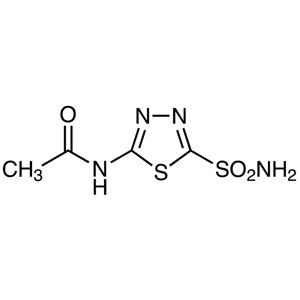
Acetazolamide TCI A2598
Regular price From Rp 2.730.000,00Regular priceRp 1.924.650,00Sale price From Rp 2.730.000,00