3-Acetoxy-2-methylbenzoic Acid is a chemical compound widely used as a building block in the synthesis of complex molecules. It plays a crucial role in organic chemistry laboratories, where it serves as a versatile intermediate for various chemical reactions. This compound is particularly valuable in the development of aromatic compounds and their derivatives, making it an essential tool for researchers working on synthetic pathways. Its ability to participate in multiple reaction types, such as substitution and oxidation, enhances its utility in the creation of diverse chemical structures.
The compound’s chemical stability and compatibility with a range of reagents make it a preferred choice for laboratory use. Its solubility in common organic solvents like ethyl acetate and acetone facilitates efficient handling and application in different experimental setups. The predictable chemical behavior and consistent physical properties ensure reliable results in both qualitative and quantitative analyses. These characteristics make it a dependable material for use in both academic and industrial research environments.
In Indonesian laboratories, 3-Acetoxy-2-methylbenzoic Acid is frequently employed in organic chemistry research, drug development, and analytical chemistry. Its role in the synthesis of pharmaceutical compounds and its use in structural analysis make it a key component in various scientific investigations. Due to its reliability and adaptability, it remains a popular choice among chemists and researchers in the region.
Related TCI products
- TCI A0069 1163-67-3 3-Acetoxy-2-naphthanilide
- TCI A1232 40235-68-5 1-Acetoxy-3-chloroacetone
- TCI A1066 592-20-1 Acetoxy-2-propanone (stabilized with Mg6Al2(OH)16CO3.4H2O)
- TCI A0970 17295-26-0 6-Acetoxy-2-naphthoic Acid
- TCI B4145 6967-82-4 2-Bromo-5-methylbenzoic Acid
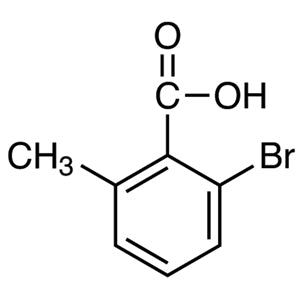
- TCI B4097 90259-31-7 2-Bromo-6-methylbenzoic Acid
- Organic synthesis applications benefit from its reactivity and structural versatility, enabling the creation of complex aromatic compounds.
- Drug development projects often utilize this compound as a starting material for the synthesis of pharmaceutical intermediates.
- Analytical chemistry experiments rely on its solubility and chemical stability for accurate and reproducible results.
- Research in chemical modification processes takes advantage of its ability to undergo substitution and oxidation reactions.
- Educational institutions use it to teach fundamental principles of organic chemistry and synthetic methodologies.
| Brand | TCI |
|---|---|
| CAS number | 168899-58-9 |
| Molecular formula | — |
| Purity | — |
| Category | Chemistry > Building Blocks > Non-Heterocyclic Building Blocks |
| Pack sizes | Available in standard laboratory quantities |
| Physical form | Solid |
| Storage | Store in a cool, dry place away from direct sunlight |
This compound should be stored in a cool, dry environment, away from direct sunlight and sources of heat. It is recommended to use airtight containers to prevent moisture absorption and contamination. Due to its chemical stability, it does not require refrigeration but should be kept in a secure location to avoid accidental exposure. Laboratory personnel should handle it with appropriate personal protective equipment, such as gloves and safety goggles, to ensure safe handling. Proper labeling of containers is essential to maintain a safe and organized laboratory environment. Regular monitoring of storage conditions ensures the compound remains in optimal condition for use.
—
Produk Terkait
-
3-Acetoxy-2-naphthanilide TCI A0069
Regular price Rp 1.246.350,00Regular priceRp 887.250,00Sale price Rp 1.246.350,00 -
1-Acetoxy-3-chloroacetone TCI A1232
Regular price From Rp 2.782.500,00Regular priceRp 1.945.650,00Sale price From Rp 2.782.500,00 -
Acetoxy-2-propanone(stabilizedwithMg6Al2(OH)16CO3.4H2O) TCI A1066
Regular price Rp 4.320.750,00Regular priceRp 3.020.850,00Sale price Rp 4.320.750,00 -
6-Acetoxy-2-naphthoicAcid TCI A0970
Regular price From Rp 1.696.800,00Regular priceRp 1.202.250,00Sale price From Rp 1.696.800,00 -
2-Bromo-5-methylbenzoicAcid TCI B4145
Regular price From Rp 1.563.450,00Regular priceRp 1.108.800,00Sale price From Rp 1.563.450,00 -
2-Bromo-6-methylbenzoicAcid TCI B4097
Regular price From Rp 1.483.650,00Regular priceRp 1.053.150,00Sale price From Rp 1.483.650,00 -
2-Bromo-4-methylbenzoicAcid TCI B3879
Regular price From Rp 848.400,00Regular priceRp 609.000,00Sale price From Rp 848.400,00 -
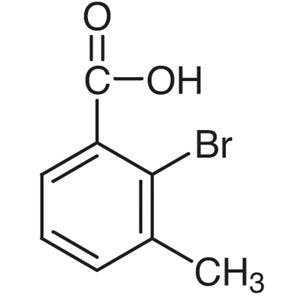
2-Bromo-3-methylbenzoicAcid TCI B3636
Regular price From Rp 822.150,00Regular priceRp 590.100,00Sale price From Rp 822.150,00