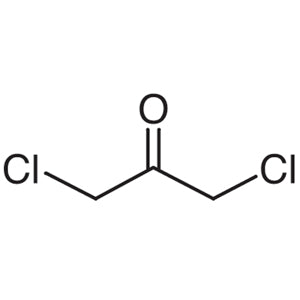
Acetoxy-2-propanone (stabilized with Mg6Al2(OH)16CO3.4H2O) is a chemical compound widely used in organic reactions for the synthesis of complex molecules. This compound serves as a key building block in laboratory settings, enabling the creation of more intricate chemical structures through controlled chemical reactions. Its role is critical in both research and educational environments, where it is utilized to develop new compounds and test chemical theories. Due to its versatility, it is a fundamental component in the toolkit of chemists and researchers working on advanced synthetic pathways.
The compound is prized for its high chemical stability and reactivity, making it a preferred choice for laboratory applications. Its stabilized form, achieved through the inclusion of Mg6Al2(OH)16CO3.4H2O, enhances its resistance to degradation and ensures consistent performance during chemical processes. This stability allows for reliable results and simplifies the handling and storage of the compound. Additionally, its reactivity can be precisely controlled, offering researchers greater flexibility in designing and executing synthetic reactions.
In Indonesian laboratories, Acetoxy-2-propanone is commonly used in chemical research and academic settings. It is a go-to material for students and professionals due to its reliability and effectiveness. Its availability and performance make it an essential reagent for those engaged in organic synthesis and chemical experimentation.
Related TCI products
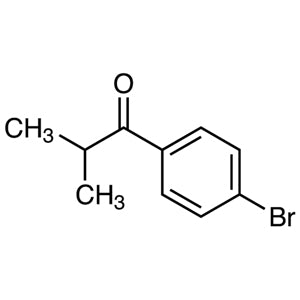
- TCI B5232 49660-93-7 1-(4-Bromophenyl)-2-methyl-1-propanone
- TCI B4791 54523-47-6 1,3-Bis(4-bromophenyl)-2-propanone
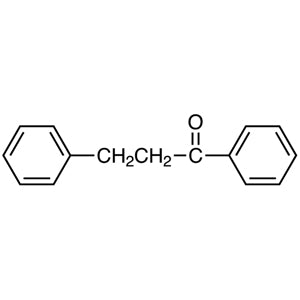
- TCI D5479 1083-30-3 1,3-Diphenyl-1-propanone
- TCI D5121 53012-41-2 1-(2,6-Dimethylphenoxy)-2-propanone
- TCI D4378 5411-12-1 1,3-Diphenyl-2,3-epoxy-1-propanone
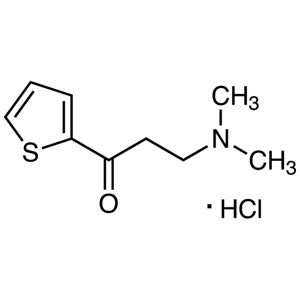
- TCI D4011 5424-47-5 3-(Dimethylamino)-1-(2-thienyl)-1-propanone Hydrochloride
- Organic synthesis is a primary application for this compound, as it serves as a versatile building block for creating complex molecules through various reaction mechanisms.
- It is widely used in academic research settings to support chemical studies and educational experiments, providing students with a reliable material for learning and experimentation.
- The compound is suitable for catalytic reactions due to its reactivity and stability, allowing for the development of new chemical processes and reaction pathways.
- It is often employed in pharmaceutical research to aid in the development of new drug compounds and therapeutic agents through synthetic methods.
- In industrial chemical processes, this compound is used for the production of specialty chemicals and intermediate products that require controlled chemical transformations.
| Brand | TCI |
|---|---|
| CAS number | 592-20-1 |
| Molecular formula | — |
| Purity | — |
| Category | Chemistry > Building Blocks > Non-Heterocyclic Building Blocks |
| Pack sizes | Available in various quantities as per standard laboratory supply specifications |
| Physical form | Liquid or solid, depending on the specific formulation and packaging |
| Storage | Store in a cool, dry place away from direct sunlight and incompatible materials |
Acetoxy-2-propanone should be stored in a cool, dry environment to maintain its chemical stability and prevent degradation. It is recommended to use airtight containers made of materials compatible with the compound, such as glass or high-density polyethylene, to minimize exposure to moisture and air. Proper labeling of containers is essential for safe handling and identification. In laboratory settings, it should be kept away from strong oxidizing agents and incompatible substances to avoid unwanted reactions. Always ensure adequate ventilation when handling the compound, and follow standard safety protocols to protect both personnel and the environment.
—
Produk Terkait
-
1-(4-Bromophenyl)-2-methyl-1-propanone TCI B5232
Regular price Rp 2.147.250,00Regular priceRp 1.517.250,00Sale price Rp 2.147.250,00 -
1,3-Bis(4-bromophenyl)-2-propanone TCI B4791
Regular price From Rp 2.013.900,00Regular priceRp 1.423.800,00Sale price From Rp 2.013.900,00 -
1,3-Diphenyl-1-propanone TCI D5479
Regular price From Rp 795.900,00Regular priceRp 556.500,00Sale price From Rp 795.900,00 -
1-(2,6-Dimethylphenoxy)-2-propanone TCI D5121
Regular price From Rp 822.150,00Regular priceRp 590.100,00Sale price From Rp 822.150,00 -
1,3-Diphenyl-2,3-epoxy-1-propanone TCI D4378
Regular price From Rp 1.167.600,00Regular priceRp 831.600,00Sale price From Rp 1.167.600,00 -
3-(Dimethylamino)-1-(2-thienyl)-1-propanoneHydrochloride TCI D4011
Regular price Rp 2.623.950,00Regular priceRp 1.850.100,00Sale price Rp 2.623.950,00 -
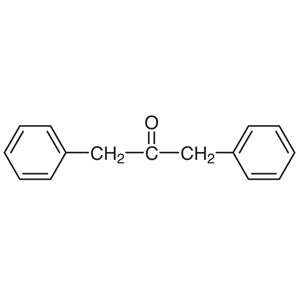
1,3-Diphenyl-2-propanone TCI D0911
Regular price From Rp 1.538.250,00Regular priceRp 1.075.200,00Sale price From Rp 1.538.250,00 -
1,3-Dichloro-2-propanone TCI D0401
Regular price From Rp 1.326.150,00Regular priceRp 942.900,00Sale price From Rp 1.326.150,00