1-(4-Bromophenyl)-2-methyl-1-propanone is a chemical compound widely used as a building block in the synthesis of complex organic compounds. This material serves as a fundamental component in various chemical reactions, particularly those involving bromo substitution on the phenyl ring. Its simple molecular structure plays a crucial role in enabling the formation of more complex molecules through controlled chemical transformations. In the laboratory, it is an essential reagent for researchers working on organic synthesis and functional group modifications.
The compound is valued for its chemical stability and controlled reactivity, making it a preferred choice for laboratory applications. Its ability to participate in a range of reactions, such as substitution, alkylation, and oxidation, ensures its versatility in synthetic pathways. The absence of heterocyclic structures simplifies its processing and broadens its applicability in organic chemistry. Additionally, its resistance to certain chemical conditions allows for longer storage and consistent performance in experimental settings.
In Indonesian laboratories, this compound is extensively used in organic chemistry research, particularly in the development of new compounds and the study of reaction mechanisms. It is a key reagent in academic and industrial settings where high-quality building blocks are required. Its reliability and predictable behavior make it a staple in both teaching and research environments, supporting the advancement of chemical knowledge and innovation.
Related TCI products
- TCI B4791 54523-47-6 1,3-Bis(4-bromophenyl)-2-propanone
- TCI A1066 592-20-1 Acetoxy-2-propanone (stabilized with Mg6Al2(OH)16CO3.4H2O)
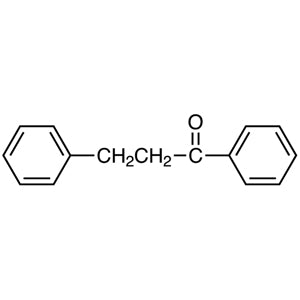
- TCI D5479 1083-30-3 1,3-Diphenyl-1-propanone
- TCI D5121 53012-41-2 1-(2,6-Dimethylphenoxy)-2-propanone
- TCI D4378 5411-12-1 1,3-Diphenyl-2,3-epoxy-1-propanone
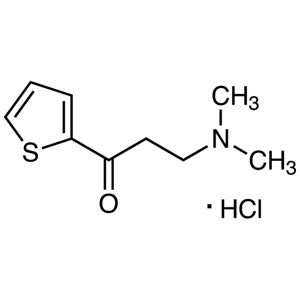
- TCI D4011 5424-47-5 3-(Dimethylamino)-1-(2-thienyl)-1-propanone Hydrochloride
- Organic synthesis applications benefit from this compound's role as a versatile building block for creating complex molecules with bromo substitution.
- It is ideal for substitution reactions due to its stable structure and controlled reactivity, allowing for precise chemical modifications.
- Alkylation processes often utilize this compound as a starting material, enabling the introduction of alkyl groups in targeted positions.
- Oxidation reactions in the laboratory rely on its chemical stability, ensuring consistent results under controlled conditions.
- It supports research in functional group transformations, offering a reliable reagent for modifying molecular structures in various synthetic pathways.
| Brand | TCI |
|---|---|
| CAS number | 49660-93-7 |
| Molecular formula | — |
| Purity | — |
| Category | Chemistry > Building Blocks > Non-Heterocyclic Building Blocks |
| Pack sizes | Available in standard laboratory quantities |
| Physical form | Solid |
| Storage | Store in a cool, dry place away from light and moisture |
This compound should be stored in a cool, dry environment, away from direct sunlight and moisture. It is recommended to use airtight containers to prevent exposure to air and humidity, which may affect its stability. Due to its chemical nature, it should be handled with appropriate personal protective equipment, including gloves and safety goggles. It is important to ensure proper ventilation in the laboratory when working with this compound to minimize inhalation risks. Avoid contact with incompatible materials, such as strong oxidizing agents, to prevent unwanted reactions. Proper labeling and storage practices help maintain the integrity and safety of the compound during handling and use.
—
Produk Terkait
-
1,3-Bis(4-bromophenyl)-2-propanone TCI B4791
Regular price From Rp 2.013.900,00Regular priceRp 1.423.800,00Sale price From Rp 2.013.900,00 -
Acetoxy-2-propanone(stabilizedwithMg6Al2(OH)16CO3.4H2O) TCI A1066
Regular price Rp 4.320.750,00Regular priceRp 3.020.850,00Sale price Rp 4.320.750,00 -
1,3-Diphenyl-1-propanone TCI D5479
Regular price From Rp 795.900,00Regular priceRp 556.500,00Sale price From Rp 795.900,00 -
1-(2,6-Dimethylphenoxy)-2-propanone TCI D5121
Regular price From Rp 822.150,00Regular priceRp 590.100,00Sale price From Rp 822.150,00 -
1,3-Diphenyl-2,3-epoxy-1-propanone TCI D4378
Regular price From Rp 1.167.600,00Regular priceRp 831.600,00Sale price From Rp 1.167.600,00 -
3-(Dimethylamino)-1-(2-thienyl)-1-propanoneHydrochloride TCI D4011
Regular price Rp 2.623.950,00Regular priceRp 1.850.100,00Sale price Rp 2.623.950,00 -
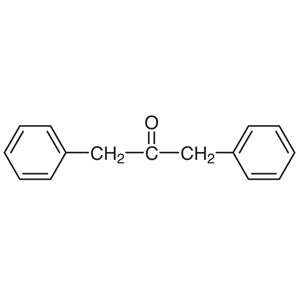
1,3-Diphenyl-2-propanone TCI D0911
Regular price From Rp 1.538.250,00Regular priceRp 1.075.200,00Sale price From Rp 1.538.250,00 -
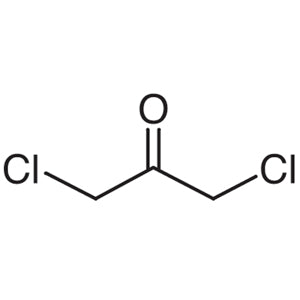
1,3-Dichloro-2-propanone TCI D0401
Regular price From Rp 1.326.150,00Regular priceRp 942.900,00Sale price From Rp 1.326.150,00