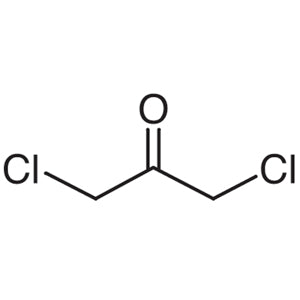
1,3-Bis(4-bromophenyl)-2-propanone is a chemical compound widely used as a foundational building block in organic synthesis. This compound plays a crucial role in laboratories where complex molecular structures are being developed. Its unique structure, consisting of two bromophenyl groups connected by a propanone chain, makes it a versatile intermediate in various chemical reactions. It is particularly valuable in synthetic pathways that require controlled reactivity and precise functional group manipulation.
The compound’s chemical stability and controlled reactivity make it a preferred choice for researchers. The presence of bromine atoms at the 4-position of both phenyl groups contributes to its stability and reactivity, allowing it to participate in electrophilic substitution reactions. Its non-polar nature also facilitates solubility in organic solvents, enhancing its utility in a wide range of synthetic processes. These properties make it an essential tool for chemists working in both academic and industrial settings.
In Indonesian laboratories, 1,3-Bis(4-bromophenyl)-2-propanone is commonly used in pharmaceutical and materials research. Its role in the synthesis of heterocyclic compounds and aromatic derivatives is well established. It is frequently employed in drug development, chemical manufacturing, and academic research projects. Its reliability and versatility make it a go-to compound for scientists seeking to explore new chemical pathways and develop innovative materials.
Related TCI products
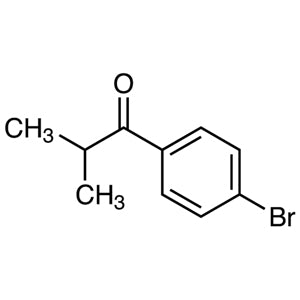
- TCI B5232 49660-93-7 1-(4-Bromophenyl)-2-methyl-1-propanone
- TCI A1066 592-20-1 Acetoxy-2-propanone (stabilized with Mg6Al2(OH)16CO3.4H2O)
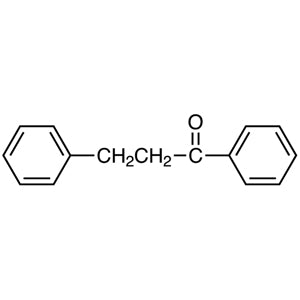
- TCI D5479 1083-30-3 1,3-Diphenyl-1-propanone
- TCI D5121 53012-41-2 1-(2,6-Dimethylphenoxy)-2-propanone
- TCI D4378 5411-12-1 1,3-Diphenyl-2,3-epoxy-1-propanone
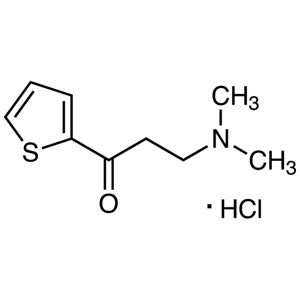
- TCI D4011 5424-47-5 3-(Dimethylamino)-1-(2-thienyl)-1-propanone Hydrochloride
- Pharmaceutical research utilizes this compound for the synthesis of complex organic molecules due to its reactivity and structural versatility.
- Organic synthesis applications benefit from its ability to undergo electrophilic substitution reactions, making it ideal for creating functionalized compounds.
- Material science studies employ it as a building block for developing new polymers and advanced materials with tailored properties.
- Academic research in chemistry leverages its stability and controllable reactivity for teaching and experimental purposes.
- Industrial chemical production uses it as a key intermediate in the manufacture of specialty chemicals and pharmaceuticals.
| Brand | TCI |
|---|---|
| CAS number | 54523-47-6 |
| Molecular formula | — |
| Purity | — |
| Category | Chemistry > Building Blocks > Non-Heterocyclic Building Blocks |
| Pack sizes | Available in various quantities as per standard laboratory supply |
| Physical form | Solid |
| Storage | Store in a cool, dry place away from light and moisture |
This compound should be stored in a cool, dry environment, away from direct sunlight and moisture. It is recommended to use airtight containers to prevent exposure to air and humidity. Due to its chemical nature, it should be handled with appropriate personal protective equipment, including gloves and safety goggles. It is important to ensure proper ventilation in the laboratory when working with this substance. Avoid contact with skin and eyes, and keep it away from incompatible materials. Proper storage and handling practices help maintain its chemical integrity and ensure safe usage in laboratory settings.
—
Produk Terkait
-
1-(4-Bromophenyl)-2-methyl-1-propanone TCI B5232
Regular price Rp 2.147.250,00Regular priceRp 1.517.250,00Sale price Rp 2.147.250,00 -
Acetoxy-2-propanone(stabilizedwithMg6Al2(OH)16CO3.4H2O) TCI A1066
Regular price Rp 4.320.750,00Regular priceRp 3.020.850,00Sale price Rp 4.320.750,00 -
1,3-Diphenyl-1-propanone TCI D5479
Regular price From Rp 795.900,00Regular priceRp 556.500,00Sale price From Rp 795.900,00 -
1-(2,6-Dimethylphenoxy)-2-propanone TCI D5121
Regular price From Rp 822.150,00Regular priceRp 590.100,00Sale price From Rp 822.150,00 -
1,3-Diphenyl-2,3-epoxy-1-propanone TCI D4378
Regular price From Rp 1.167.600,00Regular priceRp 831.600,00Sale price From Rp 1.167.600,00 -
3-(Dimethylamino)-1-(2-thienyl)-1-propanoneHydrochloride TCI D4011
Regular price Rp 2.623.950,00Regular priceRp 1.850.100,00Sale price Rp 2.623.950,00 -
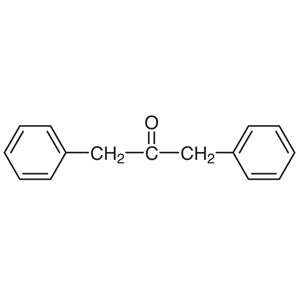
1,3-Diphenyl-2-propanone TCI D0911
Regular price From Rp 1.538.250,00Regular priceRp 1.075.200,00Sale price From Rp 1.538.250,00 -
1,3-Dichloro-2-propanone TCI D0401
Regular price From Rp 1.326.150,00Regular priceRp 942.900,00Sale price From Rp 1.326.150,00