Adamantan-1-yl Acrylate (stabilized with BHT), with the CAS number 121601-93-2, is a chemical compound widely used in laboratory settings for the synthesis of complex molecular structures. As a building block in organic chemistry, it serves as a versatile reagent for creating polymers, pharmaceuticals, and industrial chemicals. Its unique structure, featuring the adamantan unit, provides stability and reactivity, making it an essential component in various synthetic pathways. This compound is particularly favored for its ability to participate in controlled chemical reactions, enabling the development of advanced materials and compounds with specific functional properties.
The compound’s stability and reactivity are enhanced by the inclusion of BHT, a common antioxidant that prevents oxidation and prolongs shelf life. This makes it suitable for long-term storage and use in sensitive experimental conditions. Its chemical inertness and controlled reactivity allow it to be used in a wide range of applications without unwanted side reactions. The combination of its molecular structure and stabilizing agent ensures that it remains a reliable and safe choice for researchers working in both academic and industrial laboratories.
In Indonesian laboratories, Adamantan-1-yl Acrylate is commonly used in organic synthesis research, particularly in the development of new materials and pharmaceutical compounds. Its role in creating complex molecular architectures is critical in advancing chemical research and innovation. The compound’s reliability and performance make it a preferred choice for scientists and researchers looking to achieve precise and reproducible results in their experiments.
TCI brochures (PDF)
- Monomers 2025-05-28 · p. 4
Related TCI products
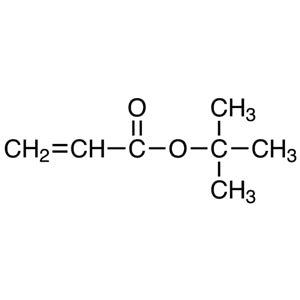
- TCI A1389 1663-39-4 tert-Butyl Acrylate (stabilized with MEHQ)
- TCI M3261 178889-49-1 1-Methylcyclopentyl Acrylate (stabilized with MEHQ)
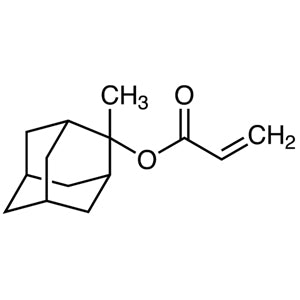
- TCI M3223 249562-06-9 2-Methyladamantan-2-yl Acrylate (stabilized with MEHQ)
- TCI A0145 96-33-3 Methyl Acrylate (stabilized with MEHQ)
- TCI A0144 103-11-7 2-Ethylhexyl Acrylate Monomer (stabilized with MEHQ)
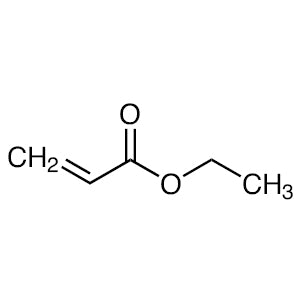
- TCI A0143 140-88-5 Ethyl Acrylate (stabilized with MEHQ)
- Organic synthesis is a primary application where Adamantan-1-yl Acrylate is used to build complex molecular structures due to its reactivity and stability.
- Polymer development benefits from this compound’s ability to form stable chemical bonds, making it ideal for creating advanced polymer materials.
- Pharmaceutical research utilizes this compound for the synthesis of drug molecules, leveraging its unique molecular structure for targeted chemical modifications.
- Industrial chemical production relies on its versatility in creating compounds with specific functional properties for various applications.
- Material science applications benefit from its role in the creation of high-performance materials with enhanced chemical and physical properties.
| Brand | TCI |
|---|---|
| CAS number | 121601-93-2 |
| Molecular formula | — |
| Purity | — |
| Category | Chemistry > Building Blocks > Non-Heterocyclic Building Blocks |
| Pack sizes | — |
| Physical form | — |
| Storage | Store in a cool, dry place away from light and heat sources |
Adamantan-1-yl Acrylate should be stored in a cool, dry environment, away from direct sunlight and sources of heat to maintain its stability and effectiveness. It is recommended to use airtight containers to prevent exposure to moisture and air, which could lead to degradation. Due to its chemical nature, it should be handled with care in a well-ventilated area, and appropriate personal protective equipment should be worn when handling the compound. Regular monitoring of storage conditions is advised to ensure the compound remains in optimal condition for use in laboratory applications. Proper labeling and storage practices help maintain safety and prevent accidental exposure or contamination.
—
Produk Terkait
-
tert-ButylAcrylate(stabilizedwithMEHQ) TCI A1389
Regular price From Rp 452.550,00Regular priceRp 316.050,00Sale price From Rp 452.550,00 -
1-MethylcyclopentylAcrylate(stabilizedwithMEHQ) TCI M3261
Regular price From Rp 1.696.800,00Regular priceRp 1.186.500,00Sale price From Rp 1.696.800,00 -
2-Methyladamantan-2-ylAcrylate(stabilizedwithMEHQ) TCI M3223
Regular price From Rp 1.724.100,00Regular priceRp 1.205.400,00Sale price From Rp 1.724.100,00 -
MethylAcrylate(stabilizedwithMEHQ) TCI A0145
Regular price From Rp 477.750,00Regular priceRp 333.900,00Sale price From Rp 477.750,00 -
2-EthylhexylAcrylateMonomer(stabilizedwithMEHQ) TCI A0144
Regular price From Rp 505.050,00Regular priceRp 352.800,00Sale price From Rp 505.050,00 -
EthylAcrylate(stabilizedwithMEHQ) TCI A0143
Regular price From Rp 477.750,00Regular priceRp 333.900,00Sale price From Rp 477.750,00 -
ButylAcrylate(stabilizedwithMEHQ) TCI A0142
Regular price From Rp 505.050,00Regular priceRp 352.800,00Sale price From Rp 505.050,00 -
3-SulfopropylAcrylatePotassiumSalt TCI U0117
Regular price Rp 1.565.550,00Regular priceRp 1.094.100,00Sale price Rp 1.565.550,00