O-Acetylsalicyloyl Chloride is a chemical compound widely used in organic synthesis reactions, particularly in the production of derivatives of salicylic acid. This reagent plays a crucial role in laboratories where the synthesis of pharmaceutical compounds, industrial chemicals, or bioactive substances is required. Its versatility makes it an essential component in various chemical processes, enabling the formation of complex molecules through nucleophilic substitution and esterification reactions. As a building block in synthetic chemistry, it supports the development of new compounds with specific functional properties.
The compound is known for its stable yet reactive chemical structure, which allows it to participate effectively in a range of chemical transformations. Its ability to form stable intermediates and react with various functional groups makes it a preferred choice for chemists. The reactivity and stability of O-Acetylsalicyloyl Chloride ensure that it remains a reliable and efficient reagent in both academic and industrial research settings. These properties contribute to its widespread use in chemical synthesis and drug development.
In Indonesian laboratories, O-Acetylsalicyloyl Chloride is commonly used in pharmaceutical research, organic chemistry, and analytical chemistry. It is a key reagent in the synthesis of active pharmaceutical ingredients and other bioactive compounds. Many higher education institutions and research companies in Indonesia rely on this compound for experimental work related to drug development and chemical analysis. Its role in advancing scientific research is well recognized in the local scientific community.
- Organic synthesis of salicylic acid derivatives due to its reactivity and ability to form ester linkages.
- Pharmaceutical research for the development of new drugs and active pharmaceutical ingredients.
- Industrial chemical production as a building block for various chemical compounds.
- Bioactive compound synthesis for applications in medicinal and biological research.
- Analytical chemistry for the preparation of standards and reagents in qualitative and quantitative analysis.
| Brand | TCI |
|---|---|
| CAS number | 5538-51-2 |
| Molecular formula | — |
| Purity | — |
| Category | Chemistry > Building Blocks > Non-Heterocyclic Building Blocks |
| Pack sizes | Available in various sizes as per supplier specifications |
| Physical form | Solid or liquid, depending on the formulation |
| Storage | Store in a cool, dry place away from light and moisture |
O-Acetylsalicyloyl Chloride should be stored in a cool, dry environment, away from direct light and moisture to maintain its chemical integrity. It is recommended to use airtight containers made of glass or high-density polyethylene to prevent contamination and degradation. Due to its reactivity, it should be handled in a well-ventilated area, and appropriate personal protective equipment, such as gloves and safety goggles, should be worn. Avoid contact with incompatible materials such as strong bases or reducing agents. Proper labeling and storage conditions are essential to ensure the safety of laboratory personnel and the effectiveness of the compound in chemical reactions.
—
Produk Terkait
-
MethylAcetylsalicylate TCI A0114
Regular price From Rp 1.087.800,00Regular priceRp 775.950,00Sale price From Rp 1.087.800,00 -
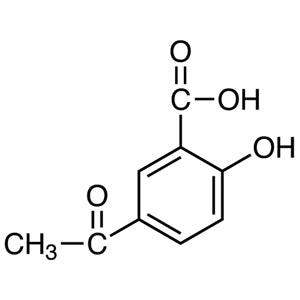
5-AcetylsalicylicAcid TCI A2378
Regular price Rp 8.162.700,00Regular priceRp 5.723.550,00Sale price Rp 8.162.700,00 -
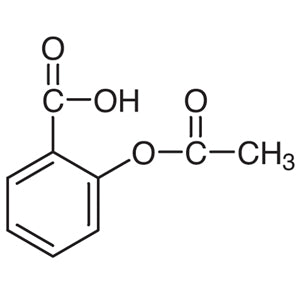
AcetylsalicylicAcid TCI A2262
Regular price From Rp 530.250,00Regular priceRp 386.400,00Sale price From Rp 530.250,00 -
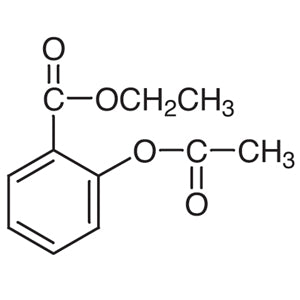
EthylAcetylsalicylate TCI A1592
Regular price Rp 2.411.850,00Regular priceRp 1.702.050,00Sale price Rp 2.411.850,00 -
Methyl5-Acetylsalicylate TCI M1658
Regular price From Rp 1.829.100,00Regular priceRp 1.294.650,00Sale price From Rp 1.829.100,00 -
5-Acetylsalicylamide TCI A1156
Regular price Rp 1.246.350,00Regular priceRp 887.250,00Sale price Rp 1.246.350,00 -
Anthraquinone-2-carbonylChloride TCI A0503
Regular price From Rp 3.232.950,00Regular priceRp 2.276.400,00Sale price From Rp 3.232.950,00 -
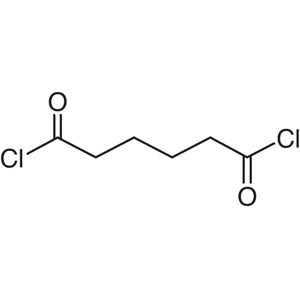
AdipoylChloride TCI A0169
Regular price From Rp 1.272.600,00Regular priceRp 905.100,00Sale price From Rp 1.272.600,00