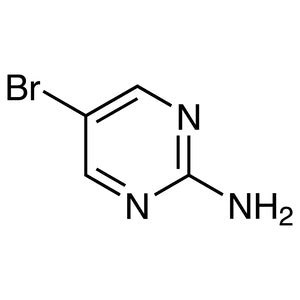
2-Amino-5-bromopyrimidine is a chemical compound widely used as a foundational building block in the synthesis of complex heterocyclic compounds. In laboratory settings, it plays a crucial role in organic chemistry, particularly in the development of molecules with biological activity. Its structural versatility makes it an essential reagent for researchers aiming to create new compounds with specific functional properties. This compound is commonly employed in synthetic pathways that require the formation of pyrimidine-based structures, which are fundamental to many biological molecules, including DNA and RNA.
The chemical properties of 2-Amino-5-bromopyrimidine, including its stability and reactivity, make it a preferred choice for various synthetic reactions. The presence of both amino and bromo functional groups enhances its reactivity, allowing it to participate in substitution and cyclization reactions. These characteristics enable chemists to tailor the compound for specific applications in pharmaceutical and medicinal chemistry. Its ability to form diverse derivatives also supports its use in the development of new drugs and therapeutic agents.
In Indonesian laboratories, 2-Amino-5-bromopyrimidine is commonly used in scientific research related to the synthesis of pharmacologically active compounds. It is a key component in studies aimed at developing new drugs or improving existing molecular structures. Researchers in pharmaceutical and organic chemistry rely on this compound to explore its potential in creating compounds with targeted biological effects. Its widespread use in academic and research institutions underscores its importance in advancing chemical and biological sciences in Indonesia.
- Used in pharmaceutical research for the synthesis of novel drug candidates due to its structural versatility and reactivity.
- Applied in organic chemistry for the development of heterocyclic compounds with potential biological activity.
- Employed in medicinal chemistry to create derivatives with specific functional groups for therapeutic applications.
- Utilized in academic research for the study of pyrimidine-based molecules and their biological relevance.
- Integrated into drug discovery programs to modify molecular structures and enhance pharmacological properties.
| Brand | TCI |
|---|---|
| CAS number | 7752-82-1 |
| Molecular formula | — |
| Purity | — |
| Category | Chemistry > Building Blocks > Heterocyclic Building Blocks |
| Pack sizes | Available in various quantities as per supplier specifications |
| Physical form | Solid |
| Storage | Store in a cool, dry place away from light and moisture |
This compound should be stored in a cool, dry environment, away from direct light and moisture to maintain its chemical integrity. It is recommended to use airtight containers to prevent exposure to air and humidity, which could affect its stability. Due to its reactivity, it should be handled with care, using appropriate personal protective equipment such as gloves and safety goggles. It is important to ensure proper ventilation in the laboratory when working with this compound. Avoid contact with incompatible substances to prevent unwanted chemical reactions. Regular monitoring of storage conditions will help preserve the compound's quality and effectiveness for research applications.
—
Produk Terkait
-
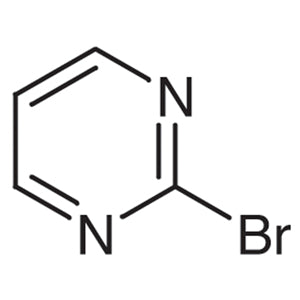
2-Bromopyrimidine TCI B2832
Regular price Rp 1.670.550,00Regular priceRp 1.183.350,00Sale price Rp 1.670.550,00 -
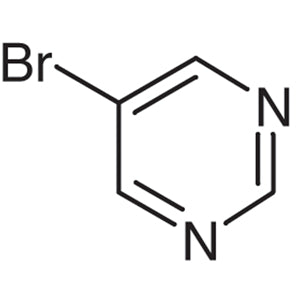
5-Bromopyrimidine TCI B2229
Regular price Rp 1.510.950,00Regular priceRp 1.072.050,00Sale price Rp 1.510.950,00 -
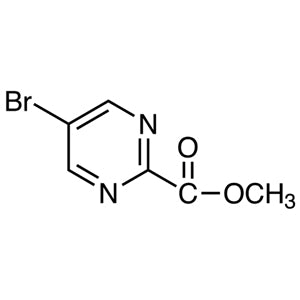
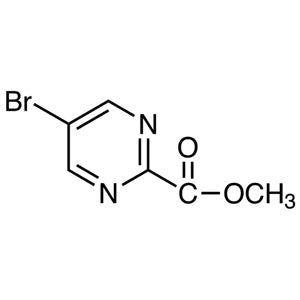
Methyl5-Bromopyrimidine-2-carboxylate TCI M2910
Regular price Rp 742.350,00Regular priceRp 534.450,00Sale price Rp 742.350,00 -
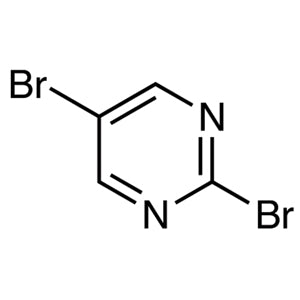
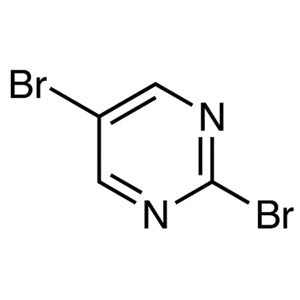
2,5-Dibromopyrimidine TCI D4225
Regular price Rp 1.113.000,00Regular priceRp 793.800,00Sale price Rp 1.113.000,00 -
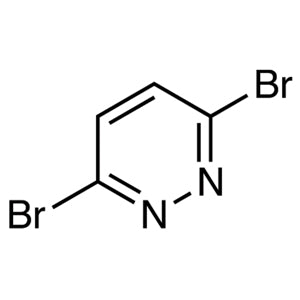
3,6-Dibromopyridazine TCI D5466
Regular price Rp 928.200,00Regular priceRp 664.650,00Sale price Rp 928.200,00 -
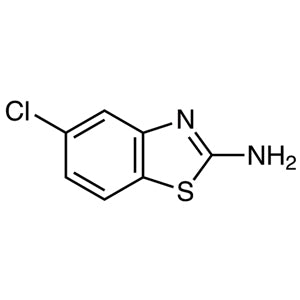
2-Amino-5-chlorobenzothiazole TCI A3177
Regular price Rp 822.150,00Regular priceRp 590.100,00Sale price Rp 822.150,00 -
4-Amino-5,6-dichloropyrimidine TCI A3058
Regular price Rp 900.900,00Regular priceRp 645.750,00Sale price Rp 900.900,00 -
3-Amino-4-bromo-5-methylpyrazole TCI A2970
Regular price Rp 742.350,00Regular priceRp 534.450,00Sale price Rp 742.350,00