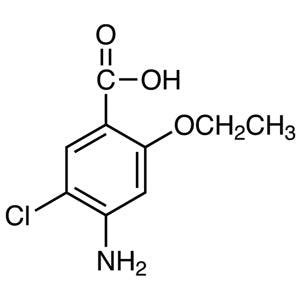
4-Amino-5-chloro-2-ethoxybenzoic Acid is a versatile organic compound widely used in laboratory settings for synthetic chemistry applications. As a building block in the field of organic chemistry, it plays a crucial role in the development of complex molecules with specific functional groups. This compound is commonly utilized in research focused on pharmaceuticals, industrial chemicals, and material sciences due to its structural versatility and reactivity. Its presence in various chemical reactions allows scientists to explore new pathways in molecular design and functionalization.
The compound's unique combination of functional groups—amino, chloro, and ethoxy—makes it a preferred choice for synthetic chemists. These groups contribute to its ability to participate in a range of chemical reactions, including substitution, reduction, and coupling reactions. Its solubility in organic solvents further enhances its utility in laboratory procedures. Additionally, its stable molecular structure ensures consistent performance and reliability in experimental conditions, making it a reliable reagent for both academic and industrial research.
In Indonesian laboratories, 4-Amino-5-chloro-2-ethoxybenzoic Acid is extensively used by researchers in pharmaceutical, organic chemistry, and materials science fields. It is a key component in the development of new drugs and advanced materials, supporting both academic research and industrial innovation. Its availability through AMI Scientific ensures that Indonesian scientists have access to high-quality reagents for their experiments and studies.
Related TCI products
- Pharmaceutical research utilizes this compound for the synthesis of bioactive molecules due to its functional groups that can be modified to target specific biological activities.
- Organic chemistry laboratories use it as a starting material for the development of complex organic molecules through various synthetic pathways.
- Material science applications benefit from its structural versatility, allowing for the creation of new polymers and functional materials with tailored properties.
- Academic institutions incorporate it into undergraduate and graduate research projects to teach synthetic methods and molecular design principles.
- Industrial chemical processes rely on its reactivity and solubility to produce a wide range of chemical intermediates and specialty compounds.
| Brand | TCI |
|---|---|
| CAS number | 108282-38-8 |
| Molecular formula | — |
| Purity | — |
| Category | Chemistry > Building Blocks > Non-Heterocyclic Building Blocks |
| Pack sizes | Available in various quantities as per standard laboratory supply formats |
| Physical form | Solid powder |
| Storage | Store in a cool, dry place away from light and moisture |
This compound should be stored in a cool, dry environment, away from direct sunlight and moisture to maintain its chemical integrity. It is recommended to use airtight containers to prevent exposure to air and humidity, which could affect its stability. Due to its organic nature, it should be handled in a well-ventilated area to minimize inhalation risks. Laboratory personnel should wear appropriate personal protective equipment, such as gloves and safety goggles, when handling the compound. It is important to ensure that the compound is kept separate from incompatible substances to avoid any potential chemical interactions. Proper labeling and storage practices help ensure the safety and effectiveness of the compound in laboratory settings.
—
Produk Terkait
-
4-EthoxybenzoicAcid TCI E0045
Regular price Rp 848.400,00Regular price -
2-EthoxybenzoicAcid TCI E0044
Regular price From Rp 743.400,00Regular price -
2-Amino-3-hydroxyanthraquinone TCI A0315
Regular price From Rp 903.000,00Regular price -
2-Amino-5-chlorobenzophenone TCI A0079
Regular price From Rp 848.400,00Regular price -
1-[(tert-Butoxycarbonyl)amino]cyclopropanecarboxylicAcid TCI B3138
Regular price From Rp 3.155.250,00Regular price -
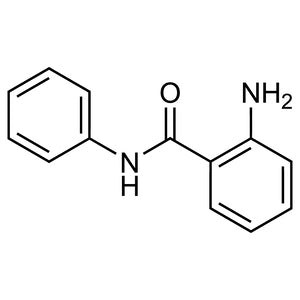
2-Amino-N-phenylbenzamide TCI A3723
Regular price From Rp 2.518.950,00Regular price -
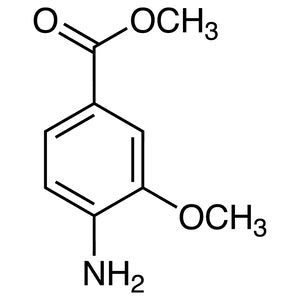
Methyl4-Amino-3-methoxybenzoate TCI A3716
Regular price From Rp 2.094.750,00Regular price -
Methyl4-Amino-3-hydroxybenzoate TCI A3639
Regular price From Rp 2.041.200,00Regular price


![88950-64-5 1-[(tert-Butoxycarbonyl)amino]cyclopropanecarboxylic Acid - AMI Scientific](http://amiscientific.com/cdn/shop/files/TCI2510B3138_3da4dad5-c988-4e8e-86d8-9751f23eec24.jpg?v=1767431495&width=533)