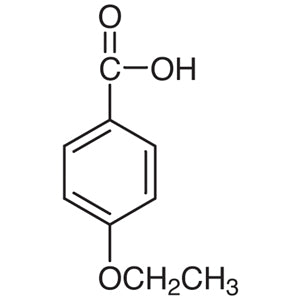
4-Ethoxybenzoic Acid is a chemical compound widely used in laboratory settings for the synthesis of complex organic molecules. As a key building block in organic chemistry, it serves as a versatile starting material for various chemical reactions. Its presence in laboratory environments is crucial for researchers and students engaged in synthetic chemistry. This compound is commonly used in academic and industrial research to develop new compounds and materials. Its role in chemical synthesis makes it an essential reagent for those working in the field of organic chemistry.
The compound's molecular structure, featuring both a carboxylic acid group and an ethoxy group, contributes to its high reactivity. These functional groups enable it to participate in a range of chemical transformations, including esterification, hydrolysis, and substitution reactions. Its chemical stability and availability make it a preferred choice for laboratory applications. The presence of these reactive groups allows for the creation of a wide array of derivatives, making it a valuable tool in synthetic chemistry. Its predictable behavior under different reaction conditions further enhances its utility in the laboratory.
In Indonesian laboratories, 4-Ethoxybenzoic Acid is frequently used in scientific research and educational settings. It supports both undergraduate and postgraduate studies in organic chemistry, enabling students to gain hands-on experience with synthetic processes. Its availability in the local market ensures that it is accessible for use in various research projects. This compound plays a significant role in advancing chemical research and education in Indonesia.
- Organic Synthesis: This compound is ideal for creating complex organic molecules due to its reactive functional groups, making it suitable for esterification and substitution reactions.
- Educational Research: It is commonly used in academic settings to teach students about chemical synthesis and reaction mechanisms.
- Reagent in Hydrolysis Reactions: Its carboxylic acid group makes it a valuable reagent for hydrolysis processes in organic chemistry.
- Substitution Reaction Studies: The ethoxy group allows it to participate in substitution reactions, making it useful for studying reaction pathways.
- Compound Derivative Development: Its structure enables the synthesis of various derivatives, supporting research into new chemical compounds.
| Brand | TCI |
|---|---|
| CAS number | 619-86-3 |
| Molecular formula | — |
| Purity | — |
| Category | Chemistry > Building Blocks > Non-Heterocyclic Building Blocks |
| Pack sizes | Available in various quantities as per standard laboratory supply |
| Physical form | Solid, crystalline |
| Storage | Store in a cool, dry place away from direct sunlight |
4-Ethoxybenzoic Acid should be stored in a cool, dry place, away from direct sunlight and moisture. It is recommended to keep it in a tightly sealed container to prevent exposure to air and humidity. Due to its chemical nature, it should be handled with appropriate personal protective equipment, such as gloves and safety goggles. It is important to store it in a well-ventilated area to minimize any potential vapour exposure. Avoid contact with incompatible materials such as strong bases or oxidizing agents. Proper storage ensures the compound remains stable and safe for use in laboratory settings.
—
Produk Terkait
-
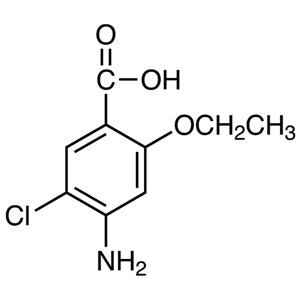
4-Amino-5-chloro-2-ethoxybenzoicAcid TCI A1941
Regular price From Rp 1.035.300,00Regular price -
2-EthoxybenzoicAcid TCI E0044
Regular price From Rp 743.400,00Regular price -
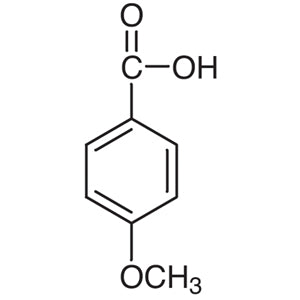
p-AnisicAcid TCI A0482
Regular price Rp 505.050,00Regular price -
4-BenzyloxybenzoicAcid TCI B1665
Regular price From Rp 1.485.750,00Regular price -
4-ButoxybenzoicAcid TCI B0896
Regular price Rp 1.856.400,00Regular price -
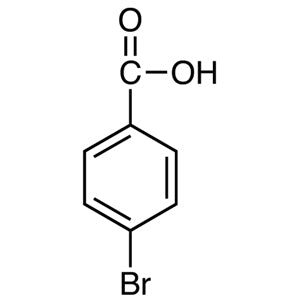
4-BromobenzoicAcid TCI B0553
Regular price From Rp 1.565.550,00Regular price -
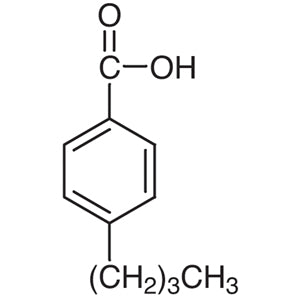
4-ButylbenzoicAcid TCI B0241
Regular price From Rp 477.750,00Regular price -
4-AcetylbenzoicAcid TCI A1024
Regular price From Rp 795.900,00Regular price