4-Bromobenzoic Acid is a chemical compound widely used in organic laboratory reactions. As a building block in chemical synthesis, it plays a crucial role in the development of complex molecules. Its presence in the category of non-heterocyclic building blocks highlights its importance in foundational chemical research. This compound is particularly valuable for its reactivity, making it a versatile reagent in various synthetic pathways. Its unique structure allows it to participate in substitution reactions and other organic transformations, offering researchers a reliable tool for their experiments.
The compound's high reactivity is due to the presence of the bromo group, which imparts electron-withdrawing properties. This characteristic makes it ideal for use in electrophilic substitution reactions. Additionally, its good solubility in organic solvents enhances its utility in diverse experimental setups. The stable molecular structure ensures ease of handling and storage, while its predictable chemical behavior allows for accurate reaction planning. These properties make it a preferred choice for chemists working in both academic and industrial settings.
In Indonesian laboratories, 4-Bromobenzoic Acid is extensively used in organic chemistry research, particularly in pharmaceutical and industrial chemistry applications. It is commonly employed in the synthesis of aromatic compounds, medicinal drugs, and other chemical substances. Its availability and reliability make it a staple in the chemical supply chain, supporting ongoing research and development efforts in the region.
TCI brochures (PDF)
- Organic synthesis applications benefit from 4-Bromobenzoic Acid due to its reactivity and solubility in organic solvents, enabling efficient reaction conditions.
- Pharmaceutical research utilizes this compound for the development of new drugs, as it serves as a key intermediate in the synthesis of various medicinal compounds.
- Industrial chemistry applications rely on 4-Bromobenzoic Acid for the production of aromatic compounds and specialty chemicals, supporting diverse manufacturing processes.
- Teaching laboratories use this compound to demonstrate substitution reactions and molecular structure concepts, enhancing student understanding of organic chemistry.
- Environmental studies may incorporate this compound for analyzing chemical behavior in different reaction environments, aiding in the study of chemical degradation processes.
From the TCI brochure
- Substrate in condensation reaction with R0274 in water, 30 °C, 24 h
| Brand | TCI |
|---|---|
| CAS number | 586-76-5 |
| Molecular formula | — |
| Purity | — |
| Category | Chemistry > Building Blocks > Non-Heterocyclic Building Blocks |
| Pack sizes | Available in various quantities as per standard chemical supply practices |
| Physical form | Solid, crystalline appearance |
| Storage | Store in a cool, dry place away from direct sunlight and moisture |
4-Bromobenzoic Acid should be stored in a cool, dry environment to maintain its chemical integrity. It is recommended to keep it in a sealed container to prevent exposure to moisture and air, which can affect its stability. The compound is typically stored in glass or polyethylene containers to ensure compatibility and prevent contamination. Due to its reactivity, it should be handled with care, using appropriate personal protective equipment such as gloves and safety goggles. It is important to store it away from incompatible substances to avoid any potential chemical interactions. Proper labeling and storage conditions help ensure the safety and effectiveness of the compound in laboratory settings.
—
Product Categories
Produk Terkait
-
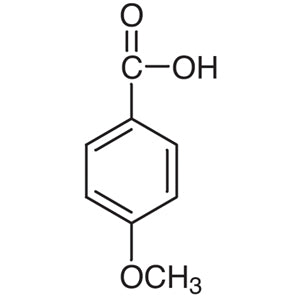
p-AnisicAcid TCI A0482
Regular price Rp 557.550,00Regular priceRp 405.300,00Sale price Rp 557.550,00 -
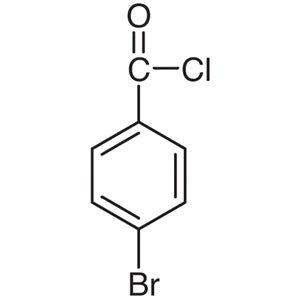
4-BromobenzoylChloride TCI B0558
Regular price From Rp 2.147.250,00Regular priceRp 1.517.250,00Sale price From Rp 2.147.250,00 -
2-BromobenzoicAcid TCI B0552
Regular price From Rp 955.500,00Regular priceRp 683.550,00Sale price From Rp 955.500,00 -
3-BromobenzoicAcid TCI B0551
Regular price From Rp 2.093.700,00Regular priceRp 1.479.450,00Sale price From Rp 2.093.700,00 -
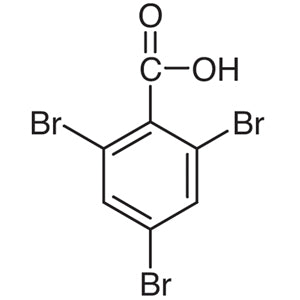
2,4,6-TribromobenzoicAcid TCI T0619
Regular price From Rp 1.749.300,00Regular priceRp 1.239.000,00Sale price From Rp 1.749.300,00 -
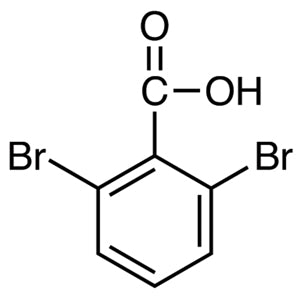
2,6-DibromobenzoicAcid TCI D5485
Regular price From Rp 2.411.850,00Regular priceRp 1.702.050,00Sale price From Rp 2.411.850,00 -
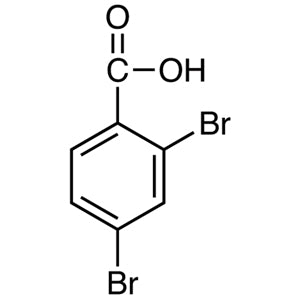
2,4-DibromobenzoicAcid TCI D4278
Regular price From Rp 1.192.800,00Regular priceRp 849.450,00Sale price From Rp 1.192.800,00 -
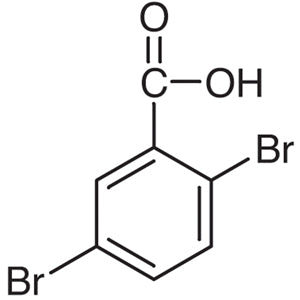
2,5-DibromobenzoicAcid TCI D3439
Regular price From Rp 769.650,00Regular priceRp 553.350,00Sale price From Rp 769.650,00