3-Amino-4-methoxybenzanilide is a chemical compound widely used as a building block in the synthesis of complex molecules. It plays a crucial role in organic chemistry laboratories, where it serves as a foundational element for creating more intricate chemical structures. This compound is particularly valuable for its versatility in participating in various chemical reactions, making it an essential tool for researchers seeking to develop new compounds with specific functional properties. Its presence in the category of non-heterocyclic building blocks highlights its utility in a broad range of synthetic pathways.
The compound is known for its stable molecular structure and moderate reactivity, which make it a preferred choice for laboratory use. Its predictable chemical behavior allows chemists to reliably control reaction outcomes, ensuring consistency in experimental results. Additionally, its availability in solid form simplifies handling, storage, and integration into laboratory workflows. These characteristics contribute to its popularity among researchers who require dependable and efficient chemical intermediates for their work.
In Indonesian laboratories, 3-Amino-4-methoxybenzanilide is commonly used in organic chemistry and pharmacological research. It is a key component in the development of new pharmaceutical compounds and industrial chemicals. Many research institutions and universities in Indonesia rely on this compound to advance their studies in drug discovery and chemical synthesis. Its application extends to both academic and industrial settings, supporting innovation in the chemical sciences.
Related TCI products
- Synthesis of Complex Molecules: This compound is ideal for constructing more complex chemical structures due to its versatile functional groups.
- Organic Chemistry Research: It is frequently used in studies aimed at developing new compounds with specific biological activities.
- Pharmaceutical Development: Its role in creating new drug candidates makes it valuable in pharmacological research.
- Industrial Chemical Synthesis: It supports the production of various chemical products used in different industries.
- Academic Teaching and Research: It is a standard material used in both teaching and research activities in chemical laboratories.
| Brand | TCI |
|---|---|
| CAS number | 120-35-4 |
| Molecular formula | — |
| Purity | — |
| Category | Chemistry > Building Blocks > Non-Heterocyclic Building Blocks |
| Pack sizes | Available in standard laboratory quantities |
| Physical form | Solid |
| Storage | Store in a cool, dry place away from light |
This compound should be stored in a cool, dry environment, away from direct sunlight and sources of heat. It is recommended to use airtight containers to prevent moisture absorption and maintain its chemical integrity. Due to its solid form, it is easy to handle and measure in laboratory settings. General laboratory precautions include wearing appropriate personal protective equipment when handling the compound to ensure safety. It should be kept in a well-ventilated area to minimize exposure to any potential fumes. Proper storage ensures the compound remains stable and suitable for use in chemical reactions and research applications.
—
Produk Terkait
-
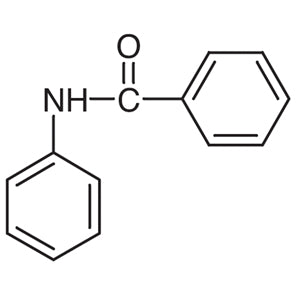
Benzanilide TCI B0016
Regular price From Rp 662.550,00Regular priceRp 478.800,00Sale price From Rp 662.550,00 -
4'-Nitrobenzanilide TCI N0396
Regular price Rp 2.518.950,00Regular priceRp 1.776.600,00Sale price Rp 2.518.950,00 -
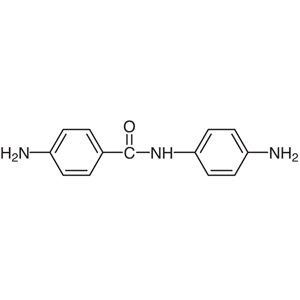
4,4'-Diaminobenzanilide TCI D2005
Regular price From Rp 955.500,00Regular priceRp 683.550,00Sale price From Rp 955.500,00 -
2-Amino-3-hydroxyanthraquinone TCI A0315
Regular price From Rp 903.000,00Regular priceRp 631.050,00Sale price From Rp 903.000,00 -
2-Amino-5-chlorobenzophenone TCI A0079
Regular price From Rp 900.900,00Regular priceRp 645.750,00Sale price From Rp 900.900,00 -
1-[(tert-Butoxycarbonyl)amino]cyclopropanecarboxylicAcid TCI B3138
Regular price From Rp 3.207.750,00Regular priceRp 2.258.550,00Sale price From Rp 3.207.750,00 -
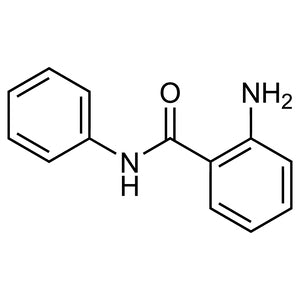
2-Amino-N-phenylbenzamide TCI A3723
Regular price From Rp 2.571.450,00Regular priceRp 1.813.350,00Sale price From Rp 2.571.450,00 -
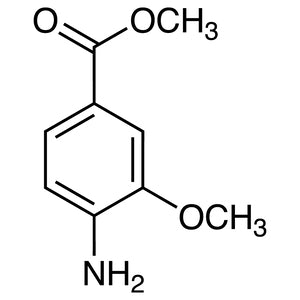
Methyl4-Amino-3-methoxybenzoate TCI A3716
Regular price From Rp 2.147.250,00Regular priceRp 1.517.250,00Sale price From Rp 2.147.250,00