Benzanilide is a chemical compound widely used as a foundational building block in organic synthesis. It is a versatile intermediate that plays a crucial role in the development of various organic compounds, including pharmaceuticals, industrial chemicals, and analytical reagents. Its aromatic structure, combined with an amine group attached to a benzene ring, makes it a key component in many synthetic pathways. In the laboratory, benzanilide is valued for its ability to participate in multiple chemical reactions, such as substitution and condensation, making it an essential tool for chemists working on complex molecule synthesis.
The chemical properties of benzanilide contribute to its popularity in laboratory settings. It exhibits stability under certain conditions but remains reactive to environmental factors, allowing it to be used in a variety of reaction conditions. Its relatively high melting and boiling points make it suitable for high-temperature synthesis processes. Additionally, its compatibility with various reagents and solvents enhances its utility in both research and industrial applications. These characteristics make benzanilide a preferred choice for chemists seeking reliable and effective building blocks.
In Indonesian laboratories, benzanilide is commonly used in organic chemistry research, particularly in the fields of pharmaceutical development, industrial chemistry, and analytical chemistry. Its role in the synthesis of new compounds with potential applications in various industries makes it a highly sought-after material. Researchers in Indonesia rely on benzanilide for its reliability and effectiveness in chemical synthesis, supporting advancements in both academic and industrial sectors.
- Organic synthesis in pharmaceutical research due to its ability to participate in substitution and condensation reactions.
- Development of industrial chemicals as a building block for creating complex molecular structures.
- Analytical chemistry applications for its stability and compatibility with various analytical techniques.
- Drug discovery processes where benzanilide is used to synthesize potential therapeutic compounds.
- Educational and research purposes in Indonesian universities and research institutions for teaching and experimentation.
| Brand | TCI |
|---|---|
| CAS number | 93-98-1 |
| Molecular formula | — |
| Purity | — |
| Category | Chemistry > Building Blocks > Non-Heterocyclic Building Blocks |
| Pack sizes | Available in standard laboratory quantities |
| Physical form | Solid |
| Storage | Store in a cool, dry place away from direct sunlight |
Benzanilide should be stored in a cool, dry environment to maintain its chemical stability. It is recommended to keep it in a sealed container to prevent exposure to moisture and air, which may affect its reactivity. Suitable containers for storage include glass or high-density polyethylene (HDPE) bottles, which provide protection against chemical degradation. In laboratory settings, it is important to handle benzanilide with care, using appropriate personal protective equipment such as gloves and safety goggles. Proper ventilation should be maintained when working with this compound to minimize inhalation risks. Due to its reactivity, it should be stored away from incompatible substances like strong oxidizing agents to ensure safety and maintain its chemical integrity.
—
Produk Terkait
-
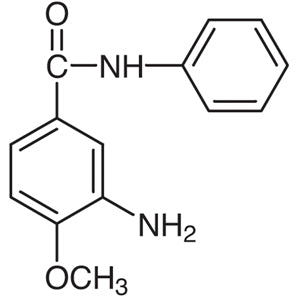
3-Amino-4-methoxybenzanilide TCI A1954
Regular price Rp 1.776.600,00Regular priceRp 1.257.900,00Sale price Rp 1.776.600,00 -
4'-Nitrobenzanilide TCI N0396
Regular price Rp 2.518.950,00Regular priceRp 1.776.600,00Sale price Rp 2.518.950,00 -
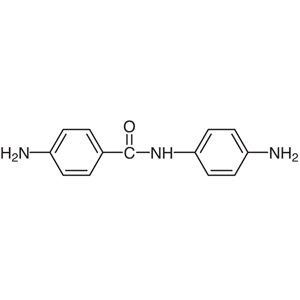
4,4'-Diaminobenzanilide TCI D2005
Regular price From Rp 955.500,00Regular priceRp 683.550,00Sale price From Rp 955.500,00