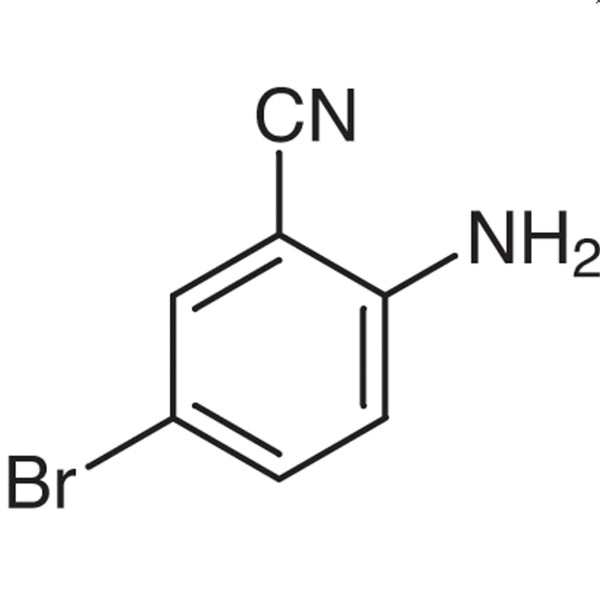
2-Amino-5-bromobenzonitrile is a chemical compound widely used in organic synthesis reactions within laboratory settings. It serves as a key building block for the development of complex organic molecules, including pharmaceuticals and industrial chemicals. Its unique molecular structure, featuring an amino group, bromo substituent, and nitrile functionality, makes it highly versatile in various synthetic pathways. This compound is particularly valuable for its ability to participate in multiple reaction types, such as substitution, aromatic reactions, and molecular coupling. Due to its reactivity and structural adaptability, it is a preferred material for researchers aiming to synthesize compounds with specific biological or chemical properties.
The compound’s reactivity stems from the presence of both the bromo and nitrile groups, which are known to interact readily with a variety of reagents. These functional groups contribute to the compound’s ability to undergo a wide range of chemical transformations, making it a reliable choice for synthetic chemists. Additionally, its stable yet flexible molecular framework allows it to be used in both acidic and basic conditions, enhancing its applicability in diverse experimental setups. These properties make it a popular choice in both academic and industrial research environments.
In Indonesian laboratories, 2-Amino-5-bromobenzonitrile is frequently utilized in organic chemistry and pharmaceutical research. It is commonly found in experiments aimed at synthesizing new compounds with potential therapeutic applications. Its role in developing bioactive molecules has made it an essential component in many research projects, contributing to the advancement of chemical science in the region.
- Organic synthesis is a primary application where this compound is used to create complex molecules with specific functional groups.
- Pharmaceutical research benefits from its ability to participate in various reaction mechanisms, aiding in drug development.
- Industrial chemical production utilizes its reactivity to synthesize intermediates for a wide range of applications.
- Bioactive compound development relies on its structural versatility to generate molecules with desired biological activity.
- Academic research in chemical sciences employs it as a fundamental building block for teaching and experimental studies.
| Brand | TCI |
|---|---|
| CAS number | 39263-32-6 |
| Molecular formula | — |
| Purity | — |
| Category | Chemistry > Building Blocks > Non-Heterocyclic Building Blocks |
| Pack sizes | Available in various quantities as per standard laboratory supply |
| Physical form | Solid |
| Storage | Store in a cool, dry place away from moisture and direct sunlight |
This compound should be stored in a cool, dry environment to maintain its chemical integrity. It is recommended to use airtight containers to prevent exposure to moisture and air, which can affect its reactivity. Due to its reactive nature, it should be handled with appropriate personal protective equipment, including gloves and safety goggles. It is important to ensure that it is stored away from incompatible substances such as strong oxidizers or acids. Proper labeling of containers is essential for safe handling and to prevent accidental exposure. Always follow standard laboratory safety protocols when working with this compound.
—
Produk Terkait
-
4-Amino-3-bromobenzonitrile TCI A1961
Regular price Rp 1.908.900,00Regular price -
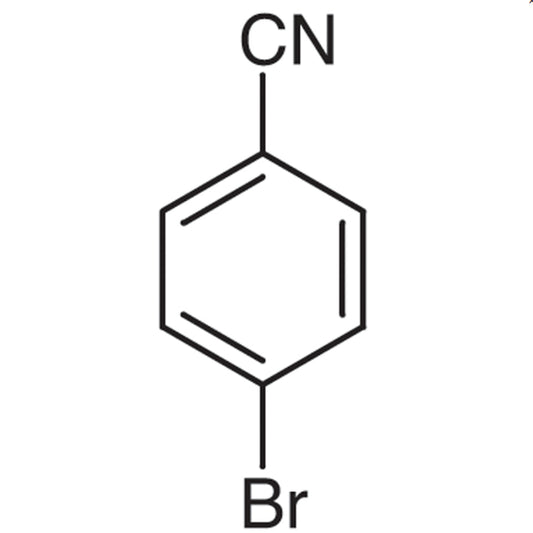
4-Bromobenzonitrile TCI B1426
Regular price From Rp 2.041.200,00Regular price -
2-Bromobenzonitrile TCI B1369
Regular price From Rp 689.850,00Regular price -
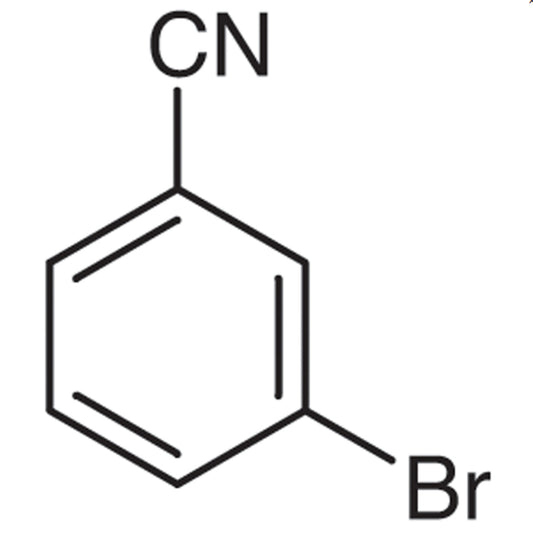
3-Bromobenzonitrile TCI B1227
Regular price Rp 1.405.950,00Regular price -
3,5-Dibromobenzonitrile TCI D5049
Regular price From Rp 1.298.850,00Regular price -
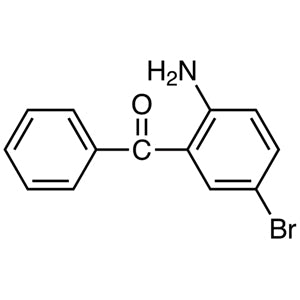
2-Amino-5-bromobenzophenone TCI A3311
Regular price From Rp 743.400,00Regular price -
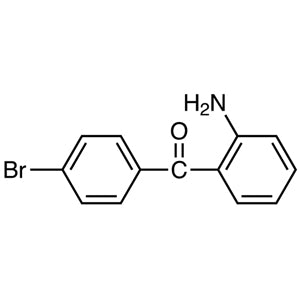
2-Amino-4'-bromobenzophenone TCI A3162
Regular price From Rp 795.900,00Regular price -
3-Amino-5-bromobenzotrifluoride TCI A1914
Regular price From Rp 689.850,00Regular price