

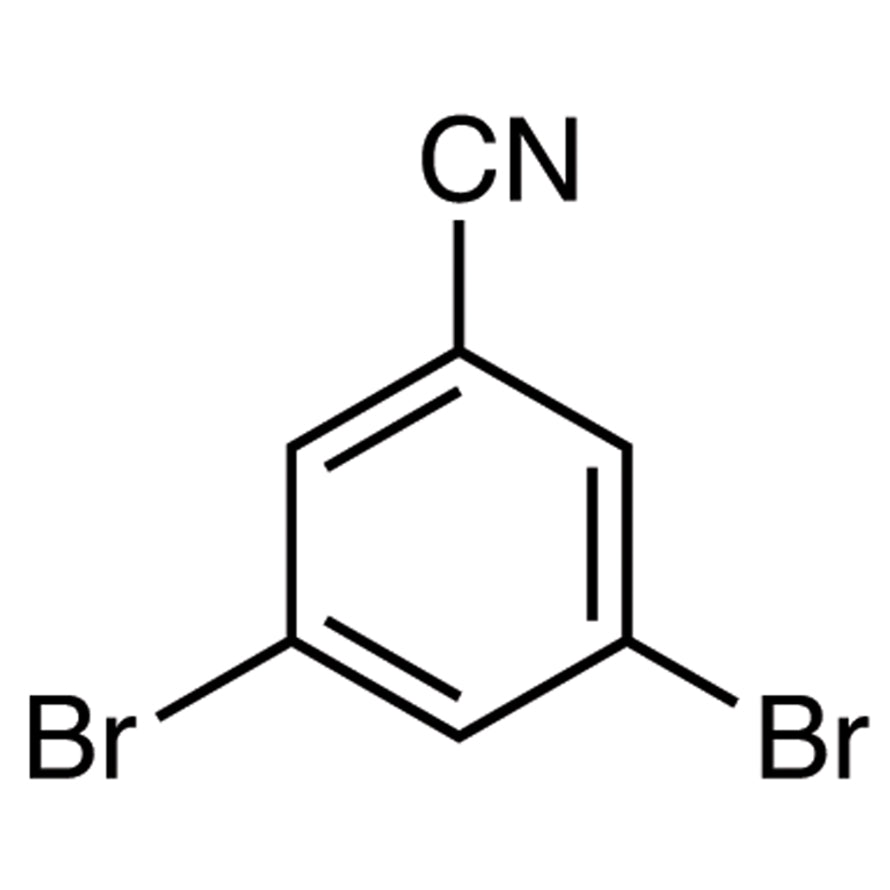
3,5-Dibromobenzonitrile is a chemical compound widely used as a building block in organic synthesis. It serves as a versatile intermediate in the creation of complex organic molecules, particularly in laboratory settings where precise chemical reactions are required. This compound contains a benzene ring with two bromine atoms at positions 3 and 5, along with a nitrile group at position 1. Its structural features make it a valuable tool for chemists working on diverse synthetic pathways. Due to its reactivity and stability under controlled conditions, it is frequently utilized in both academic and industrial research environments.
The compound's unique combination of bromo and nitrile groups provides it with high reactivity, making it suitable for various chemical transformations. These include electrophilic substitution reactions and coupling reactions, which are essential in the development of new compounds with specific functional groups. Its chemical stability in certain conditions allows it to be stored and handled safely, while still maintaining its reactivity when needed. This balance of stability and reactivity makes it an ideal choice for researchers aiming to control reaction outcomes with precision.
In Indonesian laboratories, 3,5-Dibromobenzonitrile is commonly used in organic chemistry research, including the synthesis of pharmaceutical compounds, polymers, and functional materials. Its availability and chemical properties make it a relevant and practical choice for institutions engaged in chemical innovation and development. The compound's role in supporting advanced research underscores its importance in the scientific community.
- Organic synthesis is a key application where 3,5-Dibromobenzonitrile serves as a versatile building block for creating complex molecular structures.
- Pharmaceutical research benefits from its reactivity, allowing chemists to develop new drug compounds with specific functional groups.
- Polymer chemistry utilizes this compound in the synthesis of functional materials with tailored properties.
- Functional material development relies on its ability to participate in various chemical reactions, enabling the creation of advanced materials.
- Academic research in chemistry often incorporates this compound to explore new synthetic methodologies and reaction mechanisms.
| Brand | TCI |
|---|---|
| CAS number | 97165-77-0 |
| Molecular formula | — |
| Purity | — |
| Category | Chemistry > Building Blocks > Non-Heterocyclic Building Blocks |
| Pack sizes | Available in standard laboratory quantities as per supplier specifications |
| Physical form | Solid, typically in crystalline or powder form |
| Storage | Store in a cool, dry place away from light and incompatible materials |
3,5-Dibromobenzonitrile should be stored in a cool, dry environment to maintain its chemical stability. It is recommended to keep it in a sealed container to prevent exposure to moisture and air. Due to its reactivity with strong acids and alkalis, it should be stored separately from incompatible substances. Proper ventilation is essential when handling this compound to minimize inhalation risks. Laboratory personnel should wear appropriate personal protective equipment, including gloves and safety goggles, when working with this material. Regular monitoring of storage conditions ensures the compound remains safe and effective for use in chemical research.
—
Produk Terkait
-
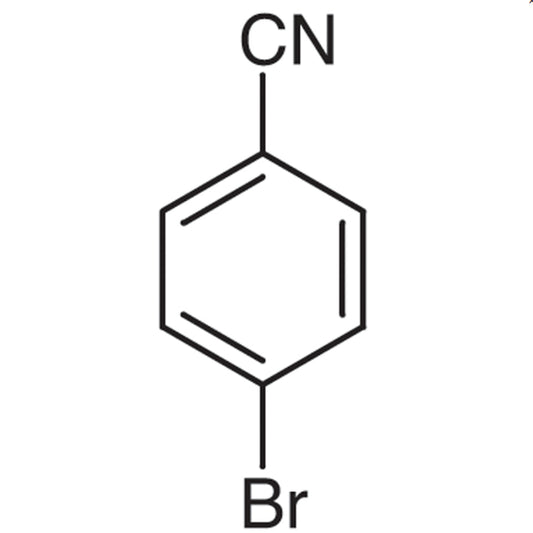
4-Bromobenzonitrile TCI B1426
Regular price From Rp 2.041.200,00Regular price -
2-Bromobenzonitrile TCI B1369
Regular price From Rp 689.850,00Regular price -
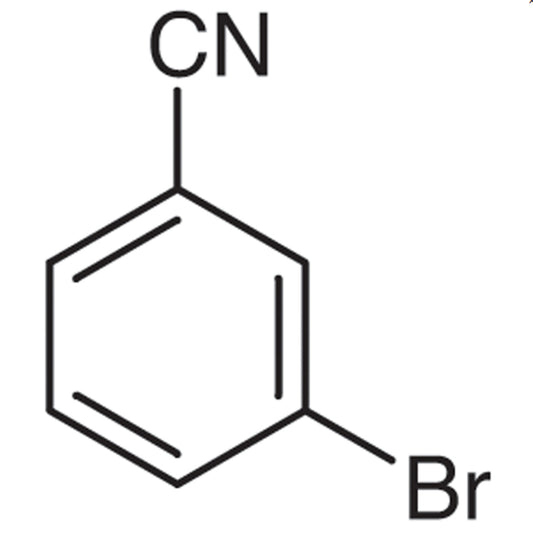
3-Bromobenzonitrile TCI B1227
Regular price Rp 1.405.950,00Regular price -
4-Amino-3-bromobenzonitrile TCI A1961
Regular price Rp 1.908.900,00Regular price -
2-Amino-5-bromobenzonitrile TCI A1960
Regular price From Rp 1.008.000,00Regular price -
3,6-Dibromobenzene-1,2-diamine TCI D4974
Regular price From Rp 2.094.750,00Regular price -
7-Bromobenzo[b]thiophene TCI B4829
Regular price From Rp 903.000,00Regular price -
5-Bromobenzo[b]thiophene TCI B3762
Regular price From Rp 1.776.600,00Regular price





![1423-61-6 7-Bromobenzo[b]thiophene - AMI Scientific](http://amiscientific.com/cdn/shop/files/TCI2510B4829_1423b9bf-a9c7-428f-b684-883de41d8581.jpg?v=1767853888&width=533)
![4923-87-9 5-Bromobenzo[b]thiophene - AMI Scientific](http://amiscientific.com/cdn/shop/files/TCI2510B3762.jpg?v=1769179914&width=533)