Allyl Acetoacetate is a chemical compound widely used in laboratory settings, particularly in the synthesis of polymers and complex organic compounds. As a monomer, it serves as a fundamental building block in polymerization reactions, enabling the formation of long-chain molecules. Its reactivity makes it a valuable reagent in materials science, where it contributes to the development of new materials with tailored properties. This compound plays a crucial role in chemical reactions that require high reactivity and stability under various conditions.
The chemical and physical properties of Allyl Acetoacetate make it a preferred choice for laboratory applications. It is a clear liquid with a distinct odor, which facilitates easy identification. Its molecular structure allows for high reactivity, making it suitable for a wide range of chemical transformations. The compound’s stability under controlled conditions ensures reliable performance in experimental setups. These characteristics make it an essential component in both academic and industrial research environments.
In Indonesian laboratories, Allyl Acetoacetate is commonly used in scientific research and the development of chemical products. It is particularly relevant for higher education institutions, research organizations, and companies engaged in polymer and organic compound development. Its availability in the local market supports efficient access and utilization by researchers and scientists working on advanced chemical projects.
TCI brochures (PDF)
- Biomaterials Research Reagents 2025-02-19 · p. 16
- Monomers 2025-05-28 · p. 17
- Polymer synthesis and modification: Allyl Acetoacetate is ideal for creating and altering polymer structures due to its reactivity and ability to form new chemical bonds.
- Organic compound synthesis: It serves as a versatile reagent in the preparation of complex organic molecules, supporting a variety of reaction mechanisms.
- Research and development in materials science: The compound is used to develop new materials with specific properties, contributing to innovation in industrial applications.
- Educational purposes in chemistry laboratories: It is a valuable teaching tool for demonstrating polymerization and chemical reactivity in academic settings.
- Chemical process optimization: Its stability and reactivity make it suitable for refining and improving chemical processes in both academic and industrial contexts.
| Brand | TCI |
|---|---|
| CAS number | 1118-84-9 |
| Molecular formula | — |
| Purity | — |
| Category | Materials Science > Polymer/Macromolecule Reagents > Monomers |
| Pack sizes | Available in various quantities as per standard laboratory supply sizes |
| Physical form | Clear liquid |
| Storage | Store in a cool, dry place away from direct sunlight and incompatible substances |
Allyl Acetoacetate should be stored in a cool, dry place, away from direct sunlight and sources of heat. It is recommended to keep the compound in a sealed container to prevent evaporation and contamination. Suitable storage containers include glass or high-density polyethylene (HDPE) bottles, which are resistant to chemical reactions. Due to its reactivity, it should be handled in a well-ventilated area, and appropriate personal protective equipment (PPE) such as gloves and safety goggles should be worn. Avoid contact with incompatible materials such as strong oxidizers or acids. Proper labeling and storage conditions ensure the safety and effectiveness of the compound in laboratory environments.
—
Produk Terkait
-
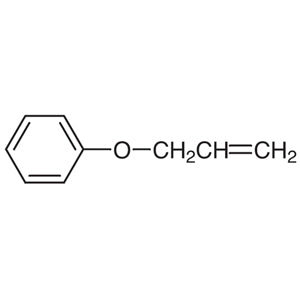
AllylPhenylEther TCI A0234
Regular price From Rp 1.140.300,00Regular priceRp 796.950,00Sale price From Rp 1.140.300,00 -
AllylGlycidylEther TCI A0221
Regular price From Rp 477.750,00Regular priceRp 333.900,00Sale price From Rp 477.750,00 -
AllylAcetate TCI A0020
Regular price From Rp 505.050,00Regular priceRp 352.800,00Sale price From Rp 505.050,00 -
AllylBenzoate TCI B2041
Regular price Rp 2.702.700,00Regular priceRp 1.905.750,00Sale price Rp 2.702.700,00 -
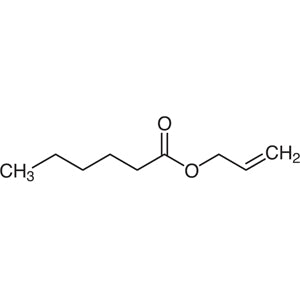
AllylHexanoate TCI A2179
Regular price Rp 689.850,00Regular priceRp 497.700,00Sale price Rp 689.850,00 -
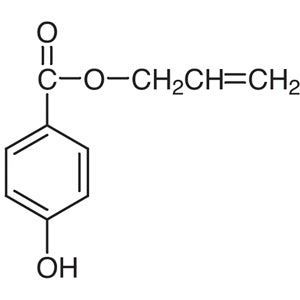
Allyl4-Hydroxybenzoate TCI A1846
Regular price Rp 3.895.500,00Regular priceRp 2.739.450,00Sale price Rp 3.895.500,00 -
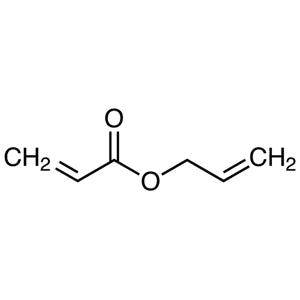
AllylAcrylate(stabilizedwithMEHQ) TCI A1740
Regular price Rp 7.209.300,00Regular priceRp 5.041.050,00Sale price Rp 7.209.300,00 -
AllylBenzylEther TCI A1427
Regular price From Rp 2.332.050,00Regular priceRp 1.630.650,00Sale price From Rp 2.332.050,00