Allyl Hexanoate (TCI A2179), with CAS number 123-68-2, is a chemical compound widely used in laboratory experiments, particularly in the fields of materials science and polymer chemistry. This compound serves as a monomer in the synthesis of organic compounds, playing a crucial role in polymerization reactions. Its molecular structure enables it to participate in various chemical reactions, making it a valuable reagent for researchers aiming to develop new materials or modify existing ones. The compound's stability and reactivity make it a reliable choice for a wide range of experimental applications.
Allyl Hexanoate is known for its chemical stability and moderate reactivity, which are key factors in its popularity among laboratory professionals. Its ability to maintain its properties under various experimental conditions ensures consistent results. Additionally, Allyl Hexanoate has a distinct aroma that can serve as a visual indicator during certain reactions. These characteristics make it a preferred choice for researchers who require both precision and reliability in their experiments. The compound's resistance to degradation further enhances its suitability for long-term storage and use in demanding laboratory environments.
In Indonesian laboratories, Allyl Hexanoate is commonly used in research related to material development and polymer modification. It is a key component in studies aimed at creating new materials with specific properties such as elasticity and mechanical strength. Its presence in Indonesian research institutions highlights its importance in advancing scientific knowledge and innovation in the field of chemistry and materials science.
TCI brochures (PDF)
- Lipids 2025-12-17 · p. 12
- Biomaterials Research Reagents 2025-02-19 · p. 16
- Monomers 2025-05-28 · p. 16
- Polymer synthesis research benefits from Allyl Hexanoate's role as a monomer, enabling the creation of polymers with tailored mechanical and chemical properties.
- Organic chemistry experiments often utilize this compound due to its reactivity and stability, allowing for controlled chemical transformations in synthetic pathways.
- Material development projects rely on Allyl Hexanoate to produce new substances with enhanced physical characteristics, such as flexibility and durability.
- Chemical reaction studies use Allyl Hexanoate as a reagent to investigate reaction mechanisms and kinetic behavior under different conditions.
- Industrial chemistry applications leverage Allyl Hexanoate for the formulation of specialty chemicals and coatings that require specific performance attributes.
| Brand | TCI |
|---|---|
| CAS number | 123-68-2 |
| Molecular formula | — |
| Purity | — |
| Category | Materials Science > Polymer/Macromolecule Reagents > Monomers |
| Pack sizes | Available in various quantities as per supplier specifications |
| Physical form | Liquid |
| Storage | Store in a cool, dark place away from heat and direct sunlight |
Allyl Hexanoate should be stored in a cool, dark place, away from heat and direct sunlight to maintain its chemical stability. It is recommended to use airtight containers made of glass or high-density polyethylene to prevent contamination and evaporation. Due to its moderate reactivity, it should be handled in a well-ventilated area, with appropriate personal protective equipment such as gloves and safety goggles. Avoid exposure to incompatible substances like strong oxidizing agents. Regular monitoring of storage conditions ensures the compound remains suitable for use in laboratory experiments. Proper labeling and storage practices help maintain the integrity of the material and ensure safe handling in all laboratory settings.
—
Product Categories
Produk Terkait
-
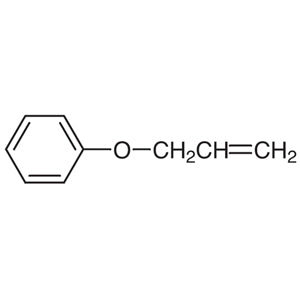
AllylPhenylEther TCI A0234
Regular price From Rp 1.140.300,00Regular priceRp 796.950,00Sale price From Rp 1.140.300,00 -
AllylGlycidylEther TCI A0221
Regular price From Rp 477.750,00Regular priceRp 333.900,00Sale price From Rp 477.750,00 -
AllylAcetate TCI A0020
Regular price From Rp 505.050,00Regular priceRp 352.800,00Sale price From Rp 505.050,00 -
AllylBenzoate TCI B2041
Regular price Rp 2.702.700,00Regular priceRp 1.905.750,00Sale price Rp 2.702.700,00 -
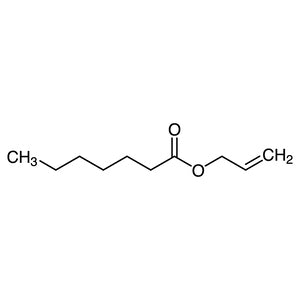
AllylHeptanoate TCI A2119
Regular price From Rp 1.776.600,00Regular priceRp 1.257.900,00Sale price From Rp 1.776.600,00 -
AllylAcetoacetate TCI A1981
Regular price From Rp 928.200,00Regular priceRp 664.650,00Sale price From Rp 928.200,00 -
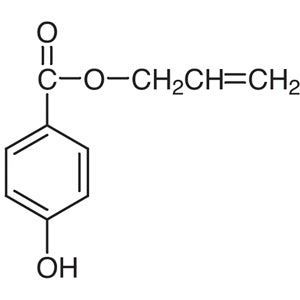
Allyl4-Hydroxybenzoate TCI A1846
Regular price Rp 3.895.500,00Regular priceRp 2.739.450,00Sale price Rp 3.895.500,00 -
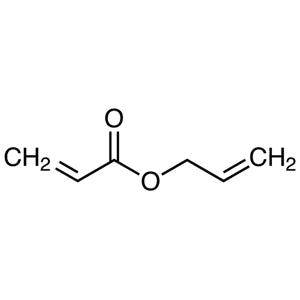
AllylAcrylate(stabilizedwithMEHQ) TCI A1740
Regular price Rp 7.209.300,00Regular priceRp 5.041.050,00Sale price Rp 7.209.300,00