4'-Aminohexanophenone is a chemical compound widely used as a building block in the synthesis of complex molecules. Its molecular structure enables participation in various chemical reactions, including substitution, condensation, and electrophilic reactions. In the laboratory, it serves as a versatile reagent for constructing new molecules, particularly in the field of organic synthesis. Due to its reactivity, it is an essential tool in chemical research and drug development. This compound is highly valued for its ability to facilitate the formation of diverse chemical structures, making it indispensable in synthetic chemistry.
The compound exhibits favorable solubility in organic solvents such as ethyl acetate and acetone, which makes it ideal for reactions requiring high efficiency and speed. Its chemical stability under specific conditions further enhances its utility in laboratory settings. These properties contribute to its popularity among researchers who require reliable and effective reagents for their experiments. The compound's reactivity and solubility characteristics make it well-suited for a wide range of chemical applications.
In Indonesian laboratories, 4'-Aminohexanophenone is commonly used in chemical research, especially in the synthesis of bioactive compounds. It is frequently found in experiments involving complex chemical reactions, both in academic institutions and research organizations. Its role in creating new molecular structures supports advancements in various scientific fields, including pharmaceutical and materials science. The compound's versatility and effectiveness make it a preferred choice for researchers in Indonesia.
Related TCI products
- Organic synthesis applications benefit from 4'-Aminohexanophenone due to its reactivity and structural versatility, enabling the formation of complex molecules.
- Bioactive compound development relies on this compound for its ability to participate in various chemical transformations, supporting drug discovery efforts.
- Research in pharmaceutical chemistry utilizes 4'-Aminohexanophenone to construct functional groups, enhancing the efficiency of synthetic pathways.
- Materials science experiments leverage its chemical properties to develop new polymers and functional materials through controlled reactions.
- Academic and industrial research settings use this compound for its reliability and effectiveness in creating diverse chemical structures.
| Brand | TCI |
|---|---|
| CAS number | 38237-76-2 |
| Molecular formula | — |
| Purity | — |
| Category | Chemistry > Building Blocks > Non-Heterocyclic Building Blocks |
| Pack sizes | — |
| Physical form | — |
| Storage | Store in a cool, dry place away from moisture and direct sunlight |
4'-Aminohexanophenone should be stored in a cool, dry environment to maintain its chemical stability. It is recommended to keep the compound in a sealed container to prevent exposure to moisture and air. Proper ventilation is essential when handling this material to minimize inhalation risks. The compound should be stored away from incompatible substances to avoid potential chemical reactions. Laboratory personnel should wear appropriate personal protective equipment, such as gloves and safety goggles, when working with this reagent. Regular inspection of storage conditions ensures the compound remains in optimal condition for use in research applications.
—
Produk Terkait
-
Hexanophenone TCI H0116
Regular price Rp 2.121.000,00Regular priceRp 1.482.600,00Sale price Rp 2.121.000,00 -
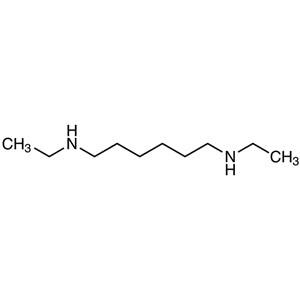
N,N'-Diethyl-1,6-diaminohexane TCI D1305
Regular price From Rp 3.048.150,00Regular priceRp 2.131.500,00Sale price From Rp 3.048.150,00 -
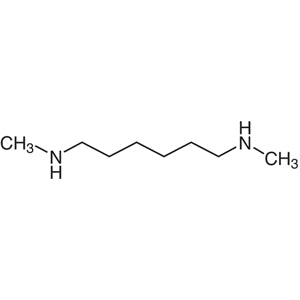
N,N'-Dimethyl-1,6-diaminohexane TCI D1298
Regular price From Rp 6.704.250,00Regular priceRp 4.688.250,00Sale price From Rp 6.704.250,00 -
1,6-DiaminohexaneDihydrochloride TCI D0096
Regular price From Rp 1.273.650,00Regular priceRp 890.400,00Sale price From Rp 1.273.650,00 -
1,6-Diaminohexane TCI D0095
Regular price From Rp 477.750,00Regular priceRp 333.900,00Sale price From Rp 477.750,00 -
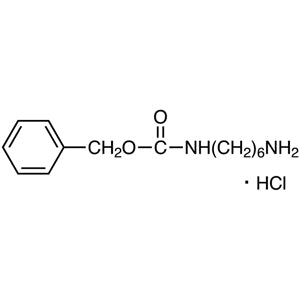
N-Carbobenzoxy-1,6-diaminohexaneHydrochloride TCI C1521
Regular price Rp 2.121.000,00Regular priceRp 1.498.350,00Sale price Rp 2.121.000,00 -
6-Aminohexanenitrile TCI A3525
Regular price Rp 4.054.050,00Regular priceRp 2.850.750,00Sale price Rp 4.054.050,00 -
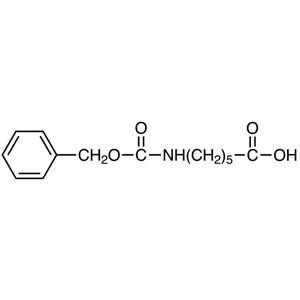
N-Carbobenzoxy-6-aminohexanoicAcid TCI C2757
Regular price From Rp 1.246.350,00Regular priceRp 887.250,00Sale price From Rp 1.246.350,00