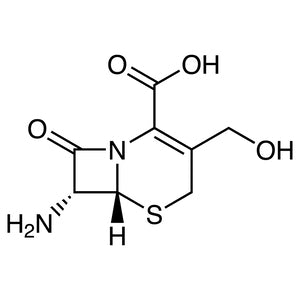
7-Aminodesacetoxycephalosporanic Acid (7-ADCA) is a key chemical compound used in the synthesis of cephalosporin antibiotics, a class of broad-spectrum antibiotics widely used in medical treatments. In the laboratory, it serves as a crucial building block for organic chemists and pharmacologists, enabling the development of new antimicrobial agents with enhanced efficacy. Its complex chemical structure provides a versatile platform for chemical modifications, making it an essential component in drug discovery and development programs.
The unique properties of 7-ADCA, including its stability under controlled conditions and its ability to react with various reagents, make it a preferred choice for researchers. Its heterocyclic structure allows for flexible chemical modifications, which is vital in creating new pharmaceutical compounds with tailored therapeutic properties. These characteristics make 7-ADCA a valuable tool in both academic and industrial research settings.
In Indonesian laboratories, 7-ADCA is commonly used in pharmaceutical, chemical, and biotechnology research. It is a standard material found in laboratories focused on antibiotic development and organic chemistry. Its application requires careful handling and storage to maintain its integrity and ensure safe usage in experimental settings.
- Cephalosporin Antibiotic Synthesis: 7-ADCA is essential for the synthesis of cephalosporin antibiotics, providing the core structure necessary for developing new antimicrobial agents.
- Organic Chemistry Research: Its heterocyclic structure makes it ideal for use in organic chemistry experiments, allowing for the creation of novel compounds with specific functional groups.
- Pharmacological Studies: Researchers use 7-ADCA to study the pharmacological properties of antibiotics and their interactions with microbial targets.
- Drug Development Programs: The compound is a key component in the development of new pharmaceuticals, offering a foundation for modifying drug molecules to improve efficacy.
- Biotecnological Applications: In biotechnology labs, 7-ADCA is used to explore its potential in bioactive compound synthesis and enzyme-based processes.
| Brand | TCI |
|---|---|
| CAS number | 22252-43-3 |
| Molecular formula | — |
| Purity | — |
| Category | Chemistry > Building Blocks > Heterocyclic Building Blocks |
| Pack sizes | Available in various quantities as per supplier specifications |
| Physical form | Solid powder |
| Storage | Store in a cool, dry place away from light and moisture |
7-ADCA should be stored in a cool, dry environment, away from direct sunlight and moisture to maintain its chemical stability. It is recommended to use airtight containers made of glass or high-density polyethylene to prevent contamination and degradation. Handling should be done with appropriate personal protective equipment, such as gloves and safety goggles, to ensure safety. Due to its chemical nature, it should be kept away from incompatible substances like strong acids or bases. Proper labeling and storage conditions are essential to ensure the compound remains effective for research purposes. Laboratories should follow standard chemical safety protocols when working with 7-ADCA to prevent any potential hazards.
—
Product Categories
Produk Terkait
-
7-AminocephalosporanicAcid TCI A1266
Regular price Rp 2.147.250,00Regular priceRp 1.517.250,00Sale price Rp 2.147.250,00 -
7-AminodeacetylcephalosporanicAcid TCI A2878
Regular price From Rp 1.723.050,00Regular priceRp 1.220.100,00Sale price From Rp 1.723.050,00