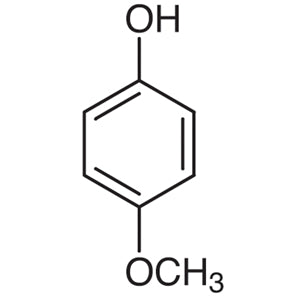
4-(Aminomethyl)-2-methoxyphenol Hydrochloride is a chemical compound widely used in laboratory settings for various synthetic reactions, particularly in the field of organic chemistry. This compound serves as a building block, enabling the synthesis of complex organic molecules through functional group modifications. Its unique structure allows it to participate in multiple reaction pathways, making it a versatile reagent in chemical research. Due to its chemical stability under controlled conditions, it is a reliable choice for researchers seeking to explore molecular transformations.
The compound's chemical properties, including its amine and hydroxyl groups, make it highly reactive in different chemical environments. These functional groups allow it to engage in substitution, reduction, and electrophilic reactions, expanding its utility in synthetic chemistry. Its ability to undergo various chemical transformations makes it a preferred choice for scientists working on drug development and molecular design. The compound's reactivity and structural versatility contribute to its popularity among researchers in both academic and industrial settings.
In Indonesian laboratories, 4-(Aminomethyl)-2-methoxyphenol Hydrochloride is commonly used in scientific research and chemical product development. It is a key component in experiments requiring complex molecular structures, especially in pharmacological and organic chemistry studies. Its availability and reliability make it a valuable resource for local institutions and research facilities, supporting a wide range of chemical investigations.
- Organic synthesis applications benefit from this compound's ability to undergo various chemical transformations, making it ideal for creating complex molecular structures.
- Pharmaceutical research utilizes its reactive functional groups to develop new drug compounds through targeted molecular modifications.
- Analytical chemistry experiments leverage its stability and reactivity for testing reaction mechanisms and chemical behavior under different conditions.
- Teaching laboratories use it to demonstrate fundamental chemical reactions and functional group chemistry to students.
- Industrial research and development incorporates it in the formulation of specialty chemicals and advanced materials.
| Brand | TCI |
|---|---|
| CAS number | 7149-10-2 |
| Molecular formula | — |
| Purity | — |
| Category | Chemistry > Building Blocks > Non-Heterocyclic Building Blocks |
| Pack sizes | Available in various quantities as per standard laboratory supply formats |
| Physical form | Solid powder |
| Storage | Keep in a cool, dry place away from moisture and direct sunlight |
This compound should be stored in a cool, dry environment to maintain its chemical stability. It is recommended to use airtight containers to prevent exposure to moisture and air, which can affect its reactivity. Due to its sensitivity to humidity, it should be kept in a desiccated environment when not in use. Laboratory personnel should handle it with care, using appropriate personal protective equipment to ensure safety. Proper labeling and storage conditions are essential to maintain the integrity of the compound during handling and experimentation.
—
Produk Terkait
-
2-Bromo-4,5-dimethoxyphenol TCI B5297
Regular price Rp 2.518.950,00Regular priceRp 1.776.600,00Sale price Rp 2.518.950,00 -
2-Bromo-6-methoxyphenol TCI B5026
Regular price From Rp 1.298.850,00Regular priceRp 924.000,00Sale price From Rp 1.298.850,00 -
4-Bromo-2-methoxyphenol TCI B4056
Regular price From Rp 1.670.550,00Regular priceRp 1.183.350,00Sale price From Rp 1.670.550,00 -
5-Bromo-2-methoxyphenol TCI B3342
Regular price From Rp 1.060.500,00Regular priceRp 757.050,00Sale price From Rp 1.060.500,00 -
2-Bromo-4-methoxyphenol TCI B3135
Regular price From Rp 2.650.200,00Regular priceRp 1.869.000,00Sale price From Rp 2.650.200,00 -
4-Amino-2-methoxyphenol TCI A2883
Regular price From Rp 3.153.150,00Regular priceRp 2.220.750,00Sale price From Rp 3.153.150,00 -
3,5-Dimethoxyphenol TCI P0320
Regular price From Rp 4.345.950,00Regular priceRp 3.054.450,00Sale price From Rp 4.345.950,00 -
4-Methoxyphenol TCI M0123
Regular price From Rp 530.250,00Regular priceRp 386.400,00Sale price From Rp 530.250,00