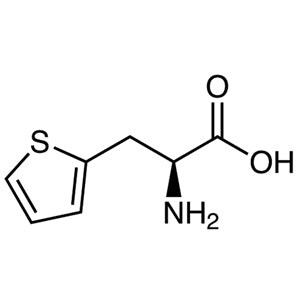
N-(4-Aminobenzoyl)-beta-alanine is a chemical compound widely used in organic synthesis applications within laboratory settings. This compound plays a crucial role in the development of complex molecules due to its unique structural composition, which includes both an amino group and a beta-alanine moiety. Its versatility makes it a valuable building block for chemists working on various synthetic pathways. The compound is commonly utilized in the creation of pharmaceuticals, industrial chemicals, and bioactive compounds, where its chemical properties enable it to participate in a range of reaction types.
The compound's stability and reactivity are key factors that make it a preferred choice in synthetic chemistry. It exhibits good solubility in organic solvents, which simplifies its use in reaction mixtures and purification processes. Its molecular structure, consisting of a carbon chain and an amino group, allows for substitution and condensation reactions with other compounds, enhancing its utility in diverse chemical applications. These characteristics make it a reliable and efficient reagent for laboratory researchers.
In Indonesian laboratories, N-(4-Aminobenzoyl)-beta-alanine is frequently used in research and development projects involving organic synthesis. Its availability and chemical properties make it an essential component in academic and industrial settings where complex molecule synthesis is required. The compound's compatibility with various functional groups and its ease of handling make it a popular choice among chemists working in both academic and applied research environments.
Related TCI products
- TCI T3475 22951-96-8 3-(2-Thienyl)-L-alanine
- TCI B3617 58438-04-3 N-(tert-Butoxycarbonyl)-3-(2-naphthyl)-L-alanine
- TCI B3616 76985-10-9 N-(tert-Butoxycarbonyl)-3-(2-naphthyl)-D-alanine
- TCI O0468 4876-14-6 3-(2-Oxo-1,2-dihydro-4-quinolinyl)-DL-alanine Hydrochloride
- TCI N0942 59642-21-6 N-(4-Nitrobenzoyl)-beta-alanine
- TCI F1164 84000-07-7 N-[(9H-Fluoren-9-ylmethoxy)carbonyl]-N-methyl-L-alanine
- Organic synthesis is a primary application where this compound serves as a key building block for creating complex molecules with pharmaceutical and industrial relevance.
- Pharmaceutical research benefits from its ability to participate in various chemical reactions, aiding in the development of new drug candidates and bioactive compounds.
- Industrial chemical production utilizes this compound due to its reactivity and solubility, enabling the synthesis of specialty chemicals and intermediates.
- Bioactive compound development leverages its structural features to design molecules with specific biological activities and therapeutic potential.
- Academic research employs this compound in teaching and experimental studies to demonstrate synthetic methodologies and reaction mechanisms.
| Brand | TCI |
|---|---|
| CAS number | 7377-08-4 |
| Molecular formula | — |
| Purity | — |
| Category | Chemistry > Building Blocks > Non-Heterocyclic Building Blocks |
| Pack sizes | Available in various quantities as per supplier specifications |
| Physical form | Solid powder |
| Storage | Store in a cool, dry place away from moisture and direct sunlight |
This compound should be stored in a cool, dry environment to maintain its chemical integrity and prevent degradation. It is recommended to keep it in a sealed container to minimize exposure to moisture and air, which can affect its stability. Proper ventilation is essential when handling the material to avoid inhalation of any vapors. The compound is generally non-hazardous under normal conditions but should be handled with care to prevent skin contact. It is advisable to use appropriate personal protective equipment, such as gloves and safety goggles, when working with this material in a laboratory setting. Regular monitoring of storage conditions ensures that the compound remains suitable for use in chemical synthesis applications.
—
Product Categories
Produk Terkait
-
3-(2-Thienyl)-L-alanine TCI T3475
Regular price From Rp 955.500,00Regular priceRp 683.550,00Sale price From Rp 955.500,00 -
N-(tert-Butoxycarbonyl)-3-(2-naphthyl)-L-alanine TCI B3617
Regular price Rp 2.942.100,00Regular priceRp 2.072.700,00Sale price Rp 2.942.100,00 -
N-(tert-Butoxycarbonyl)-3-(2-naphthyl)-D-alanine TCI B3616
Regular price From Rp 1.087.800,00Regular priceRp 775.950,00Sale price From Rp 1.087.800,00 -
3-(2-Oxo-1,2-dihydro-4-quinolinyl)-DL-alanineHydrochloride TCI O0468
Regular price From Rp 1.060.500,00Regular priceRp 757.050,00Sale price From Rp 1.060.500,00 -
N-(4-Nitrobenzoyl)-beta-alanine TCI N0942
Regular price From Rp 717.150,00Regular priceRp 516.600,00Sale price From Rp 717.150,00 -
N-[(9H-Fluoren-9-ylmethoxy)carbonyl]-N-methyl-L-alanine TCI F1164
Regular price Rp 2.411.850,00Regular priceRp 1.702.050,00Sale price Rp 2.411.850,00 -
N-[(9H-Fluoren-9-ylmethoxy)carbonyl]-beta-alanine TCI F0882
Regular price From Rp 742.350,00Regular priceRp 534.450,00Sale price From Rp 742.350,00