Amlexanox, with CAS number 68302-57-8, is a chemical compound widely used in pharmacological and biochemical research. As a research reagent, it plays a crucial role in laboratory settings where scientists investigate the effects of various compounds on cellular and tissue responses. Its application spans multiple areas of experimental science, including the study of anti-inflammatory and antimicrobial properties of substances. This compound is essential for researchers aiming to understand how certain chemicals interact with biological systems, making it a versatile tool in pharmaceutical research.
Amlexanox is favored for its stable chemical properties and compatibility with a wide range of experimental conditions. It dissolves well in organic solvents, simplifying the preparation of solutions for laboratory use. Its non-toxic nature and ease of handling make it a preferred choice for researchers who prioritize safety and consistency in their experiments. These characteristics ensure that Amlexanox remains a reliable and efficient reagent in both academic and industrial research environments.
In Indonesian laboratories, Amlexanox is commonly used in health sciences, pharmaceutical, and biotechnology research. It is frequently applied in studies examining the effects of specific compounds on inflammatory and infectious diseases. The availability of Amlexanox in the local market ensures that researchers have access to this essential reagent for their scientific investigations. Its role in experimental research continues to expand, supporting advancements in medical and biological sciences.
TCI brochures (PDF)
- Immune System, Inflammation, Allergy Research Reagents 2025-05-26 · p. 4
- Immunology Research Reagents 2026-06-03 · p. 6
- Pharmaceutical Ingredients for Research and Experimental Use 2026-03-09 · p. 36
- Anti-inflammatory Compound Testing – Amlexanox is ideal for assessing the efficacy of compounds in reducing inflammation, supporting research in pharmaceutical and biomedical fields.
- Antimicrobial Activity Research – Its antimicrobial properties make it suitable for studying the effects of substances on bacterial and fungal growth in microbiological experiments.
- Cellular Response Analysis – Amlexanox is used to evaluate how cells react to different chemical stimuli, aiding in drug discovery and toxicity studies.
- Disease Model Development – It contributes to the creation of in vitro models for studying inflammatory and infectious diseases, enhancing research accuracy.
- Biochemical Assay Preparation – Its solubility and stability make it a valuable component in preparing reagents for biochemical assays and analytical procedures.
| Brand | TCI |
|---|---|
| CAS number | 68302-57-8 |
| Molecular formula | — |
| Purity | — |
| Category | Life Science > Biochemicals and Reagents > Pharmaceutical Research Reagents |
| Pack sizes | Available in various sizes as per supplier specifications |
| Physical form | Solid (as per standard product description) |
| Storage | Store in a cool, dry place away from direct sunlight |
Amlexanox should be stored in a cool, dry environment to maintain its chemical stability. It is recommended to keep the reagent in a tightly sealed container to prevent moisture absorption and contamination. Due to its non-toxic nature, it is generally safe to handle, but standard laboratory precautions should still be followed, such as using appropriate personal protective equipment. The compound is compatible with most organic solvents and can be safely used in routine laboratory procedures. Proper storage ensures the reagent remains effective for experimental use over time. Always ensure that the storage area is well-ventilated and free from potential chemical interactions.
—
Product Categories
- Biochemicals and ReagentsPharmaceutical Research Reagents (for Experimental Use)Anti-allergic Ingredients (for Research and Experimental Use)
- Cell BiologyImmune System, Inflammation, Allergy ResearchChemical Mediator Release Inhibitors
- Pharmaceutical Development and Drug Discovery ResearchPharmaceutical Research Reagents (for Experimental Use)Anti-allergic Ingredients (for Research and Experimental Use)
Produk Terkait
-
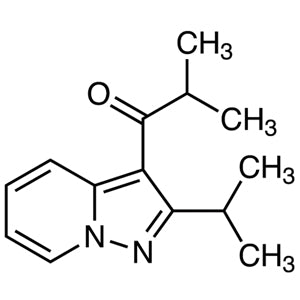
Ibudilast TCI I0740
Regular price From Rp 1.961.400,00Regular priceRp 1.387.050,00Sale price From Rp 1.961.400,00 -
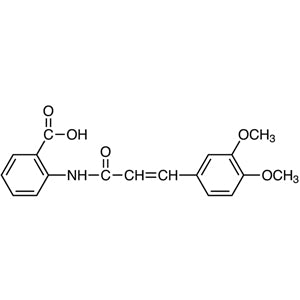
Tranilast TCI T2935
Regular price From Rp 3.285.450,00Regular priceRp 2.313.150,00Sale price From Rp 3.285.450,00 -
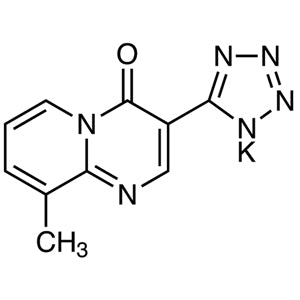
PemirolastPotassium TCI P2547
Regular price From Rp 3.710.700,00Regular priceRp 2.610.300,00Sale price From Rp 3.710.700,00 -
PemirolastPotassiumHydrate TCI P1995
Regular price Rp 3.207.750,00Regular priceRp 2.258.550,00Sale price Rp 3.207.750,00 -
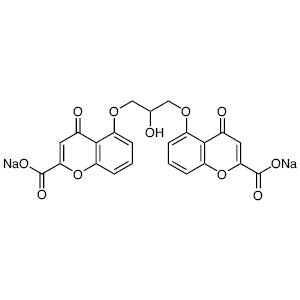
CromolynDisodiumSalt TCI C2521
Regular price From Rp 3.419.850,00Regular priceRp 2.406.600,00Sale price From Rp 3.419.850,00 -
Zafirlukast TCI Z0029
Regular price Rp 5.194.350,00Regular priceRp 3.647.700,00Sale price Rp 5.194.350,00 -
Bilastine TCI B5392
Regular price From Rp 6.811.350,00Regular priceRp 4.778.550,00Sale price From Rp 6.811.350,00 -
Alcaftadine TCI A3237
Regular price Rp 3.949.050,00Regular priceRp 2.777.250,00Sale price Rp 3.949.050,00