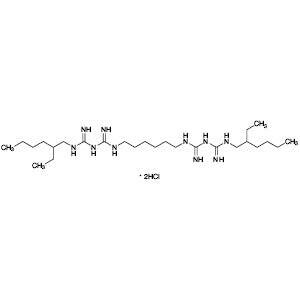
Anisomycin is a biochemical compound widely used in laboratory experiments related to antibiotics and the study of biological activity. As a type of antibiotic, it has the potential to inhibit the growth of specific bacteria, making it a valuable tool in microbiological and pharmacological research. This compound plays a crucial role in understanding bacterial resistance mechanisms and developing new therapeutic approaches. Its application extends to various scientific fields where precise and reliable results are essential.
Anisomycin is preferred due to its stable chemical properties under certain conditions, ensuring consistent performance in laboratory settings. Its reliability and high quality make it suitable for a range of analytical methods, including antibacterial activity testing and molecular interaction studies. The compound’s ability to maintain its integrity during experiments contributes to the accuracy and reproducibility of research outcomes. This stability is particularly important in environments where precision is critical.
In Indonesian laboratories, Anisomycin is commonly used in antibiotic-related research, drug development, and studies on the effects of bioactive compounds. It is a trusted choice among researchers who require high-quality chemical reagents for their experiments. Its availability in different packaging sizes also facilitates its use in both small-scale and moderate-scale laboratory applications.
TCI brochures (PDF)
- Antimicrobials and Antitumor Agents for Research and Experimental Use 2025-04-24 · p. 7
- Pharmaceutical Ingredients for Research and Experimental Use 2026-03-09 · p. 7
- Antibacterial Activity Testing – Anisomycin is ideal for assessing the effectiveness of antibiotics against specific bacterial strains due to its known inhibitory properties.
- Molecular Interaction Studies – Its chemical stability allows it to be used in experiments that require the analysis of molecular interactions and biochemical pathways.
- Microbial Resistance Research – It is frequently employed in studies aimed at understanding bacterial resistance mechanisms and the development of new antimicrobial strategies.
- Pharmacological Research – Anisomycin supports investigations into drug mechanisms and the potential therapeutic applications of bioactive compounds.
- Biochemical Assays – Its reliability and consistent performance make it suitable for use in various biochemical assays requiring precise and reproducible results.
| Brand | TCI |
|---|---|
| CAS number | 22862-76-6 |
| Molecular formula | — |
| Purity | — |
| Category | Life Science > Biochemicals and Reagents > Antibiotics |
| Pack sizes | 25mg, 100mg |
| Physical form | Powder |
| Storage | — |
Anisomycin should be stored in a cool, dry place away from direct sunlight and moisture to maintain its chemical stability. It is recommended to keep it in a sealed container to prevent contamination and degradation. Due to its biochemical nature, it should be handled with care, using appropriate personal protective equipment such as gloves and safety goggles. Proper labeling of storage containers is essential to ensure safe handling and prevent accidental exposure. Regular monitoring of storage conditions is advised to ensure the compound remains in optimal condition for laboratory use.
—
Product Categories
- Biochemicals and ReagentsAntibioticsAntibiotics (Chemical Structure Class)
- Biochemicals and ReagentsPharmaceutical Research Reagents (for Experimental Use)Antimicrobial Ingredients (for Research and Experimental Use)
- Cell BiologyCell Signaling and NeuroscienceKinase/Phosphatase Biology
- MicrobiologyAntibioticsAntibiotics (Chemical Structure Class)
- Pharmaceutical Development and Drug Discovery ResearchPharmaceutical Research Reagents (for Experimental Use)Antimicrobial Ingredients (for Research and Experimental Use)
- Pharmaceutical Development and Drug Discovery ResearchAntibioticsAntibiotics (Chemical Structure Class)
Produk Terkait
-
Wortmannin TCI W0007
Regular price Rp 11.632.950,00Regular priceRp 8.150.100,00Sale price Rp 11.632.950,00 -
AlexidineDihydrochloride TCI A3389
Regular price From Rp 1.988.700,00Regular priceRp 1.405.950,00Sale price From Rp 1.988.700,00 -
CyclosporinA TCI C2408
Regular price From Rp 1.351.350,00Regular priceRp 960.750,00Sale price From Rp 1.351.350,00 -
ThioridazineHydrochloride TCI T3102
Regular price Rp 2.730.000,00Regular priceRp 1.924.650,00Sale price Rp 2.730.000,00 -
FusidateSodium TCI O0613
Regular price From Rp 2.914.800,00Regular priceRp 2.053.800,00Sale price From Rp 2.914.800,00 -
FusidicAcid TCI F1007
Regular price From Rp 2.384.550,00Regular priceRp 1.683.150,00Sale price From Rp 2.384.550,00 -
4-AminosalicylicAcid TCI A0420
Regular price From Rp 822.150,00Regular priceRp 590.100,00Sale price From Rp 822.150,00 -
Sodium4-AminosalicylateDihydrate TCI A0423
Regular price From Rp 928.200,00Regular priceRp 664.650,00Sale price From Rp 928.200,00