N-Acetyltryptamine is a chemical compound classified under peptide chemistry, commonly used in biochemical research. It belongs to the broader family of tryptamine derivatives, which are known for their structural similarity to various psychoactive substances. In the laboratory, this compound serves as a key building block for the synthesis of bioactive molecules, particularly those with applications in pharmacology and neurochemistry. Its role is critical in the development of compounds that interact with biological systems, making it a valuable tool for researchers exploring the mechanisms of drug action and neural signaling.
One of the main reasons N-Acetyltryptamine is preferred in laboratory settings is its chemical stability under controlled conditions. This stability allows for easier handling and storage, which is essential for maintaining the integrity of experimental results. Additionally, the compound exhibits good solubility in organic solvents such as ethyl acetate and acetone, which enhances its versatility in a wide range of chemical experiments. These properties make it a reliable and efficient choice for researchers working in both academic and industrial environments.
In Indonesian laboratories, N-Acetyltryptamine is frequently used in studies related to pharmacology, biochemistry, and neurochemistry. Its availability and consistent performance make it a popular choice among researchers. The compound is often utilized in the development of new therapeutic agents and in understanding the biochemical pathways involved in neurological processes. Its presence in Indonesian research institutions underscores its importance in advancing scientific knowledge in these fields.
- Biochemical Synthesis: N-Acetyltryptamine is widely used for the synthesis of bioactive compounds due to its structural similarity to tryptamine, making it ideal for creating derivatives with pharmacological relevance.
- Pharmacological Research: The compound is employed in drug development studies to investigate the effects of tryptamine-based molecules on biological systems and their potential therapeutic applications.
- Neurochemical Studies: Its role in mimicking neurotransmitter-like structures makes it valuable for studying neural signaling and the mechanisms of neuroactive compounds in the brain.
- Organic Chemistry Experiments: The compound's solubility in organic solvents facilitates its use in various organic synthesis protocols, enhancing its utility in chemical research.
- Analytical Chemistry Applications: It is used as a reference standard in analytical techniques to assess the purity and stability of related compounds in complex mixtures.
| Brand | TCI |
|---|---|
| CAS number | 1016-47-3 |
| Molecular formula | — |
| Purity | — |
| Category | Chemistry > Chemical Biology > Peptide Chemistry |
| Pack sizes | Available in standard laboratory quantities |
| Physical form | Solid |
| Storage | Store in a cool, dry place away from direct light |
N-Acetyltryptamine should be stored in a cool, dry environment to maintain its chemical stability and prevent degradation. It is recommended to keep the compound in a tightly sealed container to minimize exposure to moisture and air. Suitable storage containers include glass or high-density polyethylene vessels that are resistant to chemical interactions. In laboratory settings, it is important to handle the compound with appropriate personal protective equipment, such as gloves and safety goggles, to ensure safe handling. Proper labeling of storage containers is essential for identifying the compound and preventing accidental misuse. Regular monitoring of storage conditions ensures the compound remains in optimal condition for use in research applications.
—
Product Categories
Produk Terkait
-
TryptamineHydrochloride TCI A0300
Regular price Rp 557.550,00Regular priceRp 405.300,00Sale price Rp 557.550,00 -
Tryptamine TCI T0890
Regular price Rp 2.147.250,00Regular priceRp 1.517.250,00Sale price Rp 2.147.250,00 -
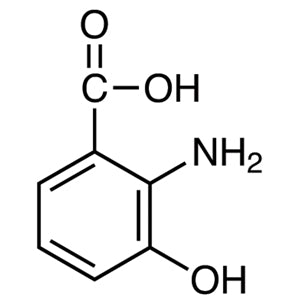
2-Amino-3-hydroxybenzoicAcid TCI A0316
Regular price Rp 3.312.750,00Regular priceRp 2.332.050,00Sale price Rp 3.312.750,00 -
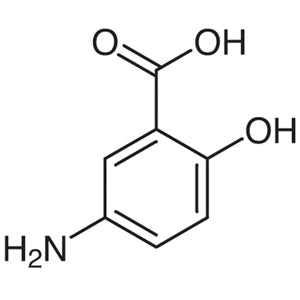
5-AminosalicylicAcid TCI A0317
Regular price Rp 1.008.000,00Regular priceRp 720.300,00Sale price Rp 1.008.000,00 -
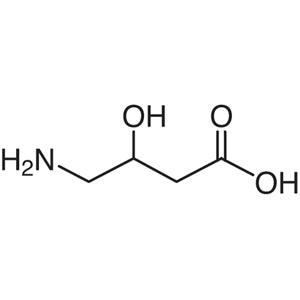
4-Amino-3-hydroxybutyricAcid TCI A0318
Regular price Rp 1.167.600,00Regular priceRp 831.600,00Sale price Rp 1.167.600,00 -
DL-Homoserine TCI A0319
Regular price Rp 2.439.150,00Regular priceRp 1.720.950,00Sale price Rp 2.439.150,00