5'-Acetamido-2'-hydroxyacetophenone is a chemical compound widely used as a building block in the synthesis of complex molecules. It serves as a versatile intermediate in organic chemistry, enabling the creation of a variety of functionalized aromatic structures. This compound is particularly valuable in laboratories where precision and reliability in chemical reactions are essential. Its role in the laboratory extends beyond mere synthesis, as it is often employed in the development of pharmaceuticals, industrial chemicals, and other organic compounds.
The compound's key properties include its stable aromatic structure and its ability to react with various functional groups. These characteristics make it an ideal choice for substitution and coupling reactions. Its solubility in organic solvents further enhances its utility, as it simplifies processing and application in laboratory settings. The chemical’s reactivity and compatibility with different reaction conditions contribute to its popularity among chemists.
In Indonesian laboratories, 5'-Acetamido-2'-hydroxyacetophenone is commonly used in organic synthesis research. It is a staple in academic and industrial settings where the development of new compounds is required. Its consistent performance and reliability make it a preferred material for experiments demanding high precision and quality. Researchers and institutions across Indonesia rely on this compound for its effectiveness in complex chemical processes.
Related TCI products
- TCI A0104 121-71-1 3'-Hydroxyacetophenone
- TCI T1888 480-66-0 2',4',6'-Trihydroxyacetophenone Monohydrate
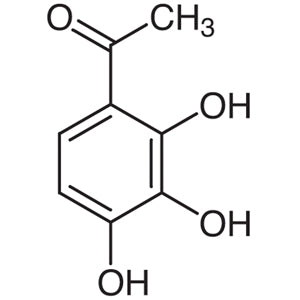
- TCI T1198 528-21-2 2',3',4'-Trihydroxyacetophenone
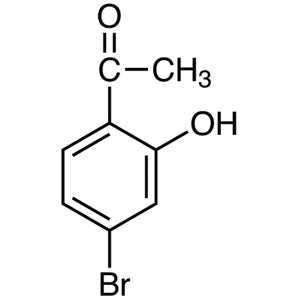
- TCI B5382 30186-18-6 4'-Bromo-2'-hydroxyacetophenone
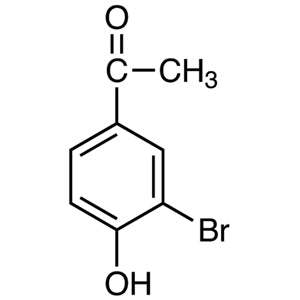
- TCI B5158 1836-06-2 3'-Bromo-4'-hydroxyacetophenone
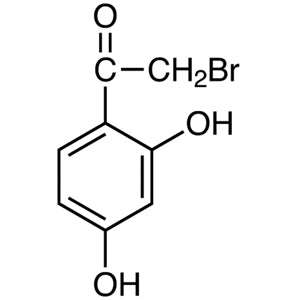
- TCI B4767 2491-39-6 2-Bromo-2',4'-dihydroxyacetophenone
- Drug synthesis applications benefit from this compound's ability to form stable aromatic structures, aiding in the development of new pharmaceutical compounds.
- Organic chemistry research utilizes the compound for its reactivity and compatibility with various functional groups, enabling the creation of complex molecules.
- Industrial chemical production leverages its solubility and stability to facilitate efficient synthesis processes in large-scale manufacturing.
- Academic laboratories use it as a key building block for teaching and experimental purposes, supporting both undergraduate and graduate research.
- Compound modification projects rely on its versatility in substitution and coupling reactions, allowing for the design of novel chemical structures.
| Brand | TCI |
|---|---|
| CAS number | 7298-67-1 |
| Molecular formula | — |
| Purity | — |
| Category | Chemistry > Building Blocks > Non-Heterocyclic Building Blocks |
| Pack sizes | Available in various quantities as per standard supplier offerings |
| Physical form | Solid, typically in crystalline or powder form |
| Storage | Store in a cool, dry place away from direct light and moisture |
This compound should be stored in a cool, dry environment, away from direct sunlight and moisture. It is recommended to use airtight containers to prevent exposure to air and humidity. Proper ventilation is essential when handling the material to minimize inhalation risks. Avoid contact with skin and eyes, and ensure that protective gloves and goggles are worn during handling. The compound is generally stable under normal laboratory conditions but should be kept in a secure location to prevent accidental spills or contamination. Always follow standard laboratory safety protocols when working with this or similar chemical substances.
—
Produk Terkait
-
3'-Hydroxyacetophenone TCI A0104
Regular price From Rp 1.113.000,00Regular priceRp 793.800,00Sale price From Rp 1.113.000,00 -
2',4',6'-TrihydroxyacetophenoneMonohydrate TCI T1888
Regular price From Rp 1.246.350,00Regular priceRp 887.250,00Sale price From Rp 1.246.350,00 -
2',3',4'-Trihydroxyacetophenone TCI T1198
Regular price From Rp 1.220.100,00Regular priceRp 868.350,00Sale price From Rp 1.220.100,00 -
4'-Bromo-2'-hydroxyacetophenone TCI B5382
Regular price From Rp 875.700,00Regular priceRp 627.900,00Sale price From Rp 875.700,00 -
3'-Bromo-4'-hydroxyacetophenone TCI B5158
Regular price Rp 2.914.800,00Regular priceRp 2.053.800,00Sale price Rp 2.914.800,00 -
2-Bromo-2',4'-dihydroxyacetophenone TCI B4767
Regular price Rp 1.458.450,00Regular priceRp 1.035.300,00Sale price Rp 1.458.450,00 -
2-Bromo-2'-hydroxyacetophenone TCI B4735
Regular price From Rp 1.618.050,00Regular priceRp 1.146.600,00Sale price From Rp 1.618.050,00 -
2-Bromo-4'-hydroxyacetophenone TCI B4115
Regular price From Rp 875.700,00Regular priceRp 627.900,00Sale price From Rp 875.700,00