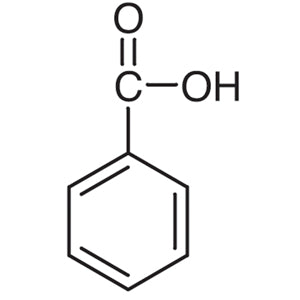
Ancymidol is a chemical compound widely utilized in plant biotechnology research within laboratory settings. It functions as a growth regulator, playing a crucial role in controlling cell growth and differentiation in plants. This compound is essential for experimental studies aimed at manipulating plant development and understanding biological responses to environmental stimuli. Its application spans various aspects of plant science, making it a valuable tool for researchers seeking to explore genetic and metabolic pathways in controlled environments.
Ancymidol is favored for its chemical stability and solubility in organic solvents, which simplifies its preparation and use in diverse experimental protocols. These properties ensure consistent performance across different laboratory conditions, enhancing reproducibility in research outcomes. Additionally, its ability to specifically influence plant metabolic pathways allows for targeted biological manipulations, making it a preferred choice for precise and effective plant biotechnology applications.
In Indonesian laboratories, Ancymidol is extensively used in agricultural and biotechnological research. It supports studies aimed at developing plant varieties with improved resistance to pests, diseases, and adverse environmental conditions. Its role in enhancing plant resilience and productivity makes it an essential component in both academic and applied research settings across Indonesia.
TCI brochures (PDF)
- Plant Hormones 2025-01-30 · p. 1
- Agrochemical Ingredients for Research and Experimental Use 2026-01-08 · p. 9
- Plant Research Reagents 2026-02-24 · p. 14
- Reagents for Biological Research 2025-03-11 · p. 55
- Plant Growth Regulation: Ancymidol is used to control plant growth phases, enabling researchers to study developmental processes under controlled experimental conditions.
- Metabolic Pathway Manipulation: Its ability to influence specific metabolic pathways allows for targeted research into plant physiology and genetic expression.
- Environmental Stress Response Studies: Ancymidol helps in investigating how plants respond to environmental stressors, aiding in the development of stress-resistant crops.
- Genetic Engineering Research: It supports experiments involving gene expression and regulation, contributing to advancements in plant biotechnology.
- Agricultural Biotechnology Development: Ancymidol is integral to creating improved plant varieties with enhanced traits for sustainable agriculture.
| Brand | TCI |
|---|---|
| CAS number | 12771-68-5 |
| Molecular formula | — |
| Purity | — |
| Category | Life Science > Molecular Biology > Plant Biotechnology |
| Pack sizes | Available in standard laboratory quantities |
| Physical form | Solid or powder, depending on formulation |
| Storage | Store in a cool, dry place away from direct sunlight |
Ancymidol should be stored in a cool, dry environment, away from direct sunlight and sources of heat. It is recommended to use airtight containers to prevent moisture absorption and maintain chemical stability. Due to its solubility in organic solvents, it should be handled in well-ventilated areas to minimize exposure. Researchers should wear appropriate personal protective equipment, such as gloves and safety goggles, when handling this compound. Proper disposal procedures should be followed to ensure compliance with laboratory safety standards and environmental regulations.
—
Product Categories
Produk Terkait
-
Adenine TCI A0149
Regular price From Rp 1.749.300,00Regular priceRp 1.239.000,00Sale price From Rp 1.749.300,00 -
trans-Zeatin TCI Z0012
Regular price Rp 6.573.000,00Regular priceRp 4.611.600,00Sale price Rp 6.573.000,00 -
XyleminDihydrochloride TCI X0080
Regular price From Rp 2.518.950,00Regular priceRp 1.760.850,00Sale price From Rp 2.518.950,00 -
Uniconazole TCI U0155
Regular price From Rp 1.618.050,00Regular priceRp 1.146.600,00Sale price From Rp 1.618.050,00 -
Brassinazole TCI B2829
Regular price From Rp 6.518.400,00Regular priceRp 4.573.800,00Sale price From Rp 6.518.400,00 -
4-BromophenoxyaceticAcid TCI B2746
Regular price From Rp 689.850,00Regular priceRp 497.700,00Sale price From Rp 689.850,00 -
BenzoicAcid TCI B2635
Regular price From Rp 557.550,00Regular priceRp 405.300,00Sale price From Rp 557.550,00 -
N6-Benzyladenine TCI B1088
Regular price From Rp 955.500,00Regular priceRp 683.550,00Sale price From Rp 955.500,00