4-Bromophenoxyacetic Acid (4-BPAA) is a chemical compound widely used in organic synthesis reactions. It serves as a key building block in the creation of complex molecules with applications in pharmaceuticals, materials science, and industrial chemistry. In the laboratory, 4-BPAA plays a crucial role in the formation of molecular structures through substitution and condensation reactions. Its versatility makes it an essential reagent for chemists working on a variety of synthetic pathways.
The compound’s molecular structure consists of a bromo group on the phenyl ring and an acetic acid group at the phenoxide end. This unique configuration contributes to its high reactivity and compatibility with various reagents. The stability of its chemical and physical properties further enhances its utility in laboratory settings. Its ability to participate in multiple types of chemical reactions makes it a preferred choice for researchers aiming to develop new compounds and materials.
In Indonesian laboratories, 4-BPAA is commonly used in scientific research, pharmaceutical development, and material studies. It is particularly relevant in academic and research institutions where chemical synthesis and innovation are central to their work. Its availability in the local market ensures that researchers have reliable access to this essential compound for their experiments and projects.
TCI brochures (PDF)
- Synthetic Auxin and Selective Binding to Modified Receptor 2025-05-26 · p. 2
- Plant Hormones 2025-01-30 · p. 1
- Agrochemical Ingredients for Research and Experimental Use 2026-01-08 · p. 7
- Plant Research Reagents 2026-02-24 · p. 13
- Reagents for Biological Research 2025-03-11 · p. 55
Related TCI products
- Organic synthesis is a primary application where 4-BPAA is used to create complex molecular structures through substitution and condensation reactions.
- Pharmaceutical research benefits from 4-BPAA as it serves as a building block for the development of new drug compounds and therapeutic agents.
- Material science applications rely on 4-BPAA to synthesize advanced materials with specific chemical and physical properties.
- Educational institutions use 4-BPAA in teaching and research to demonstrate chemical reactivity and synthetic techniques.
- Industrial chemical processes incorporate 4-BPAA to produce specialized chemicals and intermediates for various commercial applications.
| Brand | TCI |
|---|---|
| CAS number | 1878-91-7 |
| Molecular formula | — |
| Purity | — |
| Category | Chemistry > Building Blocks > Non-Heterocyclic Building Blocks |
| Pack sizes | Available in various quantities as per standard laboratory supply |
| Physical form | Solid or liquid, depending on the specific product variant |
| Storage | Store in a cool, dry place away from direct sunlight and moisture |
4-Bromophenoxyacetic Acid should be stored in a cool, dry environment to maintain its chemical stability. It is recommended to keep the compound in a tightly sealed container to prevent exposure to moisture and air. Suitable storage containers include glass or high-density polyethylene vessels that are resistant to chemical degradation. In laboratory settings, it is important to handle the compound with appropriate personal protective equipment, such as gloves and safety goggles, to ensure safety. Avoid contact with incompatible substances and ensure proper ventilation when working with this compound. Regular monitoring of storage conditions helps maintain the integrity and effectiveness of the material for laboratory use.
—
Produk Terkait
-
2,4,6-TrichlorophenoxyaceticAcid TCI T1063
Regular price From Rp 3.285.450,00Regular priceRp 2.313.150,00Sale price From Rp 3.285.450,00 -
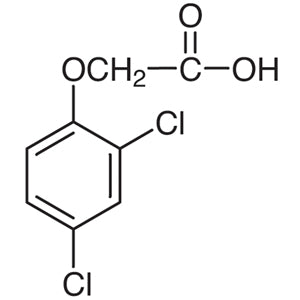
2,4-DichlorophenoxyaceticAcid TCI D0396
Regular price From Rp 717.150,00Regular priceRp 516.600,00Sale price From Rp 717.150,00 -
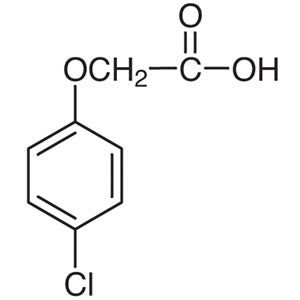
4-ChlorophenoxyaceticAcid TCI C0250
Regular price From Rp 557.550,00Regular priceRp 405.300,00Sale price From Rp 557.550,00 -
Methyl(2,4-Dichlorophenoxy)acetate TCI D6084
Regular price From Rp 2.359.350,00Regular priceRp 1.665.300,00Sale price From Rp 2.359.350,00 -
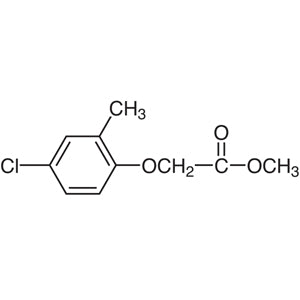
Methyl4-Chloro-2-methylphenoxyacetate TCI C0598
Regular price From Rp 530.250,00Regular priceRp 386.400,00Sale price From Rp 530.250,00 -
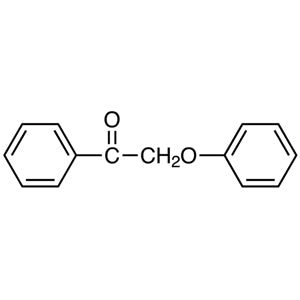
2-Phenoxyacetophenone TCI P2121
Regular price Rp 1.351.350,00Regular priceRp 960.750,00Sale price Rp 1.351.350,00 -
4'-Phenoxyacetophenone TCI P1355
Regular price Rp 1.351.350,00Regular priceRp 960.750,00Sale price Rp 1.351.350,00 -
PhenoxyaceticAnhydride TCI P0111
Regular price From Rp 4.452.000,00Regular priceRp 3.129.000,00Sale price From Rp 4.452.000,00