N-(2-Aminophenyl)-4-[1-[2-(3-thienyl)ethyl]-1H-1,2,3-triazol-4-yl]benzamide is a complex chemical compound widely used in epigenetic research. It belongs to the category of molecular biology reagents and is specifically designed for studies involving histone modification. This compound plays a critical role in understanding how genetic expression is regulated through epigenetic mechanisms. Its application in laboratories is essential for investigating the molecular pathways associated with chronic diseases, including cancer and neurological disorders. Researchers rely on this compound to explore the intricate interactions between histone proteins and DNA, which are fundamental to gene regulation.
The compound's unique molecular structure allows it to interact precisely with specific biological targets, making it a preferred choice for high-precision molecular studies. Its chemical stability and good solubility enable it to be easily dissolved in various solvents, facilitating its use in analytical techniques such as spectroscopy and chromatography. These properties ensure reliable and reproducible results in laboratory experiments. Additionally, its specificity enhances the accuracy of research outcomes, making it a valuable tool in epigenetic investigations.
In Indonesian laboratories, this compound is commonly used in applied epigenetic research, particularly in studies examining the effects of histone modifications on gene expression. Researchers from universities and research institutions utilize it to explore the molecular mechanisms underlying genetic regulation. Its versatility and effectiveness make it a key reagent in advancing scientific understanding in the field of molecular biology.
Advantages (TCI brochure)
- Selective HDAC3 inhibitor
- Shows cell growth-inhibitory activity in human colon cancer HCT116 and prostate cancer PC-3 cell lines
- Activated HIV gene expression in latent HIV-infected cells
TCI brochures (PDF)
- Epigenetics Research Reagents 2024-11-22 · p. 1
- Thiophenes 2026-06-29 · p. 9
- Reagents for Biological Research 2025-03-11 · p. 62
Related TCI products
- TCI H1340 1316652-41-1 N-Hydroxy-3-[1-(phenylthio)methyl-1H-1,2,3-triazol-4-yl]benzamide
- TCI D4188 251456-60-7 4-(Dimethylamino)-N-[7-(hydroxyamino)-7-oxoheptyl]benzamide
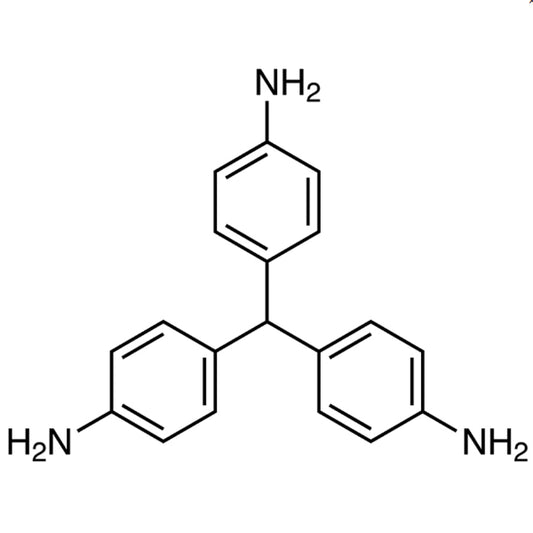
- TCI T3599 548-61-8 Tris(4-aminophenyl)methane
- TCI T3072 5496-71-9 N,N,N',N'-Tetrakis(4-dibutylaminophenyl)-1,4-benzoquinone Diiminium Bis(hexafluoroantimonate)
- TCI T2947 60532-63-0 Tetrakis(4-aminophenyl)methane
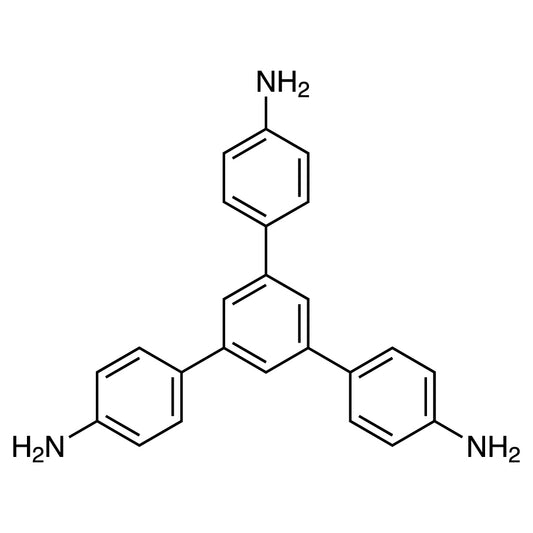
- TCI T2728 118727-34-7 1,3,5-Tris(4-aminophenyl)benzene
- Epigenetic Research: This compound is ideal for studying histone modifications and their impact on gene expression, providing insights into disease mechanisms.
- Drug Development: Its ability to modulate epigenetic pathways makes it useful in the development of therapeutic agents targeting chronic diseases.
- Molecular Biology Studies: It supports investigations into the molecular mechanisms of gene regulation, aiding in the discovery of novel biological processes.
- Chromatographic Analysis: The compound’s solubility and stability make it suitable for use in chromatographic techniques to analyze complex biological samples.
- Spectroscopic Investigations: Its chemical properties allow it to be used in spectroscopic methods for identifying and characterizing molecular interactions.
From the TCI brochure
- Research on HDAC3, which is highly expressed in colon and prostate cancer cells
- HIV latency research using latent HIV-infected cells
| Brand | TCI |
|---|---|
| CAS number | 1451042-18-4 |
| Molecular formula | — |
| Purity | — |
| Category | Life Science > Molecular Biology > Epigenetics |
| Pack sizes | Available in various quantities as per supplier specifications |
| Physical form | Solid (as per standard chemical properties) |
| Storage | Store in a cool, dry place away from light |
Data from the TCI brochure
| Purity | >95.0% |
|---|---|
| Pack size | 5mg |
Source: TCI brochure LL019 (2024-11-22)
This compound should be stored in a cool, dry environment, away from direct sunlight and sources of heat. It is recommended to use airtight containers to prevent exposure to moisture and air, which could affect its stability. Since it is a chemical reagent, it should be handled with appropriate personal protective equipment, such as gloves and safety goggles, to ensure laboratory safety. Proper ventilation is essential when working with this compound to minimize inhalation risks. It is important to keep the compound away from incompatible materials to prevent any chemical reactions. Regular monitoring of storage conditions ensures the compound remains effective for research purposes.
—
Produk Terkait
-
N-Hydroxy-3-[1-(phenylthio)methyl-1H-1,2,3-triazol-4-yl]benzamide TCI H1340
Regular price Rp 6.201.300,00Regular priceRp 4.352.250,00Sale price Rp 6.201.300,00 -
4-(Dimethylamino)-N-[7-(hydroxyamino)-7-oxoheptyl]benzamide TCI D4188
Regular price From Rp 5.855.850,00Regular priceRp 4.110.750,00Sale price From Rp 5.855.850,00 -
Tris(4-aminophenyl)methane TCI T3599
Regular price From Rp 3.710.700,00Regular priceRp 2.610.300,00Sale price From Rp 3.710.700,00 -
N,N,N',N'-Tetrakis(4-dibutylaminophenyl)-1,4-benzoquinoneDiiminiumBis(hexafluoroantimonate) TCI T3072
Regular price From Rp 3.127.950,00Regular priceRp 2.202.900,00Sale price From Rp 3.127.950,00 -
Tetrakis(4-aminophenyl)methane TCI T2947
Regular price From Rp 1.908.900,00Regular priceRp 1.350.300,00Sale price From Rp 1.908.900,00 -
1,3,5-Tris(4-aminophenyl)benzene TCI T2728
Regular price From Rp 6.465.900,00Regular priceRp 4.537.050,00Sale price From Rp 6.465.900,00 -
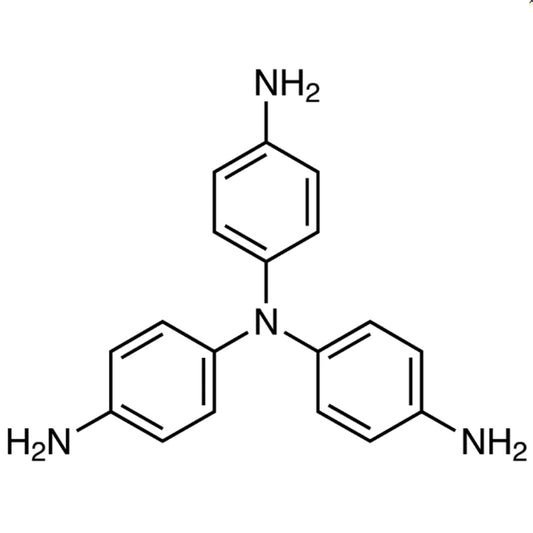
Tris(4-aminophenyl)amine TCI T2332
Regular price From Rp 3.127.950,00Regular priceRp 2.202.900,00Sale price From Rp 3.127.950,00 -
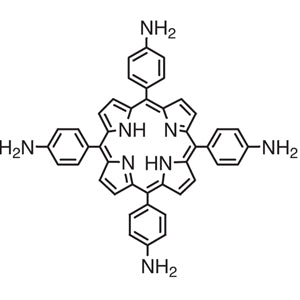
5,10,15,20-Tetrakis(4-aminophenyl)porphyrin TCI T1494
Regular price Rp 6.227.550,00Regular priceRp 4.370.100,00Sale price Rp 6.227.550,00