6-Acetyl-2-benzoxazolinone is a chemical compound widely used in organic synthesis reactions within laboratory settings. It belongs to the class of heterocyclic compounds, which are essential building blocks in the development of various chemical structures. This compound plays a crucial role in the synthesis of bioactive molecules, including pharmaceuticals, pesticides, and industrial chemicals. Its versatility makes it a valuable tool for researchers aiming to create complex molecular frameworks.
The compound exhibits favorable solubility in organic solvents such as ethyl acetate and acetone, which enhances its usability in a range of chemical reactions. Its chemical stability under controlled conditions further contributes to its reliability in laboratory applications. However, it is sensitive to high temperatures and oxidative conditions, requiring careful handling to maintain its integrity. These properties make it a preferred choice for synthetic processes that demand precise control over reaction conditions.
In Indonesian laboratories, 6-Acetyl-2-benzoxazolinone is commonly used by chemists, pharmacologists, and chemical industry professionals. It is integral to research and development efforts in academic and industrial settings. Its availability supports the advancement of new products and scientific discoveries, making it a key component in the chemical research landscape of Indonesia.
- Organic synthesis applications benefit from 6-Acetyl-2-benzoxazolinone’s reactivity and structural versatility, enabling the creation of complex molecules with biological activity.
- Pharmaceutical research utilizes this compound to develop new drugs, as its heterocyclic structure is often found in active pharmaceutical ingredients.
- Pesticide formulation relies on its chemical properties to synthesize compounds with specific biological effects against pests and pathogens.
- Industrial chemical production uses it as a building block for the synthesis of various chemical intermediates and specialty products.
- Academic research in Indonesian universities employs it for teaching and experimental purposes, supporting both undergraduate and graduate studies in chemistry.
| Brand | TCI |
|---|---|
| CAS number | 54903-09-2 |
| Molecular formula | — |
| Purity | — |
| Category | Chemistry > Building Blocks > Heterocyclic Building Blocks |
| Pack sizes | Available in standard laboratory quantities |
| Physical form | Solid or crystalline, depending on purity and storage conditions |
| Storage | Store in a cool, dry place away from light and strong oxidizing agents |
6-Acetyl-2-benzoxazolinone should be stored in a cool, dry environment to maintain its chemical stability. It is recommended to keep it in airtight containers to prevent exposure to moisture and air. Due to its sensitivity to high temperatures and oxidative conditions, it should be handled in a controlled laboratory setting. Appropriate personal protective equipment, such as gloves and safety goggles, should be worn during handling. The compound should be stored away from strong oxidizing agents and incompatible materials to ensure safety. Regular monitoring of storage conditions is essential to prevent degradation and maintain the compound’s effectiveness in laboratory applications.
—
Produk Terkait
-
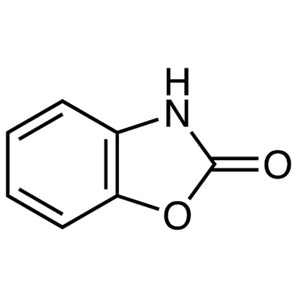
2-Benzoxazolinone TCI B0506
Regular price Rp 1.378.650,00Regular priceRp 979.650,00Sale price Rp 1.378.650,00 -
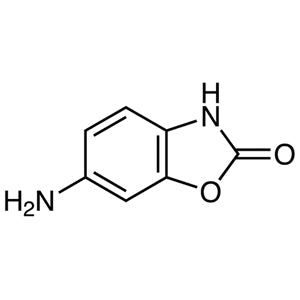
6-Amino-2-benzoxazolinone TCI A2874
Regular price Rp 2.757.300,00Regular priceRp 1.943.550,00Sale price Rp 2.757.300,00 -
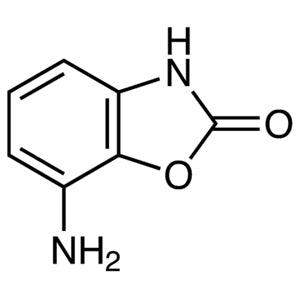
7-Amino-2-benzoxazolinone TCI A2806
Regular price From Rp 1.246.350,00Regular priceRp 887.250,00Sale price From Rp 1.246.350,00 -
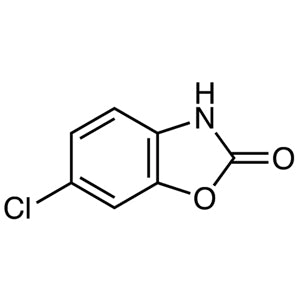
6-Chloro-2-benzoxazolinone TCI C2378
Regular price Rp 1.351.350,00Regular priceRp 960.750,00Sale price Rp 1.351.350,00 -
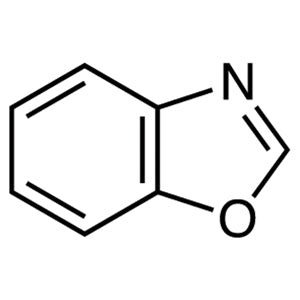
Benzoxazole TCI B0095
Regular price Rp 1.881.600,00Regular priceRp 1.331.400,00Sale price Rp 1.881.600,00 -
2-(2-Pyridyl)benzoxazole TCI P2098
Regular price Rp 1.483.650,00Regular priceRp 1.053.150,00Sale price Rp 1.483.650,00 -
6-Methyl-1,3-benzoxazole-2(3H)-thione TCI M3063
Regular price From Rp 1.908.900,00Regular priceRp 1.350.300,00Sale price From Rp 1.908.900,00 -
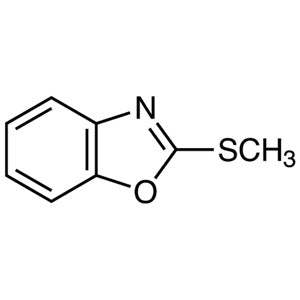
2-(Methylthio)benzoxazole TCI M2454
Regular price From Rp 1.483.650,00Regular priceRp 1.053.150,00Sale price From Rp 1.483.650,00