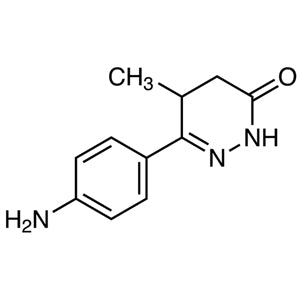
6-(4-Aminophenyl)-4,5-dihydro-5-methyl-3(2H)-pyridazinone is a chemical compound classified under the category of heterocyclic building blocks. It plays a crucial role in laboratory settings by serving as a foundational component for the synthesis of complex molecules. This compound is widely used in organic and pharmaceutical research due to its structural versatility and reactivity. Its presence in chemical reactions allows scientists to create a variety of functional compounds, including pharmaceuticals and industrial chemicals.
The compound's unique properties, such as its heterocyclic structure and the presence of an amino group, make it a preferred choice for chemical synthesis. These features enable it to participate in various reactions, such as substitution, condensation, and other electron-rich reactions. The ability to modify its molecular structure selectively makes it highly valuable in research that requires precise chemical transformations. Additionally, its stability under controlled laboratory conditions ensures reliable results in experimental processes.
In Indonesian laboratories, this compound is commonly used in scientific research related to synthesis and modification of complex molecules. It is particularly useful in studies involving drug development and chemical innovation. Researchers in Indonesia rely on this compound for its reliability and adaptability in creating new chemical entities. Its application supports both academic and industrial research efforts in the country.
Related TCI products
- TCI D5119 1011-46-7 4,5-Dihydro-6-phenyl-3(2H)-pyridazinone
- TCI D4216 5157-08-4 4,5-Dihydro-6-methyl-3(2H)-pyridazinone
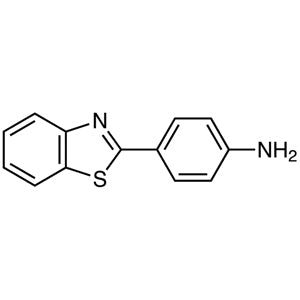
- TCI A2672 6278-73-5 2-(4-Aminophenyl)benzothiazole
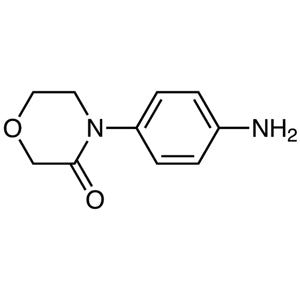
- TCI A2614 438056-69-0 4-(4-Aminophenyl)morpholin-3-one
- TCI A1966 84102-58-9 5-Amino-2-(4-aminophenyl)benzofuran
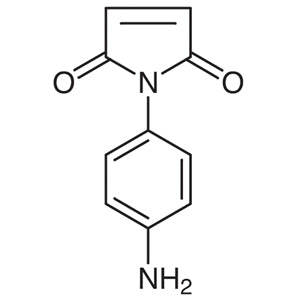
- TCI A0825 29753-26-2 N-(4-Aminophenyl)maleimide
- Organic synthesis applications benefit from this compound's reactivity and structural adaptability, enabling the creation of diverse chemical compounds.
- Pharmaceutical research utilizes its ability to participate in electron-rich reactions, aiding in the development of new drug molecules.
- Heterocyclic compound modification projects rely on its structural versatility for selective molecular transformations.
- Industrial chemical synthesis processes use it as a building block for producing functional chemical intermediates.
- Research in medicinal chemistry leverages its amino group for designing compounds with specific biological activities.
| Brand | TCI |
|---|---|
| CAS number | 36725-28-7 |
| Molecular formula | — |
| Purity | — |
| Category | Chemistry > Building Blocks > Heterocyclic Building Blocks |
| Pack sizes | As per supplier's standard packaging |
| Physical form | Solid (as per typical chemical compound form) |
| Storage | Store in a cool, dry place away from direct light |
This compound should be stored in a cool, dry environment, away from direct sunlight and sources of heat. It is recommended to keep it in a sealed container to prevent moisture absorption and contamination. Due to its chemical nature, it should be handled in a well-ventilated area to minimize exposure. Proper personal protective equipment, such as gloves and safety goggles, should be worn when handling the compound. It is important to store it separately from incompatible substances to avoid any potential chemical reactions. Maintaining controlled storage conditions ensures the compound remains stable and suitable for use in laboratory experiments.
—
Produk Terkait
-
4,5-Dihydro-6-phenyl-3(2H)-pyridazinone TCI D5119
Regular price From Rp 1.565.550,00Regular price -
4,5-Dihydro-6-methyl-3(2H)-pyridazinone TCI D4216
Regular price Rp 2.332.050,00Regular price -
2-(4-Aminophenyl)benzothiazole TCI A2672
Regular price Rp 1.298.850,00Regular price -
4-(4-Aminophenyl)morpholin-3-one TCI A2614
Regular price From Rp 477.750,00Regular price -
5-Amino-2-(4-aminophenyl)benzofuran TCI A1966
Regular price Rp 3.232.950,00Regular price -
N-(4-Aminophenyl)maleimide TCI A0825
Regular price Rp 3.392.550,00Regular price -
6-Phenyl-3(2H)-pyridazinone TCI P2060
Regular price Rp 1.035.300,00Regular price -
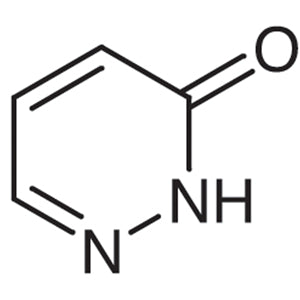
3(2H)-Pyridazinone TCI P1850
Regular price Rp 3.287.550,00Regular price