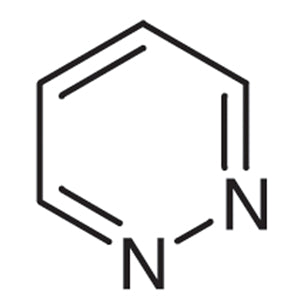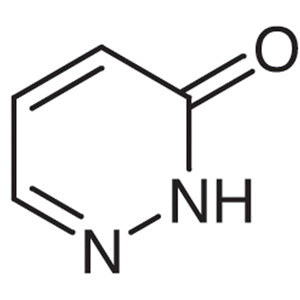
3(2H)-Pyridazinone is a heterocyclic compound that plays a crucial role in chemical synthesis within laboratory settings. As a building block, it serves as a versatile intermediate for the development of complex organic molecules. Its unique structure allows it to participate in various chemical reactions, making it an essential component in the creation of compounds with biological activity. This compound is widely used in pharmaceutical and industrial research due to its ability to form stable intermediates and participate in diverse synthetic pathways.
The chemical properties of 3(2H)-Pyridazinone make it a preferred choice for laboratory applications. It exhibits stability under certain conditions, yet remains reactive to strong reagents and elevated temperatures. This reactivity allows it to be a valuable tool in modifying functional groups and forming new chemical bonds. Its ability to interact with various functional groups enhances its utility in synthetic chemistry. Additionally, its solid form and solubility characteristics make it easy to handle and incorporate into different reaction systems.
In Indonesian laboratories, 3(2H)-Pyridazinone is commonly used in organic chemistry research, especially in academic and industrial settings. It is a key reagent in the development of new compounds and the study of chemical reactions. Its availability and chemical versatility make it a go-to material for researchers working on drug discovery, material science, and other advanced chemical projects.
Related TCI products
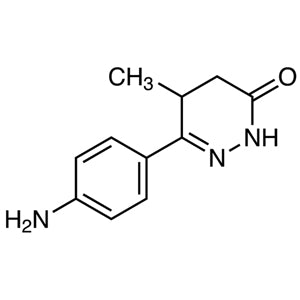
- TCI A2919 36725-28-7 6-(4-Aminophenyl)-4,5-dihydro-5-methyl-3(2H)-pyridazinone
- TCI P2060 2166-31-6 6-Phenyl-3(2H)-pyridazinone
- TCI D5119 1011-46-7 4,5-Dihydro-6-phenyl-3(2H)-pyridazinone
- TCI D4216 5157-08-4 4,5-Dihydro-6-methyl-3(2H)-pyridazinone
- TCI C2377 19064-67-6 6-Chloro-3(2H)-pyridazinone
- TCI I0742 766-55-2 Imidazo[1,2-b]pyridazine
- Organic synthesis applications benefit from 3(2H)-Pyridazinone due to its ability to form stable intermediates and participate in diverse synthetic pathways.
- Pharmaceutical research utilizes this compound for the development of bioactive molecules and drug candidates with therapeutic potential.
- Industrial chemical processes incorporate 3(2H)-Pyridazinone as a building block for the creation of complex organic structures and functional materials.
- Academic research institutions use it to explore reaction mechanisms and structural modifications in heterocyclic chemistry.
- Material science studies employ this compound to develop new polymers and functional chemical compounds with specific properties.
| Brand | TCI |
|---|---|
| CAS number | 504-30-3 |
| Molecular formula | — |
| Purity | — |
| Category | Chemistry > Building Blocks > Heterocyclic Building Blocks |
| Pack sizes | Available in standard laboratory quantities |
| Physical form | Solid |
| Storage | Store in a cool, dry place away from direct sunlight and moisture |
3(2H)-Pyridazinone should be stored in a cool, dry environment to maintain its chemical stability. It is recommended to keep the compound in a sealed container to prevent exposure to moisture and air. Suitable storage containers include glass or high-density polyethylene (HDPE) bottles that are resistant to chemical reactions. Laboratory personnel should handle the compound with care, using appropriate personal protective equipment such as gloves and goggles. Avoid exposure to high temperatures and strong reagents to prevent unwanted chemical reactions. Proper labeling and storage conditions ensure the compound remains safe and effective for use in research applications.
—
Produk Terkait
-
6-(4-Aminophenyl)-4,5-dihydro-5-methyl-3(2H)-pyridazinone TCI A2919
Regular price Rp 1.670.550,00Regular price -
6-Phenyl-3(2H)-pyridazinone TCI P2060
Regular price Rp 1.035.300,00Regular price -
4,5-Dihydro-6-phenyl-3(2H)-pyridazinone TCI D5119
Regular price From Rp 1.565.550,00Regular price -
4,5-Dihydro-6-methyl-3(2H)-pyridazinone TCI D4216
Regular price Rp 2.332.050,00Regular price -
6-Chloro-3(2H)-pyridazinone TCI C2377
Regular price From Rp 1.298.850,00Regular price -
Imidazo[1,2-b]pyridazine TCI I0742
Regular price From Rp 689.850,00Regular price -
Pyridazine-4-carboxylicAcid TCI P1907
Regular price Rp 3.180.450,00Regular price -
Pyridazine TCI P0616
Regular price From Rp 1.510.950,00Regular price


![766-55-2 Imidazo[1,2-b]pyridazine - AMI Scientific](http://amiscientific.com/cdn/shop/files/TCI2510I0742.jpg?v=1769180941&width=533)