Pyridazine-4-carboxylic Acid from TCI (product code P1907) is a heterocyclic compound built on a pyridazine ring, a six-membered aromatic ring with two adjacent nitrogen atoms, and it carries a single carboxylic acid group at the 4-position. Organic chemistry and medicinal chemistry laboratories use it as a building block. Researchers rely on it to bring the pyridazine core into larger molecules, such as drug candidates, metal ligands, or functional materials under development.
The main appeal of this compound is that one molecule holds two useful reactive parts. The carboxylic acid group converts readily into amides, esters, or acyl chlorides by well-established coupling methods. The nitrogen-rich pyridazine ring adds polarity, hydrogen-bonding capability, and the potential to coordinate with metal ions. For this reason, medicinal chemists often use pyridazine as a replacement for phenyl or pyridine rings when they want to adjust solubility and how a molecule interacts with its biological target.
In Indonesia, building blocks like this are widely used by organic synthesis research groups at universities, pharmaceutical and natural-product research laboratories, and institutions working on new materials. Graduate students and researchers use it in multi-step synthesis, in building compound libraries for activity screening, and in coordination chemistry studies. Because it comes from TCI, a well-recognised brand, laboratories can expect consistent material from one batch to the next, which supports reproducible research and well-documented results.
Related TCI products
- Amide coupling in medicinal chemistry: the carboxylic acid group reacts with amines under standard coupling conditions, so the pyridazine core can be attached to drug candidate scaffolds efficiently.
- Ester and acyl chloride preparation: the acid converts into esters or acyl chlorides by common methods, which gives synthetic chemists flexible intermediates for further transformations in multi-step routes.
- Bioisosteric replacement studies: pyridazine can stand in for phenyl or pyridine rings, so researchers can tune polarity, solubility, and target interactions while keeping the overall molecular shape.
- Coordination chemistry and ligand design: the adjacent ring nitrogens and the carboxylate group can both bind metal ions, which makes the compound a useful starting point for new metal complexes.
- Compound library synthesis for screening: its two distinct reactive sites support quick structural diversification, which helps research groups build focused heterocyclic libraries for biological activity testing.
| Brand | TCI (product code P1907) |
|---|---|
| CAS number | 50681-25-9 |
| Molecular formula | — |
| Purity | — |
| Category | Chemistry > Building Blocks > Heterocyclic Building Blocks |
| Pack sizes | as offered by TCI for product P1907; please confirm the available sizes when ordering |
| Physical form | please refer to the TCI product specification sheet |
| Storage | keep the container tightly closed in a cool, dry place, following the TCI label and SDS |
Store Pyridazine-4-carboxylic Acid in its original, tightly sealed container in a cool, dry, well-ventilated area, away from moisture, direct sunlight, and incompatible substances such as strong oxidising agents and strong bases. Always follow the storage conditions on the TCI label and Safety Data Sheet. Handle the material in a fume hood or a well-ventilated area. Wear suitable personal protective equipment, including safety glasses, chemical-resistant gloves, and a lab coat. Do not inhale dust and avoid contact with skin and eyes. After weighing, close the container promptly and label any secondary containers clearly. Dispose of residues and contaminated materials in line with institutional and local chemical waste regulations.
—
Produk Terkait
-
Imidazo[1,2-b]pyridazine TCI I0742
Regular price From Rp 689.850,00Regular price -
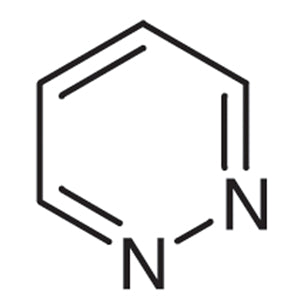
Pyridazine TCI P0616
Regular price From Rp 1.510.950,00Regular price -
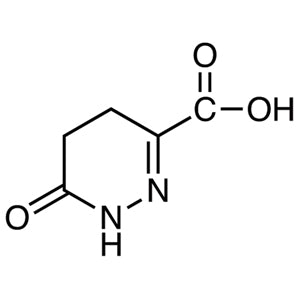
1,4,5,6-Tetrahydro-6-oxopyridazine-3-carboxylicAcid TCI T2955
Regular price From Rp 743.400,00Regular price -
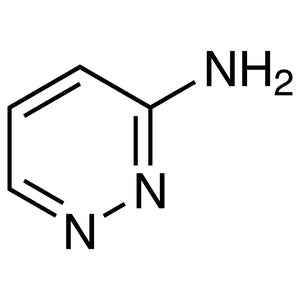
3-Aminopyridazine TCI A2048
Regular price From Rp 1.510.950,00Regular price -
3-Methylpyridazine TCI M0872
Regular price From Rp 5.565.000,00Regular price -
6-Hydroxypyridazine-3-carboxylicAcidMonohydrate TCI H1387
Regular price From Rp 743.400,00Regular price -
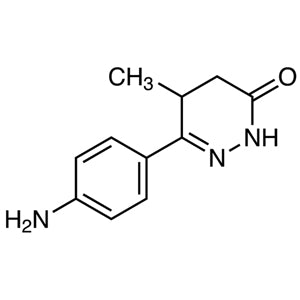
6-(4-Aminophenyl)-4,5-dihydro-5-methyl-3(2H)-pyridazinone TCI A2919
Regular price Rp 1.670.550,00Regular price -
6-Phenyl-3(2H)-pyridazinone TCI P2060
Regular price Rp 1.035.300,00Regular price
![766-55-2 Imidazo[1,2-b]pyridazine - AMI Scientific](http://amiscientific.com/cdn/shop/files/TCI2510I0742.jpg?v=1769180941&width=533)