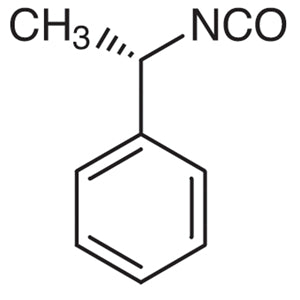
(R)-(+)-2-Acetoxypropionyl Chloride is a chiral building block widely used in asymmetric synthesis to construct molecules with specific stereochemical configurations. This compound plays a crucial role in organic chemistry laboratories, particularly in the development of pharmaceuticals and complex organic compounds. Its unique chirality allows chemists to control the stereochemistry of the final product, which is essential in creating compounds with desired biological activities. Due to its reactivity and structural specificity, it is a valuable tool for researchers aiming to synthesize enantiomerically pure substances.
The compound’s chiral nature and reactive functional groups make it a preferred choice for asymmetric reactions. Its ability to participate in stereoselective transformations enables the synthesis of molecules with high enantiomeric purity, which is critical in drug development. The compound's stability and compatibility with various reaction conditions further enhance its utility in synthetic chemistry. These properties make it a reliable reagent for advanced chemical synthesis and research applications.
In Indonesian laboratories, (R)-(+)-2-Acetoxypropionyl Chloride is commonly used in organic chemistry and pharmaceutical research. Scientists rely on this compound to achieve precise control over molecular structure, which is vital for developing new drugs and bioactive compounds. Its application is particularly relevant in academic and industrial research settings where stereochemistry is a key factor in determining the efficacy and safety of chemical products.
TCI brochures (PDF)
- Chiral Building Blocks 2025-04-14 · p. 14
Related TCI products
- TCI A1297 36394-75-9 (S)-(-)-2-Acetoxypropionyl Chloride
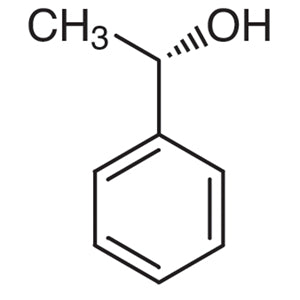
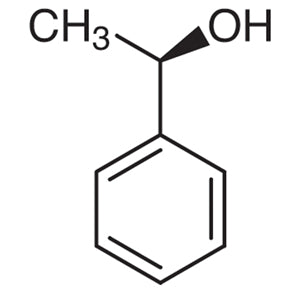
- TCI P0796 1445-91-6 (S)-(-)-1-Phenylethyl Alcohol
- TCI P0795 1517-69-7 (R)-(+)-1-Phenylethyl Alcohol
- TCI M0832 17257-71-5 (S)-(-)-alpha-Methoxy-alpha-(trifluoromethyl)phenylacetic Acid [Optical Resolving]
- TCI M0831 20445-31-2 (R)-(+)-alpha-Methoxy-alpha-(trifluoromethyl)phenylacetic Acid [Optical Resolving]
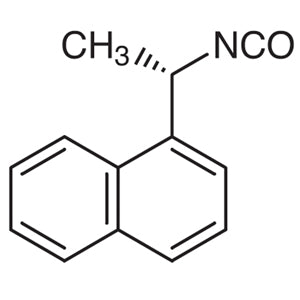
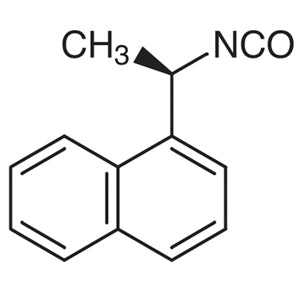
- TCI I0398 73671-79-1 (S)-(+)-1-(1-Naphthyl)ethyl Isocyanate
- Asymmetric Synthesis: This compound is ideal for creating enantiomerically pure compounds, which are essential in pharmaceutical development due to their specific biological activities.
- Organic Chemistry Research: Its chiral structure allows for precise control over molecular stereochemistry, making it a key reagent in complex organic synthesis.
- Pharmaceutical Development: Used in the synthesis of bioactive compounds, it supports the creation of drugs with targeted therapeutic effects.
- Chiral Compound Synthesis: Its reactivity and stereochemical control make it suitable for producing chiral intermediates in synthetic pathways.
- Academic Research: Widely used in Indonesian laboratories for teaching and research, it helps students and scientists understand asymmetric reaction mechanisms.
| Brand | TCI |
|---|---|
| CAS number | 53636-19-4 |
| Molecular formula | — |
| Purity | — |
| Category | Chemistry > Asymmetric Synthesis > Chiral Building Blocks |
| Pack sizes | Available in various quantities as per supplier specifications |
| Physical form | Liquid |
| Storage | Store in a cool, dry place away from light and moisture |
This compound should be stored in a cool, dry environment, away from direct light and moisture to maintain its chemical integrity. It is recommended to use airtight containers made of glass or high-density polyethylene to prevent contamination and evaporation. Due to its reactivity, it should be handled in a well-ventilated area, and appropriate personal protective equipment such as gloves and goggles should be worn. Avoid contact with incompatible substances, and ensure that storage conditions are consistent with standard laboratory safety protocols. Proper labeling and storage are essential to ensure safe handling and long-term stability of the compound.
—
Product Categories
Produk Terkait
-
(S)-(-)-2-AcetoxypropionylChloride TCI A1297
Regular price From Rp 1.458.450,00Regular priceRp 1.035.300,00Sale price From Rp 1.458.450,00 -
(S)-(-)-1-PhenylethylAlcohol TCI P0796
Regular price From Rp 1.431.150,00Regular priceRp 1.000.650,00Sale price From Rp 1.431.150,00 -
(R)-(+)-1-PhenylethylAlcohol TCI P0795
Regular price From Rp 1.220.100,00Regular priceRp 852.600,00Sale price From Rp 1.220.100,00 -
(S)-(-)-alpha-Methoxy-alpha-(trifluoromethyl)phenylaceticAcid[OpticalResolving] TCI M0832
Regular price From Rp 5.087.250,00Regular priceRp 3.573.150,00Sale price From Rp 5.087.250,00 -
(R)-(+)-alpha-Methoxy-alpha-(trifluoromethyl)phenylaceticAcid[OpticalResolving] TCI M0831
Regular price From Rp 4.902.450,00Regular priceRp 3.444.000,00Sale price From Rp 4.902.450,00 -
(S)-(+)-1-(1-Naphthyl)ethylIsocyanate TCI I0398
Regular price From Rp 4.188.450,00Regular priceRp 2.928.450,00Sale price From Rp 4.188.450,00 -
(R)-(-)-1-(1-Naphthyl)ethylIsocyanate TCI I0336
Regular price From Rp 3.630.900,00Regular priceRp 2.538.900,00Sale price From Rp 3.630.900,00 -
(S)-(-)-alpha-MethylbenzylIsocyanate TCI I0335
Regular price From Rp 1.590.750,00Regular priceRp 1.111.950,00Sale price From Rp 1.590.750,00