2-Acetylnaphtho[2,3-b]furan-4,9-dione is a chemical compound widely used in scientific research, particularly in pharmacology and biochemistry. This compound plays a crucial role in laboratory settings where the synthesis of bioactive molecules is required. Its complex structure enables it to serve as a building block for the development of new pharmaceuticals and the study of molecular mechanisms. Due to its chemical stability and controlled reactivity, it is a reliable choice for experiments demanding precision and reproducibility.
The compound's unique chemical properties, such as its ability to interact with various functional groups in other molecules, make it highly suitable for high-specificity chemical reactions. These characteristics allow researchers to manipulate molecular structures effectively, enhancing the accuracy of experimental outcomes. Additionally, its resistance to certain environmental conditions ensures that it remains stable during storage and use, which is essential for maintaining the integrity of research data.
In Indonesian laboratories, 2-Acetylnaphtho[2,3-b]furan-4,9-dione is commonly used in applied research projects, including drug development, pharmacological effect studies, and chemical compound analysis. Its versatility and reliability make it a preferred material for scientists aiming to advance their research in the fields of pharmaceutical and biochemical sciences.
TCI brochures (PDF)
- Antimicrobials and Antitumor Agents for Research and Experimental Use 2025-04-24 · p. 18
- Pharmaceutical Ingredients for Research and Experimental Use 2026-03-09 · p. 18
- Drug development research utilizes this compound for synthesizing bioactive molecules due to its structural versatility and reactivity.
- Pharmacological studies benefit from its ability to interact with various functional groups, aiding in the investigation of molecular mechanisms.
- Chemical compound analysis relies on its stability and reactivity to ensure accurate and reproducible results in analytical procedures.
- Biochemical experiments use it as a reagent for the synthesis of complex organic compounds in laboratory settings.
- Research on molecular interactions leverages its unique chemical properties to study how it binds with other molecules in controlled environments.
| Brand | TCI |
|---|---|
| CAS number | 83280-65-3 |
| Molecular formula | — |
| Purity | — |
| Category | Life Science > Biochemicals and Reagents > Pharmaceutical Research Reagents |
| Pack sizes | As per supplier specifications |
| Physical form | Solid (as per standard product description) |
| Storage | Store in a cool, dry place away from light and moisture |
This compound should be stored in a cool, dry environment, away from direct sunlight and moisture to maintain its chemical stability. It is recommended to use airtight containers to prevent exposure to air and potential degradation. Laboratory personnel should handle the compound with care, using appropriate personal protective equipment such as gloves and safety goggles to ensure safety. Due to its reactivity, it should be kept in a well-ventilated area to minimize any risk of chemical exposure. Proper labeling and storage conditions are essential to prevent cross-contamination and ensure the compound remains suitable for experimental use.
—
Product Categories
- Biochemicals and ReagentsPharmaceutical Research Reagents (for Experimental Use)Antitumor Research Reagents (for Experimental Use)
- Cell BiologyCancer ResearchAntitumor Agents for Research
- Pharmaceutical Development and Drug Discovery ResearchPharmaceutical Research Reagents (for Experimental Use)Antitumor Research Reagents (for Experimental Use)
Produk Terkait
-
1,10-Phenanthroline-5,6-dione TCI P1973
Regular price From Rp 3.472.350,00Regular priceRp 2.443.350,00Sale price From Rp 3.472.350,00 -
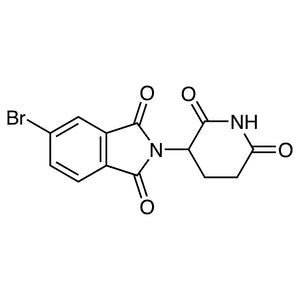
5-Bromo-2-(2,6-dioxopiperidin-3-yl)isoindoline-1,3-dione TCI B6550
Regular price From Rp 1.881.600,00Regular priceRp 1.331.400,00Sale price From Rp 1.881.600,00 -
Aminopterin TCI A0410
Regular price From Rp 1.881.600,00Regular priceRp 1.331.400,00Sale price From Rp 1.881.600,00 -
Imatinib TCI I0906
Regular price From Rp 1.378.650,00Regular priceRp 979.650,00Sale price From Rp 1.378.650,00 -
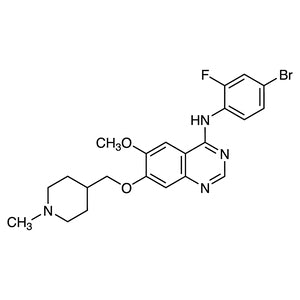
Vandetanib TCI V0199
Regular price From Rp 2.173.500,00Regular priceRp 1.535.100,00Sale price From Rp 2.173.500,00 -
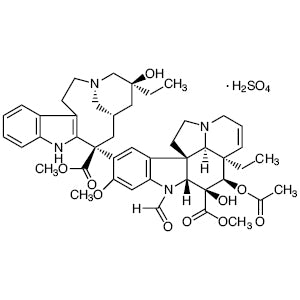
VincristineSulfate TCI V0129
Regular price Rp 4.636.800,00Regular priceRp 3.258.150,00Sale price Rp 4.636.800,00 -
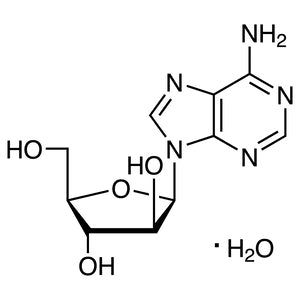
VidarabineMonohydrate TCI V0098
Regular price From Rp 3.710.700,00Regular priceRp 2.610.300,00Sale price From Rp 3.710.700,00 -
SunitinibMalate TCI U0095
Regular price Rp 3.074.400,00Regular priceRp 2.165.100,00Sale price Rp 3.074.400,00