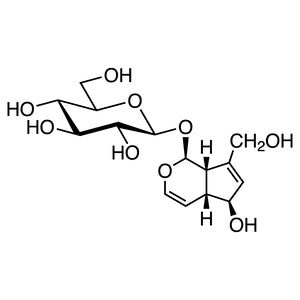
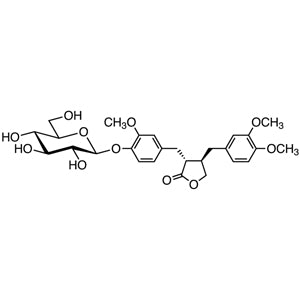
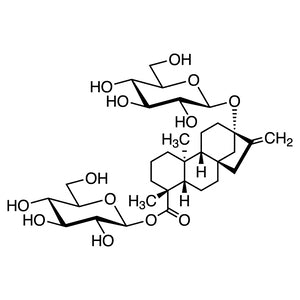
TCI A3183 21082-33-7 Sakakin is a chemical compound widely utilized in laboratory settings for its relevance in chemical biology and glycoscience research. This compound plays a crucial role in experiments involving glycan-protein interactions and the study of complex molecular structures. Its presence is essential in understanding biological mechanisms related to glycans, including their involvement in drug development and biochemical analysis. As a key reagent in modern research, it supports the exploration of molecular interactions that are fundamental to cellular processes and disease mechanisms.
The compound is favored for its chemical stability and consistency, ensuring reliable results across various experimental conditions. Its solubility in organic solvents makes it compatible with a wide range of analytical techniques such as spectroscopy and chromatography. These properties enhance its usability in diverse laboratory applications, allowing researchers to conduct accurate and reproducible experiments. The versatility of TCI A3183 21082-33-7 Sakakin makes it a preferred choice for scientists working in both academic and industrial research environments.
In Indonesian laboratories, this compound is commonly used in biochemical, pharmacological, and biotechnological research. It is a staple in institutions that require specific compounds for molecular interaction studies. Its availability and performance make it a popular choice for experiments that demand precision and reliability. Researchers in Indonesia rely on this compound to advance their studies in glycoscience and related fields.
TCI brochures (PDF)
- Phytochemicals 2025-12-17 · p. 14
- Biochemical Analysis – This compound is ideal for studying glycan structures and their interactions with proteins, providing insights into molecular behavior in biological systems.
- Drug Development – It supports research into glycan-based therapeutics, aiding in the design of compounds that target specific biological pathways.
- Molecular Interaction Studies – Its role in glycan-protein interactions makes it essential for understanding cellular communication and disease mechanisms.
- Chromatographic Techniques – The compound’s solubility in organic solvents makes it suitable for use in chromatographic methods for compound separation and identification.
- Biotechnology Research – It is frequently used in biotech labs for developing and testing new methodologies involving glycosylation and molecular recognition.
| Brand | TCI |
|---|---|
| CAS number | 21082-33-7 |
| Molecular formula | — |
| Purity | — |
| Category | Chemistry > Chemical Biology > Glycoscience |
| Pack sizes | — |
| Physical form | — |
| Storage | Store in a cool, dry place away from direct sunlight |
This compound should be stored in a cool, dry environment, away from direct sunlight and sources of heat. It is recommended to use airtight containers to prevent moisture absorption and contamination. Due to its chemical stability, it does not require refrigeration under normal laboratory conditions. General laboratory safety precautions should be followed, including proper ventilation and personal protective equipment when handling. While it is not classified as hazardous under standard conditions, it is important to follow standard chemical handling protocols to ensure safe usage and prevent accidental exposure.
—
Product Categories
Produk Terkait
-
Arbutin TCI A0522
Regular price From Rp 505.050,00Regular priceRp 368.550,00Sale price From Rp 505.050,00 -
PotengriffiosideA TCI T4196
Regular price Rp 7.897.050,00Regular priceRp 5.537.700,00Sale price Rp 7.897.050,00 -
Aucubin TCI A3604
Regular price Rp 8.374.800,00Regular priceRp 5.871.600,00Sale price Rp 8.374.800,00 -
Arctiin TCI A3118
Regular price From Rp 1.483.650,00Regular priceRp 1.053.150,00Sale price From Rp 1.483.650,00 -
Sophoricoside TCI S0835
Regular price Rp 8.718.150,00Regular priceRp 6.112.050,00Sale price Rp 8.718.150,00 -
Rubusoside TCI R0210
Regular price Rp 6.201.300,00Regular priceRp 4.352.250,00Sale price Rp 6.201.300,00 -
Puerarin TCI P1886
Regular price From Rp 1.458.450,00Regular priceRp 1.035.300,00Sale price From Rp 1.458.450,00 -
Piceid TCI P1878
Regular price From Rp 2.491.650,00Regular priceRp 1.757.700,00Sale price From Rp 2.491.650,00