Salmeterol Xinafoate is a chemical compound widely used in pharmacological and biochemical research, particularly in the development of medications for respiratory disorders such as asthma. As a beta-2 adrenergic agonist, it functions by promoting the relaxation of smooth muscles in the airways, thereby alleviating symptoms associated with respiratory diseases. This compound plays a crucial role in experimental studies focused on drug activity, toxicity, and mechanism of action. Its application extends to various research fields, including pharmacology, pharmacy, and biomedical sciences, where it is essential for understanding the physiological effects of bronchodilators.
One of the key attributes that make Salmeterol Xinafoate a preferred choice is its chemical stability, which ensures consistent performance across multiple experimental trials. The compound maintains its integrity under specific storage conditions, minimizing the risk of degradation. Additionally, its well-defined molecular structure allows for precise interactions with target receptors in the body, enhancing the accuracy of research outcomes. These properties contribute to its reliability in high-precision scientific investigations, making it a trusted material for researchers seeking reproducible results.
In Indonesian laboratories, Salmeterol Xinafoate is commonly used in scientific research related to pharmacology, pharmaceutical development, and biomedical studies. It is an integral part of drug development processes, efficacy testing, and mechanism of action studies. Researchers in educational institutions and research organizations rely on this compound to advance their understanding of respiratory diseases and the therapeutic potential of bronchodilators. Its consistent quality and controlled properties make it a valuable resource in the pursuit of scientific discovery.
TCI brochures (PDF)
- Neurotransmission Research Reagents 2026-07-17 · p. 2
- Pharmaceutical Ingredients for Research and Experimental Use 2026-03-09 · p. 25
- Pharmacological research involving bronchodilator activity testing due to its beta-2 adrenergic agonist properties.
- Development of new asthma medications as a key component in drug formulation studies.
- Toxicity and safety assessments for respiratory medications in preclinical trials.
- Mechanism of action studies to understand how bronchodilators interact with airway smooth muscles.
- Biochemical experiments requiring a stable and reliable compound for consistent results.
| Brand | TCI |
|---|---|
| CAS number | 94749-08-3 |
| Molecular formula | — |
| Purity | — |
| Category | Life Science > Biochemicals and Reagents > Pharmaceutical Research Reagents |
| Pack sizes | Available in standard laboratory quantities |
| Physical form | Solid powder |
| Storage | Store in a cool, dry place away from light |
Salmeterol Xinafoate should be stored in a cool, dry environment, away from direct sunlight and moisture to maintain its chemical stability. It is recommended to keep the compound in a sealed container to prevent contamination and ensure long-term integrity. Due to its pharmaceutical nature, it should be handled with appropriate personal protective equipment, such as gloves and safety goggles, to minimize exposure. Proper labeling and storage in a designated chemical storage area are essential for laboratory safety. Regular monitoring of storage conditions helps maintain the compound's effectiveness for experimental use. This ensures that the material remains suitable for research applications without compromising its quality or performance.
—
Product Categories
- Biochemicals and ReagentsPharmaceutical Research Reagents (for Experimental Use)Neurotransmitter Agent Ingredients (for Research and Experimental Use)
- Biochemicals and Reagents
- Cell BiologyBioactive Small MoleculesReceptor Agonists
- Cell BiologyCell Signaling and NeuroscienceNeuroscience
- Pharmaceutical Development and Drug Discovery ResearchPharmaceutical Research Reagents (for Experimental Use)Neurotransmitter Agent Ingredients (for Research and Experimental Use)
Produk Terkait
-
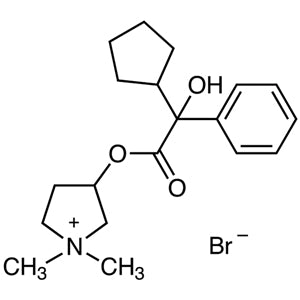
Glycopyrrolate TCI G0392
Regular price Rp 5.592.300,00Regular priceRp 3.925.950,00Sale price Rp 5.592.300,00 -
EVP-6124Hydrochloride TCI E1453
Regular price Rp 3.498.600,00Regular priceRp 2.462.250,00Sale price Rp 3.498.600,00 -
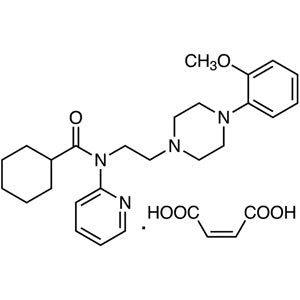
WAY-100635Maleate TCI W0016
Regular price From Rp 5.300.400,00Regular priceRp 3.722.250,00Sale price From Rp 5.300.400,00 -
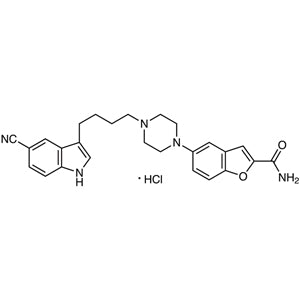
VilazodoneHydrochloride TCI V0149
Regular price From Rp 2.757.300,00Regular priceRp 1.943.550,00Sale price From Rp 2.757.300,00 -
VenlafaxineHydrochloride TCI V0110
Regular price From Rp 795.900,00Regular priceRp 572.250,00Sale price From Rp 795.900,00 -
TolazolineHydrochloride TCI T3791
Regular price Rp 1.696.800,00Regular priceRp 1.202.250,00Sale price Rp 1.696.800,00 -
TrospiumChloride TCI T3305
Regular price From Rp 2.994.600,00Regular priceRp 2.109.450,00Sale price From Rp 2.994.600,00 -
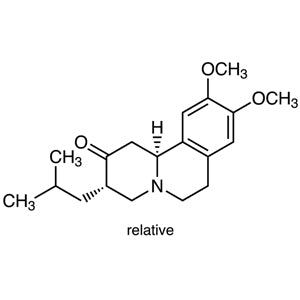
Tetrabenazine TCI T2839
Regular price From Rp 3.021.900,00Regular priceRp 2.128.350,00Sale price From Rp 3.021.900,00